Space and Physics




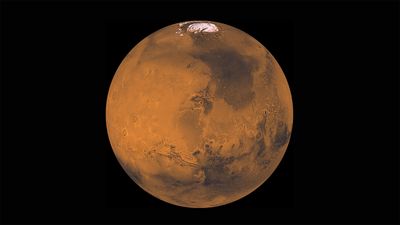


When we think of the robotic exploration of Mars, it’s undeniable that NASA has achieved great things. From the Viking missions to Sojourner, Spirit, and Opportunity. From InSight and the measurements of quakes to the beautiful pictures from the Mars Reconnaissance Orbiter, as well as discoveries made by MAVEN. And of course, Curiosity and Perseverance. Despite these successes, there have been setbacks too. NASA had a particularly bad three months at the end of 1999.
The missions were originally called Mars Surveyor ’98 Orbiter and Mars Surveyor ’98 Lander, and they were launched less than a month apart from each other between the end of 1998 and the beginning of 1999. This was to make use of a strategic launch window that happens every 26 months, where a launch from Earth to Mars has the most energy-efficient travel.
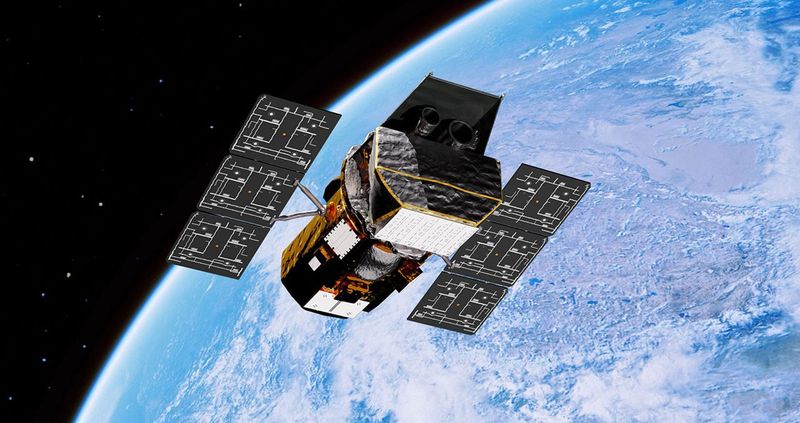
The orbiter was rechristened Mars Climate Orbiter. As the name suggests, it was supposed to study the climate of the Red Planet, its surface changes, and its atmosphere. The atmosphere was also key to the spacecraft's motion. The Orbiter was going to insert itself into orbit around Mars and use the upper atmosphere to gradually brake over the course of weeks. The plan was to get the spacecraft to about 226 kilometers (140 miles) from the ground.
Eight days before the planned orbital insertion on September 23, the spacecraft conducted a trajectory correction maneuver. A discrepancy between the ground software and the onboard software sent the spacecraft too close to Mars, and it entered the Red Planet’s atmosphere at 57 kilometers (35 miles) from the surface. At the speed Mars Climate Orbiter was moving, even the tenuous atmosphere of Mars at that altitude was enough to rip the spacecraft apart.
The discrepancy was a problem of units. NASA uses the International System of Units, AKA the metric system. The Mars Climate Orbiter expected all the numbers being fed to its software to be in metric. A piece of ground software supplied by military and aerospace corporation Lockheed Martin produced a value for the impulse delivered by the thrusters in pound-force seconds, instead of newton-seconds. The discrepancy, of a factor of 4.45, led to the wrong trajectory.
On December 3, just over two months after the Mars Climate Orbiter mishap, tragedy struck again. The Mars Polar Lander, the new name for the second mission, failed during its descent phase. What actually happened is unclear. A likely hypothesis is that the engine cut off prematurely, about 40 meters from the ground. This might have been due to vibrations that had convinced the onboard software to deploy the stowed legs.
The remains of this lander have never been found.