


 Nature
 PUBLISHED


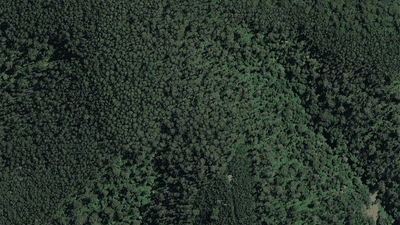


Researchers have continued a "long-forgotten" forestry experiment in Victoria, Australia, that first started way back in the late 1980s. It is now providing a fascinating insight into forest management.
If there's one thing humans love more than a forest, it's cutting down a forest and turning it into something else. In the 1980s, the Australian government began looking into alternatives to clear felling, in which all or most mature trees in a specific area of forest are cut down in one go.
To be fair, clear felling is not just done for resources, but can also be done for disease control or other forest management purposes.
Yet it wasn't obvious the impact that clear-felling had on a forest in the long-run. Whether you are a conservationist hoping to help a forest recover from a disease, a lumber company wanting your product to regrow, or a crazed lumberjack who "just likes chopping things", most people want the felled area to recover as best as it can.
Conservationists argued that clear-felling was terrible for rare species that would lose their entire habitat. But the full impact of the practice, and potential alternatives, had not yet been explored.
In the late 1980s, the Australian government put $26 million towards looking into some potential alternatives at Tanjil Bren in Victoria’s Central Highlands and Cabbage Tree Creek in East Gippsland.
The Silvicultural Systems Project took areas of forest and conducted traditional fells, fells of a smaller area, and "heavy thinnings" where 50-70 percent of the trees were cut down within an area. They then monitored the changes in the forest, compared each area to untouched control patches of woodland.
This was a long-term project, and it wasn't until the early 2000s that we started to see the results of those experiments. At first, they looked pretty clear-cut (heh), with mountain ash regenerating better on sites that had been clear-felled. But that wasn't the end of the story.
A return visit
While the experiment was largely forgotten about and the access roads to the area grew over, the trees continued their treeing. When researchers visited the site as part of a project in 2014, they found quite a few other points of interest.
"What we found was astounding," the team explained in a piece for The Conversation. Though the results of the original studies largely held up, with felled areas now having more growth, the team noticed big changes in the areas which had been heavily thinned.
"The trees left behind after thinning were enormous. While they were only 80 years old, the largest averaged well over a metre in diameter at chest height, and some were more than 1.5m. Thinning had given these trees more space and resources to grow, and they had responded dramatically," the team explained.
"More remarkable still: the thinned stands of trees had stored as much or more carbon in their wood than the unharvested control areas. In just 30 years, the heavily thinned forest had not only recovered all the carbon removed during harvesting, but had also gained enough additional carbon to equal the increase seen in the unharvested controls."
There are a few other benefits to this, if carbon storage isn't quite sexy enough for you.
Unintended environmental benefits
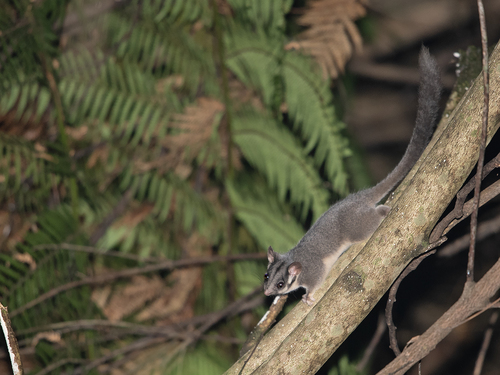
One was that these older trees serve a few good functions, being more likely to survive forest fires and providing a home for the rare Leadbeater’s possum.
Placing camera traps at the site of the experiment, the team found the possums only in areas which had been heavily thinned, and not in areas which had been left unharvested. It is important to note that while, yes the possums are endangered, they are still only a single species that calls these forests home.
While this is of course useful, this is not a case of "so we should just switch to thinning then", with the team stressing all types of land management have their place, and there are times when thinning would be inappropriate.
"The long-forgotten experiment at Tanjil Bren has taught us that there are options available for managing our forests beyond clearfelling that can contribute to the societal demand for wood, maintain carbon stocks, and conserve biodiversity," they write, adding that there may be other forgotten experiments out there which could do with a revisit.
The study is published in Forest Science.



 1
1