Health and Medicine
 PUBLISHED


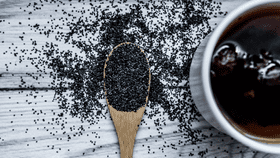


High tea took on a new meaning in a recent case study from the Medical Journal of Australia, which describes the curious case of a man who developed a poppy seed tea habit. These little black seeds which sit so innocently on bagels get a little bit spicier when soaked in water, as morphine and other opiates are released. Drinking such a brew can therefore bring on all the symptoms of opiates, including those triggered by withdrawal.
The report was delivered by doctors from the Turning Point addiction clinic in Melbourne, Australia, where opioid abuse is a prevalent public health issue. In the paper, they discuss the case of a 34-year-old man who presented with opioid use disorder.
“He described a 10-year history of opioid use disorder, initially heroin, then episodic use of non-prescribed pharmaceutical opioids (oxycodone and codeine),” wrote the study authors.
“For the past five years, he reported sole use of poppy seed tea. He transferred from pharmaceutical opioids owing to the legal status, ease of access, and low cost of poppy seed tea. He spent $10–15 on 1–2 kilograms [2.2–4.4 pounds] of poppy seeds, which he brewed into a tea and mixed with 1.5 L of fluid each day (usually citrus juice).”
Having switched his drug of choice from those of a pharmaceutical origin to a more homemade approach, the man found himself suffering from long-lasting and severe withdrawal symptoms. They usually kicked in around 24 hours after drinking some poppy seed tea and could last up to three weeks, including unpleasant side effects such as nausea, vomiting, and muscle aches.
To help him kick the tea, the doctors prescribed a subcutaneous injection of buprenorphine – an opioid used to treat opioid use disorder. A month into treatment, his cravings had been silenced and he reported no adverse side effects or related complications from the treatment.
“I don’t have any reminders of dosing,” said the patient in a statement. “Not having to go to the pharmacy has been great, the stigma of being in the pharmacy and getting the dose, that’s gone.”
Despite its potential to have a considerable influence on a person’s mental state, and bring with it debilitating withdrawal symptoms, the kind of poppy seeds needed to brew a powerful tea are very accessible. As such, the authors of this paper want to bring the “dangers of dependence and related harms” to the forefront, which they say “can be underestimated”.
“Routine screening for use of poppy seeds in treatment settings may help provide clinicians with a more accurate picture of opioid use and treatment need,” they concluded.