Nature
 PUBLISHED
 14
14


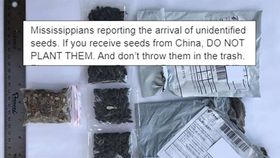


In an already packed weird year, you may have missed that people around the US, and indeed the world, have been receiving packs of mystery seeds.
The seeds, which appear to have been sent from China, prompted warnings from at least 27 states along the lines of "do not plant the mystery seeds," sometimes all in caps for a bit of extra "What are these, triffids?" intrigue.
The warnings were designed, not to protect you from man-eating triffids (though it's always best to be on the safe side), but because pathogens, contaminates, or insects could be hidden within the packaging, or the seeds themselves could belong to invasive species. The US Department of Agriculture (USDA) urged anyone who receives a mysterious unsolicited bag of seeds to contact their state regulator and hold onto the package until they are given further instructions.
After further investigation by the USDA, we now know what the mystery seeds are. Brace yourselves for a lack of resolution, because it does nothing to illuminate the motive of the sender.
"We have identified 14 different species of seeds, including mustard, cabbage, morning glory, and some herbs like mint, sage, rosemary, lavender, then other seeds like hibiscus and roses," Osama El-Lissy from the Plant Protection program of USDA's Animal and Plant Health Inspection Service said in a radio interview. "This is just a subset of the samples we've collected so far."
So far, so innocuous. Who doesn't like to be sent a lovely bit of mint? So what's in it for the senders?
"At this time, we don’t have any evidence indicating this is something other than a 'brushing scam' where people receive unsolicited items from a seller who then posts false customer reviews to boost sales," the USDA said in a statement.
Essentially, people send out the packages to random people and then review the product under a false name on sites like Amazon. This then boosts their seller rating, and their actual products (probably not seeds) start showing up in more people's search results while they shop.
In the meantime, the USDA is still collecting samples to try and determine if they contain anything that could be "of concern to US agriculture or the environment". It urges anyone who receives a mysterious unsolicited bag of seeds to contact their state regulator and hold onto the package until they are given further instructions.