Nature
 PUBLISHED




The largest study of “jumping genes” ever conducted has found genes frequently move between distantly related species, and this inheritance probably played a large role in mammals' evolution. Technically known as transposable elements, these genes have been found to move not only among animals, but between plants and animals. Be nice to trees, you've more in common than you might think.
Transposable elements are segments of DNA that can insert themselves in different locations in the genome. They often do this multiple times, so that the same stretch of DNA code can appear in multiple places. Once a jumping gene gets into the germline it becomes an ongoing part of a species.
Dr Atma Ivancevic of the University of Adelaide is the lead author of a record-breaking study of the jumping genes L1 and BovB in 759 species of plants, animals, and fungi. She found the genes were much more widespread than anticipated. However, their absence from some species allowed Ivancevic to prove the genes reached the genomes of many animals through “horizontal transfer”, rather than by being inherited from a common ancestor as previously thought.
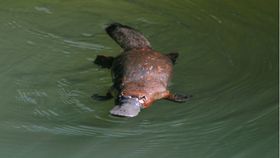
For example, L1, which appears to cause some cancers and neurological diseases, is absent from the platypus and echidna, demonstrating the gene wasn't present in the first mammals. On the other hand, forms of L1 turn up in everything from plants to amphibians, indicating it could not have spontaneously appeared among mammals after the monotremes separated from marsupials and placental mammals.

“We don't really know where the L1 gene comes from originally. We thought it might be frogs, but can't confirm. We do know the versions in reptiles and plants look a lot older than those in mammals,” Ivancevic told IFLScience.
Exactly how L1 moves between species is unclear, although Ivancevic thinks there are multiple pathways. She notes that bats, which carry and transmit a lot of viruses to other species have DNA riddled with jumping genes, including both L1 and BovB.
In other cases, insects are likely vectors. In Genome Biology Ivancevic pointed to ticks as the probable culprits in transferring BovB genes between species. She told IFLScience sometimes vector species pass DNA on without incorporating it in their own genome, while other vectors can have DNA filled with these jumping genes.
Transposable elements aren't some rare curiosity; they take up a quarter of the genome of cows and sheep.
Ivancevic explained L1 causes instability in genome regulatory structures, and its presence may help explain the different rates of species formation between monotremes and other mammals.
"We think the entry of L1s into the mammalian genome was a key driver of the rapid evolution of mammals over the past 100 million years," said senior author Professor David Adelson in a statement.
If this video doesn't play, try here.