Culture and Society
 PUBLISHED


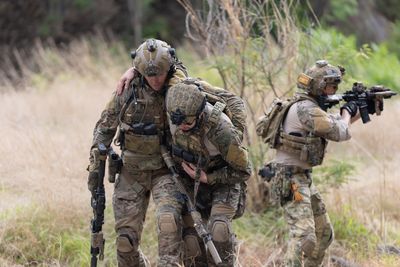


US Secretary of War Pete Hegseth's order of annual testosterone tests for all military personnel aged 30 and over is likely to produce results he won’t like, forcing the US military into some very unfortunate choices. An analysis of previously collected results from participants in a study on military health suggests that around a quarter of male army personnel may “fail” depending on where the bar for low testosterone is set.
Testosterone’s association with masculinity, aggression, and strength is so entrenched in the public mind that those pointing out that that the scientific evidence is much more complex struggle to be heard. Certainly, the current US administration appears convinced that hormones are the key to reestablishing US military dominance.
Any good general wants to know what’s coming before it happens. So Dr Claire E. Berryman of Purdue University and colleagues analyzed existing data from a random sample of soldiers at five Army installations, collected for the Military Health and Nutrition Examination Study (MHNES).
Hegseth has not elaborated on how low testosterone needs to be for him to consider it insufficient, but the researchers note there are two widely used thresholds for non-obese men: 300 nanograms per deciliter (ng/dL) and 264 ng/dL. Individuals below those markers, depending on which is being used, are considered to have low testosterone.
Among 479 male participants in the MHNES, conducted in the last two years, 25.7 percent fell below the 300 ng/dL line, Berryman and co-authors report. Naturally, the lower threshold would trip up a smaller number of soldiers: 14.7 percent, according to this study.
If the sample is representative of male Army personnel in general, it suggests that just over 100,000 fall below the 300 ng/dL threshold, and 57,788 men are under 264 ng/dL.
“Understanding the prevalence of low testosterone measurements in military personnel is important as screening practices evolve,” said Berryman in a statement. “These findings help quantify how many service members may require follow-up testing and clinical evaluation after an initial screening.”
Since stress, illness, and even time of day can affect testosterone levels, clinical guidelines recommend follow-up testing before diagnosing the condition hypogonadism, let alone any intervention. “This distinction is particularly important when interpreting population-level screening estimates,” the researchers note.
Although the compulsory testing is only for those over 30, at least initially, male testosterone levels tend to fall with age. Consequently, this cohort covers most of those below the threshold. The average age of those in the study was 29.9, with 19.5 percent of those aged under 30 recording levels below 300 ng/dL, which rose to 32.8 percent after 30.
Low testosterone can be linked to fatigue and muscle loss, but so can plenty of other things, and many men have naturally low testosterone without suffering any obvious ill-effects. Experts have noted there’s little evidence that those who have low testosterone without any observed symptoms are less fit for physical combat, let alone likely to make poorer judgements.
Forewarned may be forearmed, but it’s not clear what Hegseth will do with the information besides offering pseudo-voluntary testosterone supplements.
Firing all of those seen to “fail” will cripple US military capacity. Forcing them to take testosterone supplements could lead to a blizzard of lawsuits, particularly if those required to take the supplements start experiencing potential suspected side effects such as increased risk of pulmonary embolism and aggressive prostate cancer.
Yet quietly binning the results and pretending the whole thing never happened won’t look good either, particularly given the testing is likely to be very expensive.
The US military is already feeling the consequences of President Trump’s ban on all transgender military personnel, irrespective of their quality of service or the replaceability of their skills. Recruitment (for the Navy at least) may also become harder, given reports of conditions for those sent to the Gulf of Hormuz, so finding high-T replacements for anyone dismissed will not be easy.
Meanwhile, the reported firing of most women and non-white officers from the most senior levels of the US military has sent a message about potential promotions to many who might have considered enlisting.
Women and participants in the MHNES taking testosterone supplements were excluded from this analysis.
The study is published in JAMA.