Health and Medicine
 PUBLISHED




A British man has died due to frontotemporal dementia at just 24 years of age. When he was diagnosed after symptoms began in 2022, he was thought to be the youngest person in the country living with dementia. His legacy will help guide efforts to improve detection and treatment of these diseases for generations to come, after his family donated his brain to science.
Andre Yarham, from Norfolk, England, began exhibiting changes in behavior towards the end of 2022. His mother, Sam Fairburn, explained to Newsweek that she had also begun to notice his increasing forgetfulness.
“Around the same time, he began forgetting things. He would say he was going to the shop which is walking distance, and an hour later he would be in the city with no idea how to get home.”
Yarham underwent brain imaging and an eventual diagnosis was made: frontotemporal dementia. Also known as Pick’s disease, it’s the same type of dementia that Bruce Willis has. But while the Hollywood star was diagnosed in his late 60s, Yarham was just 22.
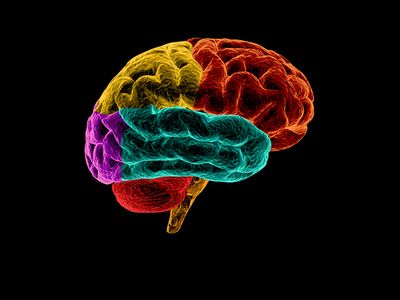
The most common form of the disease is called behavioral variant frontotemporal dementia (bvFTD), which normally shows up first as significant changes in personality and behavior. The brain’s frontal lobes are damaged, which are the key areas that control things like impulse control and planning. The temporal lobes are also affected, causing difficulties understanding and using language.
Unlike with Alzheimer’s disease, memory loss tends to appear later.
Yarham’s disease unfortunately progressed quickly. Brain scans showed catastrophic neuronal loss within a short period of time. “[I]n aggressive forms of dementia, whole brain networks collapse at once,” explained PhD student Rahul Sidhu in a piece for The Conversation. Fairburn explained to BBC News that her son had soon required assistance with all aspects of his personal care and had lost the ability to speak towards the end of his life.
There is no cure for any form of dementia at present, and very few treatment options with only limited effects. To help science’s continuing quest to better understand these diseases, Yarham’s family has taken the decision to donate his brain to medical research.
It’s a hugely valuable gift, especially as Yarham’s is such an unusual case. Human brain tissue is a vital tool for researchers exploring how different forms of dementia damage the brain and how we might be able to slow or reverse these processes.
Young-onset dementia does occur, but it remains very rare. In 2023, a 19-year-old from China became the youngest patient in the world to be diagnosed with probable Alzheimer’s disease – this was particularly unusual as there was no family history of the disease, and young-onset cases are often associated with genetic mutations.
There are also at least 70 known genetic conditions that cause childhood dementia. While the underlying cause in these cases is different from adult dementias like Alzheimer's, the symptoms are similar: progressive memory loss, and learning and communication difficulties. The vast majority of these disorders have no known treatments and most of these children will only live into adolescence or early adulthood.
Frontotemporal dementia is most frequently diagnosed in people aged 45-65, and even young-onset cases usually arise after the age of 30, so Yarham’s case is exceptional.
“As a neuroscientist, I have been asked how something like this can happen to someone so young,” writes Sidhu. “The honest answer is that we are only beginning to understand the biology that makes some brains vulnerable from the very start.”
“Cases like this underline why sustained investment in brain research, and the generosity of people willing to donate tissue, matters so deeply.”



 1
1