


 Space and Physics
 PUBLISHED



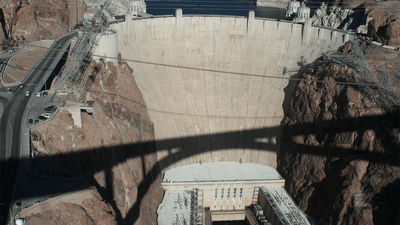


Hoover Dam is an impressive structure. Built between 1931 and 1936, the 221 meter (726 feet) construction is a gravity dam, relying on its own enormous weight and the width of its solid concrete base to withstand the weight of the water stored behind it.
It's a vital construction, providing a maximum of 2,080 megawatts to California, Nevada, and Arizona. And as diligent social media users have shown, it has another trick. One unusual design quirk means that, on certain days, it is difficult to pour any of your own water into the hydroelectric effort. Try as you might, in the right conditions you will only end up pouring a cloud of water on your own surprised face.
So, what causes this seemingly gravity-defying effect? Did the gravity dam get turned off? Well, as anybody who has watched the above video can probably guess, part of the answer is wind.
"We can get some pretty high winds in the area," Doug Hendrix, a spokesman for the Bureau of Reclamation, which manages the dam, explained to Maverick Helicopter tours. "The canyon often acts as a funnel."
Thankfully, it is a little more interesting than that. On especially windy days, speeds through Black Canyon can top 80 kilometers per hour (50 miles per hour). As the wind heads towards the wall, it has nowhere to go but up. Known as "ridge lift", this phenomenon is used by hang gliders and other motorless gliders to gain altitude.
"Ridge lift, also called slope lift, is dependent upon wind," the Soaring Society of America explains. "When the wind blows against a mountain, hill, cliff, or ridge line, the air flow is deflected upward and depending on the strength of the wind can rise hundreds of feet above the top of the ridge."
At Hoover Dam, the updraft rises quickly, aided by the cooler air above, a result of the sheer volume of water stored in the dam. When full, it can store up to 9.2 trillion gallons of the good stuff. While it's a neat trick telling tourists to pour water over the edge, and then watching them get splashed, it only works on days when the wind is strong enough.
On calmer days, all you are doing is pouring a tiny amount of water off a dam designed to deal with trillions of gallons of it. Which is fine, but doesn't look so great on TikTok.



 1
1