Nature
 PUBLISHED




US officials have confirmed a case of New World screwworm in a calf in Texas, marking the first detection of the flesh-eating parasite in the country since it was eradicated back in the 1960s.
What is New World screwworm?
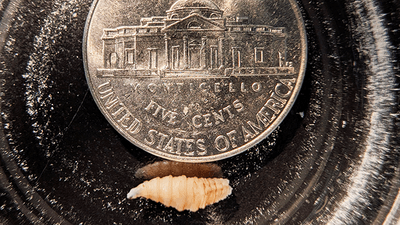
New World screwworms (NWS) are the larvae of the New World screwworm fly (Cochliomyia hominivorax), a housefly-sized blowfly that lays its eggs in the orifices or open wounds of living, warm-blooded animals.
After the larvae hatch, they need to eat – and unlike lots of parasitic flies, they’ve got a taste for healthy tissue, so the flesh that surrounds them makes the perfect food source. Using a set of sharp mouth hooks, they begin to burrow and feed their way deeper into the wound or opening in a manner that’s a bit like a screw being driven into wood, giving them their “screwworm” name.
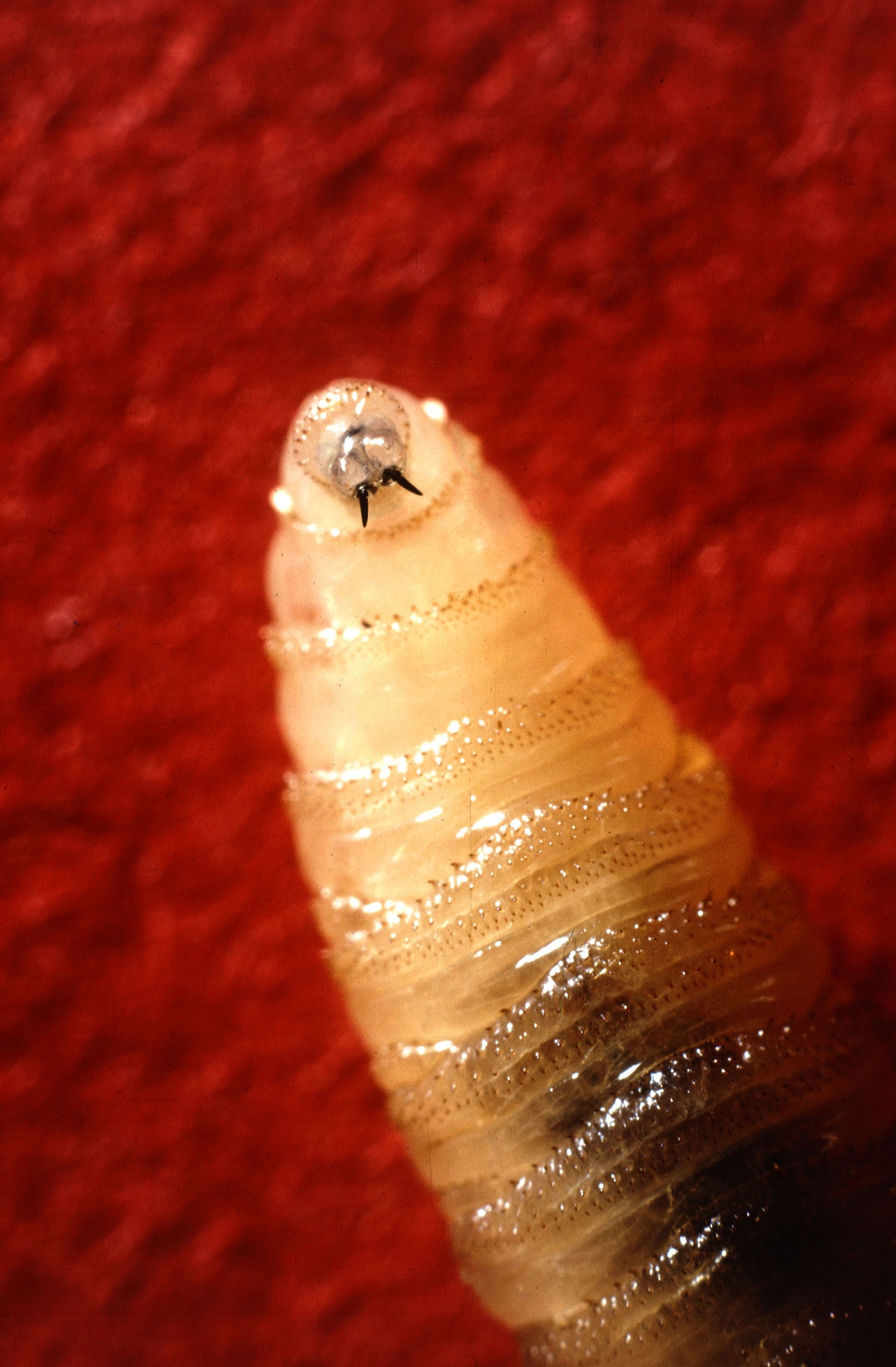
From there, the situation can quickly spiral; not only can the initial burrowing cause wounds to become larger and deeper, but this in turn can attract even more flies to come and lay their eggs, creating a vicious cycle that causes serious and potentially even deadly damage to the infested animal. On top of that, a big ol’ open wound ups the chances of bacterial infections, which can cause even more damage.
From eradication to outbreaks
We can all agree that that’s some pretty gnarly stuff, so it’s not surprising that historically, authorities have been more than keen to get rid of NWS.
In the US, a significant push to do so began in 1957 with the launch of a sterile dispersal program – the release of sterile male NWS flies into the wild. Though they could still get it on with wild females, no offspring – and thus pesky flesh-eating larvae – could be produced.
This led to a gradual reduction in NWS fly numbers and by 1966, they’d been declared eradicated from the country, with Mexico following suit in the 1970s and Central America in the 2000s. There was an outbreak in Florida in 2016, but it was quickly squashed.
Unfortunately, that wouldn’t be the end of the story. In 2023, NWS outbreaks popped up in Panama and Costa Rica – and the parasite has been edging further and further north ever since.
US officials had attempted a multi-pronged approach to try and stop NWS from reaching the country. Last year, amid the USA’s first human case of travel-associated NWS and numerous animal cases close to the border with Mexico, came announcements of new sterile fly production and dispersal facilities, as well efforts to expedite the approval of drugs to prevent or treat NWS infestations in animals.
This has prevented the parasite from entering the US up until this point, according to Under Secretary for Marketing and Regulatory Programs, Dudley Hoskins.
“All models showed New World Screwworm entering the country in 2025; however, thanks to the hard work across the entire Trump administration and our industry, state, and local partners, we were able to buy time for this moment,” said Hoskins in a statement made on June 3 confirming the first US case of NWS in 60 years.
“USDA invested heavily in the tools needed to eliminate NWS ever since cases started increasing in Central America and Mexico.”
Not everyone agrees. “For months, the screwworm has advanced rapidly through Mexico in spite of the USDA’s existing game plan,” said Texas Agriculture Commissioner Sid Miller, per NBC News. “Instead of using every available tool, USDA moved too slowly and relied solely on a partial solution that takes years to fully implement.”
There were also significant cuts related to NWS; last year, the reportedly defunct Department of Government Efficiency axed a program set up to monitor and contain NWS in Central America.
Just over a year later, NWS has now officially made it onto US soil. In the statement, the US Department of Agriculture’s (USDA) Animal and Plant Health Inspection Service (APHIS) said that the case involved a 3-week-old bovine calf in Zavala County, Texas, which was found to have NWS larvae in its umbilical area. It also confirmed that there have been no further detections as of June 3.
Should we be worried?
When people see “flesh-eating” in headlines about NWS, it’s perhaps no surprise that they end up concerned about that including human flesh – but while the parasite is capable of infecting humans, this is considered to be rare.
According to the Centers for Disease Control and Prevention (CDC), “the risk of infestation in people remains low,” localized to places where NWS flies are present.
Where that’s the case, the agency recommends protecting yourself by keeping open wounds clean and covered, limiting exposed skin by wearing loose-fitting long clothing, using insect repellent, sleeping indoors, and treating clothing and gear with products containing 0.5 percent permethrin (a type of insecticide). If you do notice any larvae, it’s best to seek immediate medical attention.
The main concern in the eyes of many, however, is the potential impact of NWS on the livestock industry and food security, with costs passed on to consumers. The USDA reported last year that “NWS threatens over $100 billion in United States economic activity tied to the cattle and livestock industry alone.”
Still, authorities appear to remain confident that the situation can be tackled.
In the statement confirming the new case, the USDA announced a series of actions to contain and once again eradicate NWS, including a 20-kilometer (12-mile) “infested zone” around where the detection was made, which will see quarantines, surveillance, and movement controls implemented. There are also plans to speed up the release of sterile NWS flies, as well as increase trapping of wild NWS flies.
“Protecting our livestock industry is a national security issue of the utmost importance, and USDA is wasting no time in taking action,” said Hoskins. “The United States has defeated this pest before, and we will do it again.”
The content of this article is not intended to be a substitute for professional medical advice, diagnosis, or treatment. Always seek the advice of qualified health providers with questions you may have regarding medical conditions.