


 Health and Medicine
 PUBLISHED


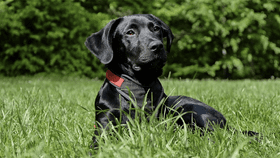


Dogs are not only man’s best friends anymore, they are humanity's great lab partners too. Next week, two Labradors and a Cocker Spaniel will begin sniffing the smell of 700 people to hone in on the molecules people release before developing Parkinson’s disease.
The canine-human team is a partnership between Manchester University and the research charity Medical Detection Dogs. The three pooches will sniff odor samples and the researchers will use a mass spectrometer to identify the molecules that determine the “smell of Parkinson’s”. Each molecule will also be given to the dogs to smell until the team can find the culprits.
A connection between a particular odor and the neurodegenerative disease was established a few years ago thanks to Joy Milne, a Scottish woman that possess an incredibly keen sense of smell. She noticed a change in her late husband's scent six years before he developed any symptom of the disease.
Her skills were tested in the lab, where she was given used shirts from six people with the disease and six people in the control group. She stated that seven of those 12 individuals had the specific “musky smell” and she was spot on, as a member of the control group was eight months later diagnosed with Parkinson’s.
Currently, researchers don’t know what odor molecules are responsible for the particular smell Milne is able to detect. Skin secretions are made of over 9,000 different molecules, so it’s difficult to pinpoint the specific one. That is where the dogs come in.
Medical Detection Dogs have been used in cancer studies for over a decade and there’s mounting literature supporting the ability of canines to diagnose some diseases. Around 30 percent of a dog’s brain is dedicated to analyzing smells, which makes it 40 times larger than the same area in humans.
Dogs have 300 million olfactory receptors in their noses, compared to the mere 5 million we humans have. They are incredible sniffers, detecting some odors that are just 1-2 parts per trillion.
Finding an easy-to-detect method for spotting Parkinson’s will hopefully help make diagnoses faster and more accurate. There is still no cure for Parkinson’s, but beginning treatment as soon as possible can help alleviate symptoms.
[H/T: The Times]


 9
9