Nature
 PUBLISHED



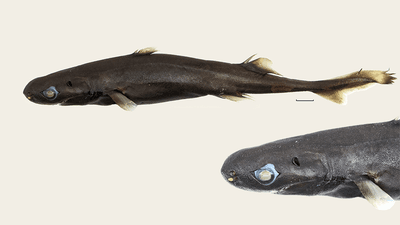


Deep in the waters of Mauritius in the southwest Indian Ocean lives a newly discovered species of lanternshark.
These fish are mysterious, living cryptic lives with very little known about their ecology. For instance, why does this new species have a particularly large nose?
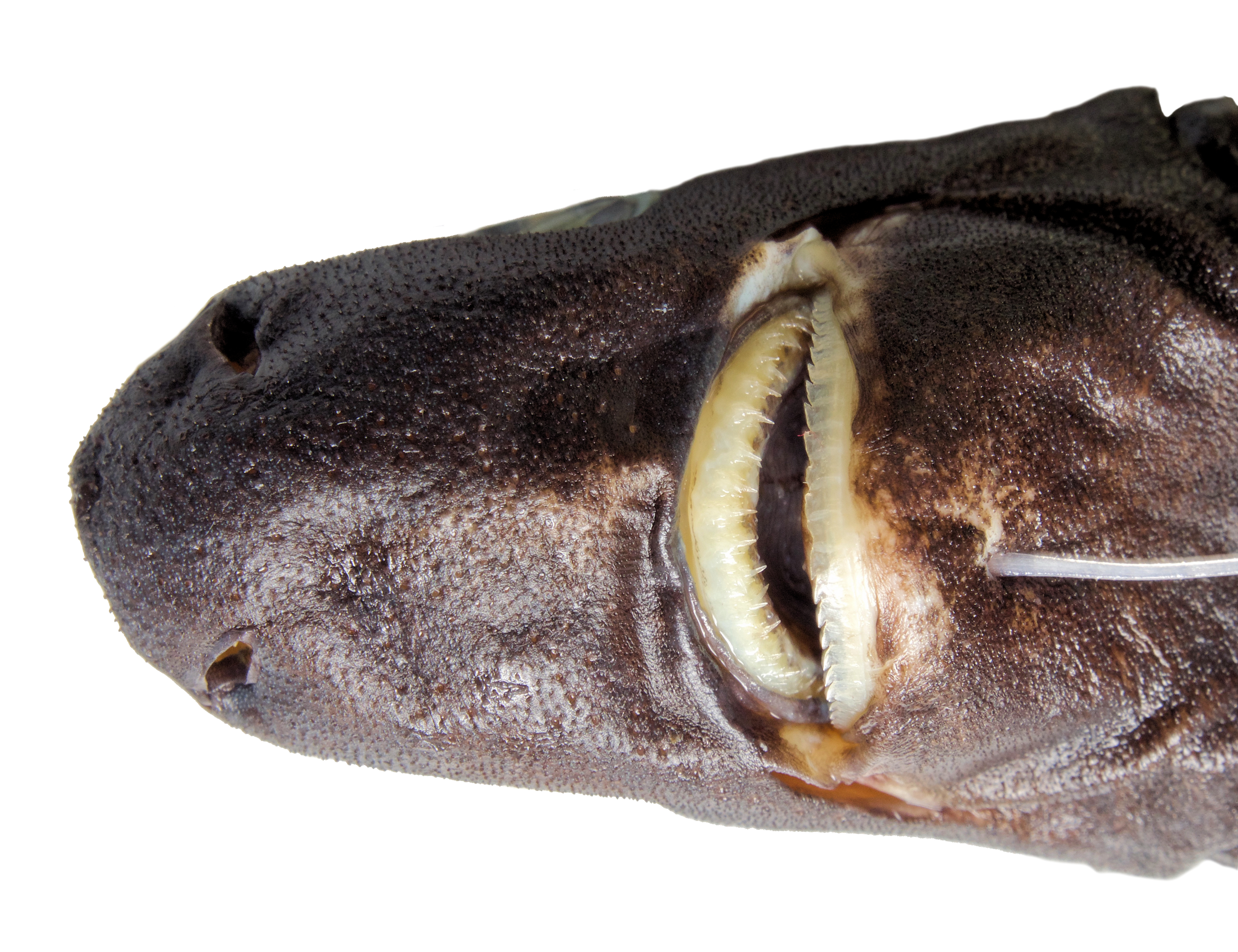
The new species has been named Etmopterus bulbosus thanks to what the researchers are calling its “large bulbous snout”. The species is only known from a single specimen that was found between 400 and 500 meters (1,312 and 1,640 feet) deep and brought up from a trawl.
The Etmopterus genus is pretty specious with 43 known species, organized into clades of closely related individuals with similar morphological features.
This new species has been assigned to the E. pusillus clade, while the authors note its resemblance to another species called E. sentosus due to an enlarged patch of dermal denticles.
The female specimen measures just 21.5 centimeters (8. 4 inches) from that bulbous nose to tail tip, and has been given the common name of the big-nosed lanternshark. It has a distinctive slightly purple hue to its body, which is otherwise brown and black.
Currently the International Union for the Conservation of Nature has assessed 40 of the 43 species for conservation status, with 36 listed as Least Concern, 3 as Data Deficient, and 1 as Vulnerable. Given that most of the species live below the depth at which bottom trawling occurs this helps protect the lanternsharks from the effects of fisheries.
Late last year another species of new laternshark was discovered on an expedition off the coast of west Australia.
"Lanternsharks are an amazing group of sharks, and this new species was found at depths to 610 metres [2,000 feet] during biodiversity surveys for Parks Australia in the Gascoyne Marine Park area off Western Australia," said Dr Will White, an ichthyologist from the CSIRO Australian National Fish Collection and study co-author, of the Australian species in a statement at the time.
While the world’s smallest shark is a dwarf lanternshark that reaches a maximum of 21.2 centimeters (8.3 inches) in length when fully grown and sits perfectly in the palm of your hand, this new could be a contender.
Lots of the Etmopterus have also been reported to glow, a trait made possible by specialized skin cells called photophores. Its thought the glow could be used to attract prey species or even to warn off predators.
The paper is published in the Journal of the Ocean Science Foundation.


 1
1