Nature
 PUBLISHED



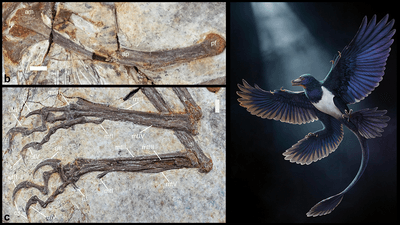


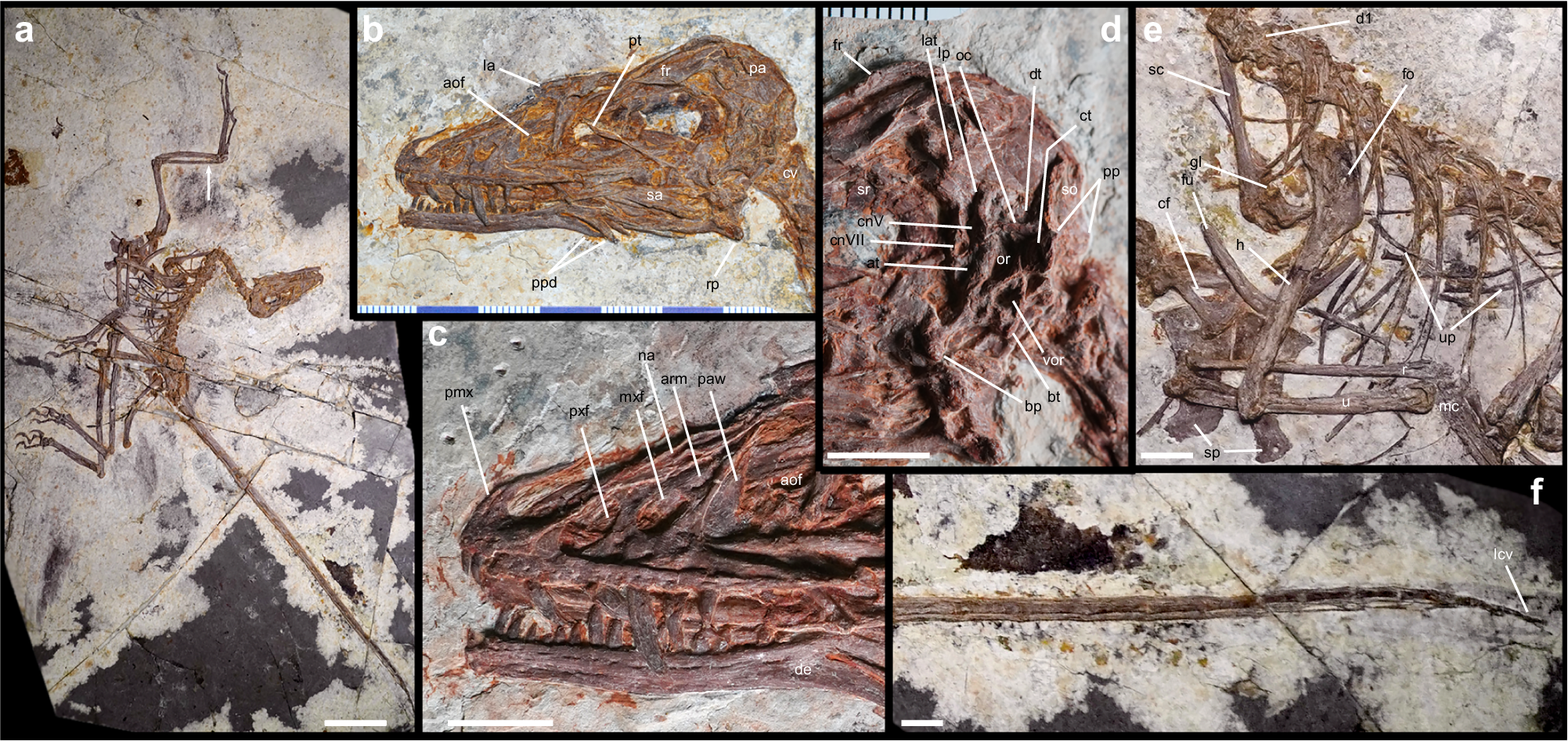
A new species of dinosaur has been described in northeastern China. This tiny feathered friend is a kind of microraptorine, a group of small predators closely related to birds. The specimen is amazingly well preserved, giving the researchers insights into how flight evolved in different dinosaur groups.
“The specimen was found at a local farmer near Lamadong Town (Jianchang County, western Liaoning, China), and donated to the museum of Hebei GEO University in 2023,” write the authors in the paper.
The new species is named Norellraptor barsboldi and is 57 centimeters (22. 44 inches) long. The size, coupled with how the skeleton was found, suggests this was an adult and it was 3 years old or older at the time of its death.
Microraptorines, which are cousins to the famous Velociraptor, raise interesting questions about how flight evolved. It is thought they could glide and perhaps even sustain short bursts of powered flight, and one camp holds they evolved this ability separately from the lineage leading to birds. This would mean the prerequisites for flight evolved twice in the Paraves (birds and their closest relatives).
The competing hypothesis is that some form of flight evolved right at the early beginnings of the Paraves and then was subsequently lost or improved on depending on the lineage.
By comparing the skeleton with those of its relatives, the team thinks this new fossil argues against a single origin of flight, as the flight-related features of microraptorines and birds appear to have evolved in a different order.
Also, in the living birds the team compared, there is a trade-off between the growth rates of the front limbs and the hind-limbs that results in the hind-limbs being usable first while the wings take longer to come to maturity.
However, by looking at the microscopic structure of the bones, it appears in microraptorines there is no difference, or in some cases the reverse is true. This hints that the forelimbs may have developed relatively early in life, which would be a distinct difference when compared with the birds we see today.
The authors stress this evidence is preliminary, and the key comparison relies on bones from just two different species.
Earlier this year another microraptorine specimen was found in China that is the largest found so far, roughly the size of a barn owl.
“You cannot understand life on the planet today without looking at its origins,” said Jingmai O’Connor, associate curator of fossil reptiles at the Field Museum in Chicago, in a statement at the time.
“Birds are arguably the most successful group of land-dwelling vertebrate animals on Earth today. Learning about early birds and their close non-bird dinosaur relatives gives us a better understanding of what made the group of birds that survived so special.”
The paper is published in Nature Communications.