Nature
 PUBLISHED




It’s fair to say that the Ancient Egyptians subscribed to a lot of ideas that seem strange in the modern era. There’s not an internet-friendly word count in the world that could cover all of them in one fell swoop, so today we’re focusing on mummified frogs.
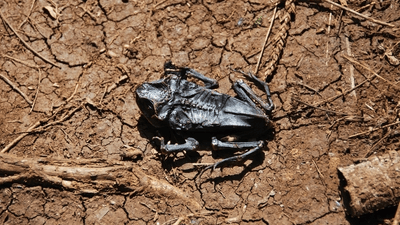
Mummified frogs have been found in the tombs of Thebes. Being famously wet animals in life, it’s not that unusual for frogs to be mummified without human intervention – all they need to do to get that way is to die in a warm, dry place. But Heqet? Well, that upped the appeal for dried-out amphibians.
Heqet (also Heqtit or Hekt) was the name given to a frog-headed goddess that was thought to represent fertility. It’s likely because the annual floods upon which Ancient Egypt’s delicate crop cycle depended would’ve been associated with the arrival of frogs. As rivers (Nile, Tigris, Euphrates) flushed with water, along too came the croaking amphibians. The life that water gave to the grains was credited to the frogs, and as a result, many gods and goddesses were depicted in their image.
Another frog god, Ptah, is thought to have been inspired by the transformative life cycle of frogs that grow from eggs into tadpoles, and later metamorphize into frogs. The frog-headed Ptah’s transformation centered around becoming the opener of the nether world, as the god of creation.
Frogs were cherished by living Ancient Egyptians who would wear them in the form of amulets, meant to bolster fertility. However, when the time came to pop one’s sandals, frogs followed people into the afterlife, too.
“[Frogs] were buried with the dead to protect and rejuvenate them,” wrote Dr Marzouk Al-sayed Aman. “Frogs were often mummified with the dead as magical amulets to ensure rebirth.”
A handy tombmate for anyone with their heart set on rebirth, but the mummified frogs would have looked rather strange next to some of the other mummified contents of Ancient Egyptian tombs. Earlier in 2023, archaeologists discovered “Ten crocodile mummies, including five more or less complete bodies and five heads[…] in varying states of preservation and completeness,” said the authors of the associated study in a statement.
Exactly why one might take crocodiles into the afterlife has been debated, but one theory is that dead Egyptians used the bodies as gifts to the crocodile gods, such as the reptile-headed Sobek, as a way of currying favor with these dangerous Nile-dwelling beasts. One of the mummified crocodiles measured 3.5 meters (11.5 feet) from snout to tail, which no dried-up frog can stand up to, but when it comes to watery rebirth? Heqet was an Ancient Egyptian’s best bet.