


 Health and Medicine
 PUBLISHED
 1
1


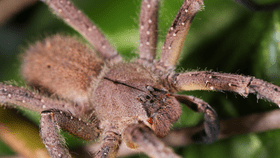


There’s a species of spider in Brazil whose dangerous bite can have a peculiar side effect. It induces priapism, otherwise known as abnormally long erections. Given the success of erectile dysfunction drugs, you can imagine just how much interest there is in harnessing the wandering spider's bizarre venom.
A new paper, published in the Journal of Sexual Medicine, details the effects of a synthetic version of the venom's active ingredient, known as PnPP-19, in animal models suffering from diabetes and high blood pressure. The researchers found that the compound was successful in creating erections in mice without causing any adverse side effects.
The venom had previously been shown to work in rats that suffered injuries to their cavernous nerves, which facilitate both penile and clitoral erections. The researchers determined that the venom induces relaxation of the sponge-like tissue in the sexual organs, leading to the increase in blood flow that causes an erection.
The latest study showed that the synthetic drug can be administered successfully and safely by injection or via a topical gel, although the gel has a low permeability, with only 10 percent of the applied dose penetrating the skin. The main finding is that the compound appears to be safe in cases of hypertension and diabetes in mice and rats, and can be applied topically. Meanwhile, a clinical trial that took place last year found a similar topical gel to be both safe and effective in human patients.
Researchers have known about the effects of the spider’s venom since the early 2000s. The spider is known as Phoneutria nigriventer, a species with a leg span of up to 13-15 centimeters (5.1-5.9 inches), quite the nightmare for arachnophobes. The neurotoxin in the venom causes loss of muscle control. It can lead to breathing problems, paralysis, and eventual asphyxiation. The erection caused by the bite is painful, lasts many hours, and can lead to impotence.
But despite the potential for complications, most people that get bitten by the spider aren't in serious danger. Only 2.3 percent of cases (mainly in children) require the use of antivenom. Still, the genus of spiders to which the species belongs was responsible for the death of two children in the 1960s.
The spiders tend to be found in Brazil, Uruguay, Paraguay, and Argentina. They prey on insects, frogs, and lizards. There are eight known species belonging to the Phoneutria genus, a name derived from the word "phónos", which means “murder” in ancient Greek.
[H/T: The Independent]


