Nature
 PUBLISHED



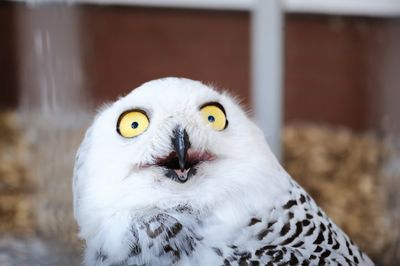


A new study has found that masturbation among birds (that's the birds doing the masturbating, not what would happen if a human were to practice self-loving in a park) is natural and healthy. The result flies in the face of the prevailing assumption that such behavior is a harmful response to captivity and stress that should be punished.
Self-love, also known as autosexual behavior, is pretty common in the animal kingdom, especially among mammals. It has been observed in species such as primates, marine mammals (dolphins and walruses), elephants, horses, squirrels, and dogs, among others. Tortoises and marine iguanas are also known to enjoy some “personal” attention when the mood takes them.
However, despite being a widespread behavior, masturbation represents a bit of a Darwinian puzzle. Viewed purely through the lens of adaptive functions, it has never been clear why individuals should waste resources such as time, energy, or sperm on something that doesn’t seem to aid them.
As such, the ability to assess just how prevalent masturbation is across the animal kingdom and whether it does indeed have an adaptive function is important if we are to understand the behavior.
In particular, there has been little systematic research into masturbation's prevalence among birds. And here’s the rub: masturbation among birds has been observed before, but mostly in captivity. This has led researchers to view it as a stress response to an unnatural environment and therefore a damaging behavior requiring intervention. Such interventions have included dietary adjustments, the use of drugs, hormonal therapy, and even surgery.
A new study led by researchers at the University of Lancashire, UK, provides a first-of-its-kind analysis of masturbation among birds. Using data from the scientific literature as well as that given by bird keepers and breeders through surveys and online communities, the team collected data on 120 bird species across 22 major bird groups. These included both captive and wild animals.
“There has historically been a lack of research around masturbation in birds like parrots, despite how we’re frequently consulted on it as vets,” Ana Basto at the University of Lancashire said in a statement.
The researchers found the behavior is widespread among bird species and part of a broader repertoire of sexual behaviors they can exhibit. They also found that masturbation is more common in wild birds and those reared by their parents rather than those reared by humans.
And while males seem to masturbate more often than females – 55 percent of male records involved masturbation compared with 36 percent of female records – both sexes partook in some solo gratification. Age also wasn't a factor, with both juveniles and adults almost equally ruffling their own feathers (100 percent and 97 percent, respectively).
The research demonstrates that masturbation is an important evolutionary behavior and isn't a harmful response to captivity. This is significant because it impacts animal welfare while also potentially helping to improve the success of breeding programs and conservation efforts. In short, let those birds be.
“Despite assumptions that masturbation among captive birds like parrots is a result of their often-solitary living, our study finds that it is natural, healthy, and widespread across diverse bird species, even in different environments,” explained Chloe Heys at the University of Lancashire in a statement.
“Through enhancing our biological understanding of this unusual trait, our research can give owners, breeders and conservationists more clarity if birds in their care display this behaviour, by highlighting that veterinary interventions trying to stop masturbation may actually be causing more harm to birds. I hope that our research can trigger a shift in the current advice that vets give to bird owners and ultimately improve animal welfare.”
Basto said: “This research is pivotal and will be a step towards achieving a more holistic understanding of why and how birds behave the way they do. I hope the findings therefore enable vets to give more accurate advice to protect birds’ welfare which remains our key priority across the industry.”
The paper is published in Ecology and Evolution.