Health and Medicine
 PUBLISHED
 1
1

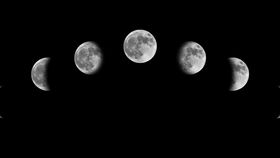


The power of the Moon may have more influence on people with certain mood disorders than previously thought, according to new research published in Translational Psychiatry.
(And before you even think it, no this has nothing to do with astrology, because astrology is still not a thing.)
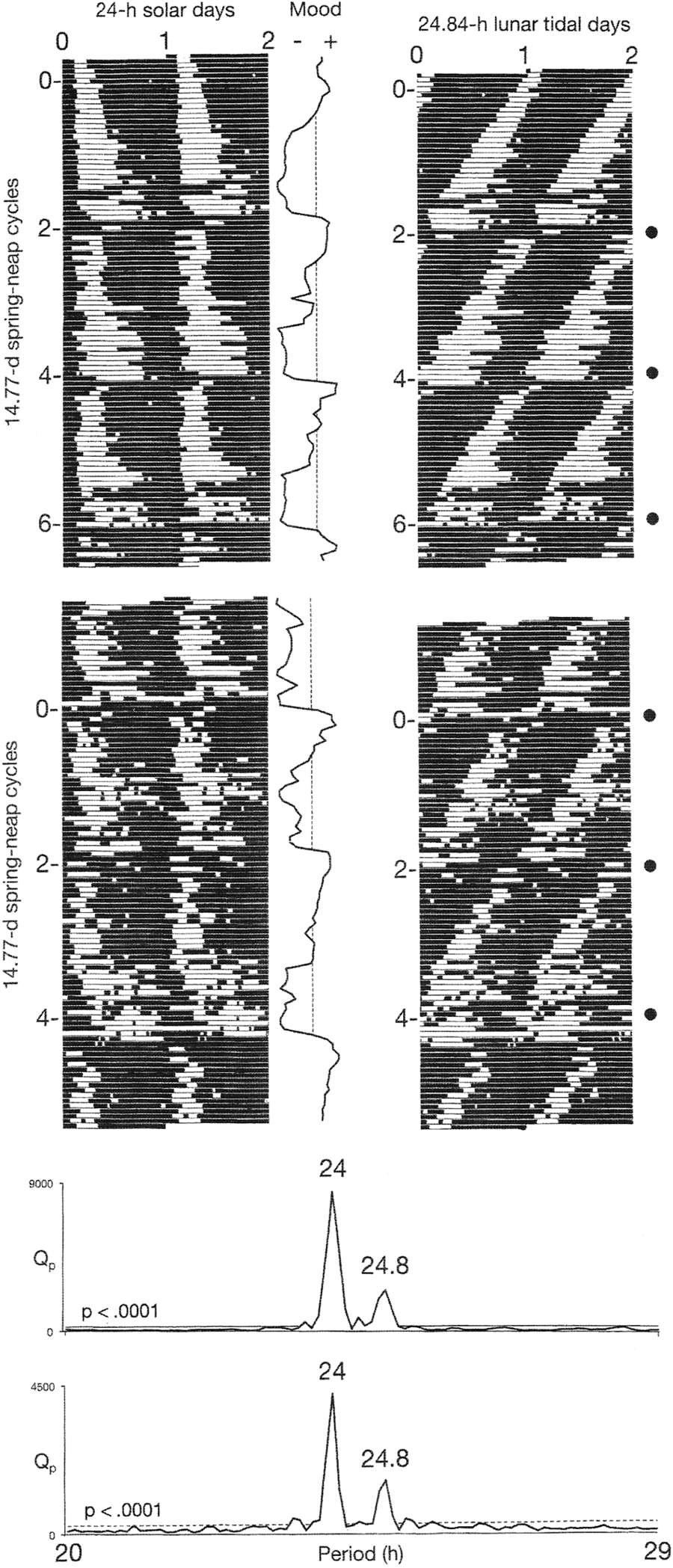
To uncover what these effects are, researchers took to the records of one 51-year-old man with rapid-cycling bipolar disorder, which is defined by experiencing four or more episodes of mania or depression in a year. He kept a record of his sleeping and mood cycles according to both a 24-hour solar day, which influenced the time he went to sleep and a 24.8-hour lunar day that influenced when he woke up.
Following the cycle of the Moon, every 29.5 days at the recurrence of the new Moon, when the tidal cycle is also the strongest, the man would shift from depression to mania. The findings suggest an external force that is driving the mood cycle and where this occurs in the brain, and offers an explanation for the “switch-like nature of transitions” between depression and mania. Together, these results support the theory that interference between two parts of the circadian system can generate mood cycles.
Pacemaker cells in our brains generate circadian rhythms that control our internal sleeping (E) and waking (M) clocks. As light changes throughout the year, these cells make adjustments, but in some cases, E and M can disassociate. This is called our circadian rhythm, or internal clock. In most people, it operates throughout the 24-hour solar day – when the sun goes up, the body’s metabolism responds, signaling for us to wake up. However, in this patient, his circadian rhythm rose and fell with the tides.
And in people with bipolar disorder, sleep issues aren’t just a symptom, but also a causal role. The cycles of manic (hyperactive) and depressive cycles both impacts a person’s sleep patterns, but could also cause symptoms in the first place.
In an unrelated study, researchers observed more than 91,000 people who found disruption to normal daily circadian rhythms was associated with a greater susceptibility to mood disorders like severe depression and bipolar disorder over the course of a lifetime. These interruptions were also associated with mood instability, loneliness, lower happiness and health satisfaction, and cognitive function. Other research has drawn connections between circadian rhythms and aggression in Alzheimer’s patients.
If something so simple as the lunar cycle can influence mood cycles, understanding more about it could help inform future research on treatment.
“The nature of the mechanism that makes it possible for an object as small as the human body to be affected by the minute changes in gravity that are associated with lunar tidal cycles is unclear and is a question for future research,” wrote the authors.