Health and Medicine
 PUBLISHED
 3
3


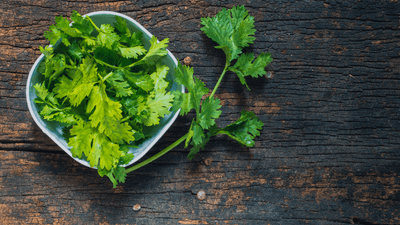


Do you love cilantro, or do you hate it? The common kitchen herb, also known as coriander, is a staple in parts of the globe – and yet some people think it tastes like soap.
Fresh cilantro is the leafy part of the Coriandrum sativum plant, which is entirely edible. As well as fresh leaves, its dried seeds have been used by humans since at least 5000 BCE.
It’s a popular ingredient because of its fragrant flavor that – ideally – tastes refreshing, tart, and just a little bit citrusy. However, for some unlucky people – between 4 and 14 percent of the US population – it tastes like soap.
According to a 2012 study, the hate for the herb is not equally spread across the globe. The regions of the world that use more cilantro in their dishes – South Asia, Latin America, and the Middle East – tend to have a smaller percentage (between 4 and 7 percent) of people that hate the herb compared to regions that use it less often, which can go beyond 20 percent.
The annual herb is so famously polarizing that researchers decided to investigate whether there was a genetic component behind why some people love cilantro while others hate it. To find out, they conducted a genome-wide study of 14,604 people who thought cilantro tasted soapy, and 11,851 who said it tasted good. All the participants were of European ancestry, and the results revealed a trend.
Among the cilantro haters, there was a significant association with a single-nucleotide polymorphism (SNP). It’s the most common type of genetic variation among people and involves a single switch of the base nucleotides adenine, thymine, cytosine, and guanine.
Imagine it like there’s a universal recipe for a human, but in some recipes, a single cilantro leaf is swapped for a chili pepper. The change may be small, but the effect is still noticeable. These tiny changes can influence the way we look, how often we get sick, and – in the case of The Great Divider, cilantro – our taste preferences, too.
“These results confirm that there is a genetic component to cilantro taste perception and suggest that cilantro dislike may stem from genetic variants in olfactory receptors,” concluded the study authors. “We propose that one of a cluster of olfactory receptor genes, perhaps OR6A2, may be the olfactory receptor that contributes to the detection of a soapy smell from cilantro in European populations.”
The variation in a cluster of olfactory receptor genes causes people to detect the aldehydes present in cilantro, meaning that even a few leaves can be enough to turn a delicious dish into something more fit for a dishwasher. Fortunately, it's considered to be a rarer variation than the genetic setup that allows others to tolerate and even love the flavor of cilantro, but can be a shocking surprise for people who don’t know they have it.
And while we’re talking kitchen staples, can people with a nut allergy eat nutmeg?