Space and Physics
 PUBLISHED
 1
1





For several years, NASA has been translating some of the most iconic images taken by its fleet of telescopes into sound. The results are always pretty extraordinary, providing a different way to translate the data. NASA is releasing a documentary about the project on its free streaming platform NASA+ and to mark the occasion the agency has released three new sonifications.
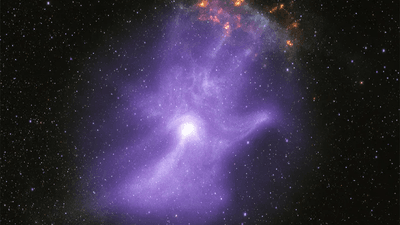
The first of this trio is a supernova remnant called MSH 11-52. The X-ray observations from NASA’s Chandra and Imaging X-ray Polarimetry Explorer (IXPE) give the impression of a ghostly, wispy hand reaching for something. That something is a red and orange web-like structure. The whole ensemble sits over background stars as seen by visible ground-based observatories.
The second stunning piece is a sonification of spiral galaxy M74. This galaxy was an early target of JWST and those observations were rendered and processed by several citizen scientists. This sonification used the combined data of Hubble, JWST, and Chandra – combined, they provide a view and a soundscape of a spiral dotted with bright X-ray sources.
Another supernova remnant is the third sonification of this release, located 5,000 light-years from Earth. Unlike the first sonification, the X-ray emissions (from Chandra and the now-retired German ROSAT mission) come from the outer shell of the nebula. This is combined with radio data from the Very Large Array and optical data. The sound delivers a truly sci-fi feel.
The project was started in 2020 as part of Chandra's outreach effort. It was aimed principally at reaching blind and visually impaired audiences – even involving members of the community in making the project better and more effective.
“When I first heard a sonification, it struck me in a visceral, emotional way that I imagine sighted people experience when they look up at the night sky,” Christine Malec, a member of the blind and low-vision community who supports the project, said in relation to a previous sonification.
“I want to understand every nuance of sound and every instrument choice because this is primarily how I’m experiencing the image or data.”
The documentary is available now on NASA+. It shows just how the project came to be in the first place as well as how sonification is created.
“We are so excited to partner with NASA+, along with her collaborators at SYSTEMS Sounds, to help tell the story about NASA’s sonification project,” Kimberly Arcand, Chandra’s Visualization and Emerging Technology Scientist, who leads the sonification efforts, said in a statement. “It’s wonderful to see how this project has grown and reached so many people.”