Nature
 PUBLISHED
 1
1


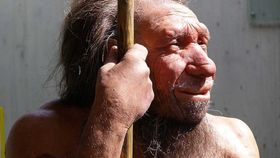


For a long time, Neanderthals were thought to be an unsophisticated people driven to extinction by smarter modern humans. Then we discovered that they cared for the bodies of their deceased, even holding burial rituals. Now, research suggests a slightly grisly turn of events: It appears they also ate their dead.
Human bones discovered in a cave in Belgium display evidence of cutting that suggests flesh was stripped from bone, as well as fractures that indicate an attempt to access the nutritious marrow within.
The bones of four adults, or possibly teenagers, and one newborn were found in the caves of Goyet, an archaeological site in southern Belgium, with markings that researchers have called “irrefutable” evidence of cannibalism.
The 40,000-year-old bones date back to the time Neanderthals were on the way out and Homo sapiens were emerging as the dominant modern human. The study, published in Scientific Reports, claims that the “bones show distinctive anthropogenic modifications, which provides clear evidence for butchery activities.”
These "activities" include cutting "to disarticulate and remove the flesh," as well as removing bone marrow, shown via fracture patterns. Some of the bones were also used to make tools.
"It is irrefutable, cannibalism was practiced here," said Belgian archaeologist Christian Casseyas, who also leads tours of the caves. "[Neanderthals] broke these bones in the same way that they broke those of the reindeer and horses found at the entrance of the cave, certainly to extract the marrow."
Previous evidence has been found in Spain and France that suggests Neanderthals partook in cannibalistic behavior, but this is the first time it has been confirmed in Northern Europe.
Why Neanderthals apparently indulged in cannibalism remains a mystery, however.
"Was it systematic? Was it only at certain particular moments?" lead author Hélène Rougier asked. "I don't know how to interpret the reason behind this cannibalism. It can be purely food, but it can also be symbolic ... The reason remains open."

The highly fragmented Neanderthal assemblage from the Troisième cavern of Goyet represents at least five individuals. Those with an asterisk were directly dated to 40,500 - 45,500 years ago. Royal Belgian Institute of Natural Sciences