Humans
 PUBLISHED





In the four and a half millennia since the ancient Egyptians built the Great Pyramid, numerous significant earthquakes have rattled Giza. That the iconic landmark has withstood these tremors without sustaining significant damage is testament to its design, which incorporates structural features that convey a remarkable degree of earthquake resistance.
Constructed between about 4,600 and 4,450 years ago as a tomb for the Pharaoh Khufu – also known as Cheops – the Great Pyramid stood firm through a 6.8-magnitude quake in 1847, as well as another in 1992 with a magnitude of 5.8. To understand how, researchers recorded ambient vibrations at 37 locations in and around the pyramid, taking measurements within the internal chambers and in the surrounding soil.
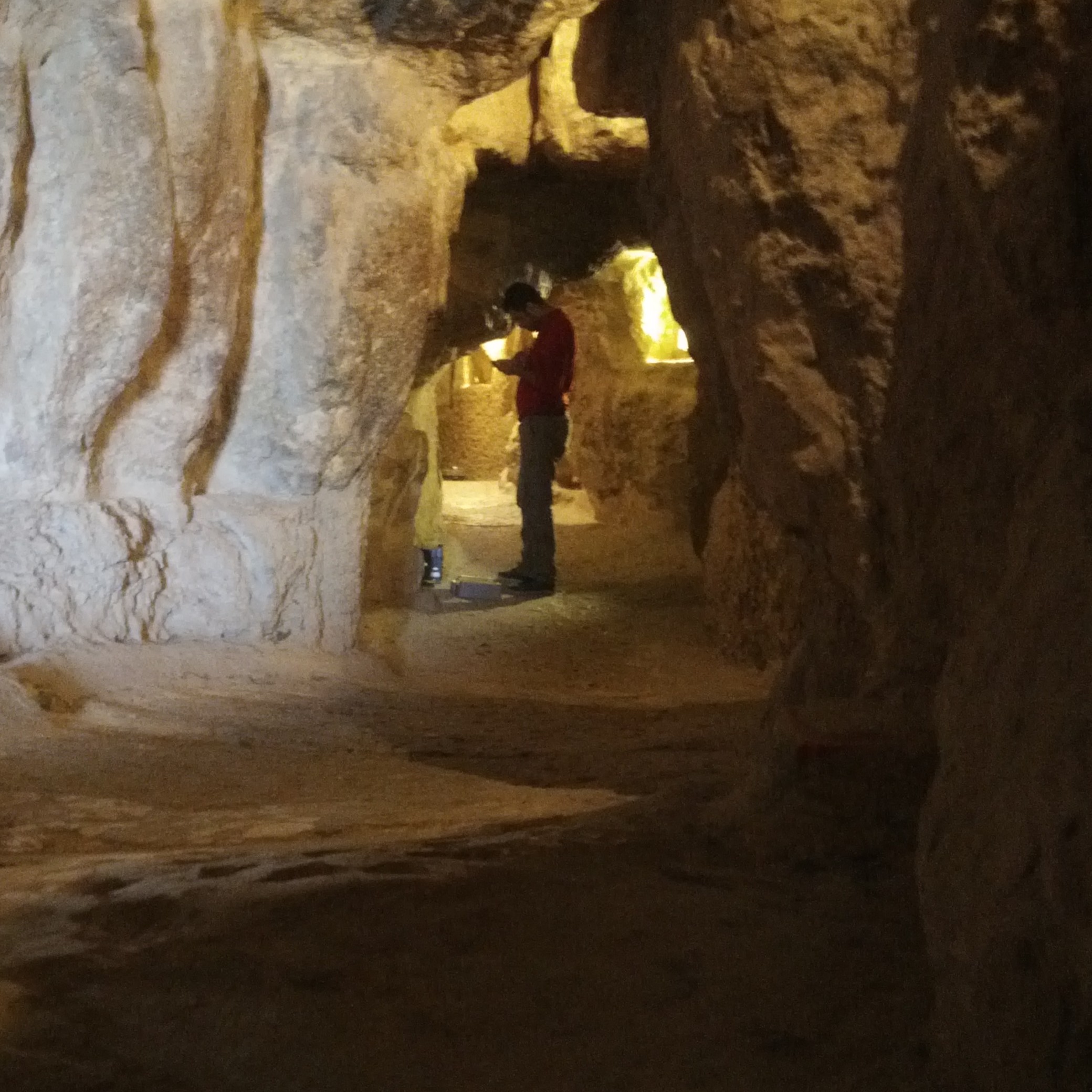
“A large percentage of the measurements showed very similar fundamental frequencies, which suggests a remarkably homogeneous and stable structural response despite the enormous scale and complexity of the monument,” explained study author Dr Asem Salama to IFLScience. Throughout all structural elements of the pyramid, the researchers recorded an average vibrational frequency of 2.3 hertz, indicating an even distribution of mechanical stress that may enable the monument to remain stable during earthquakes.
In contrast, vibrations in the surrounding soil had a frequency of 0.6 hertz. The difference in frequencies between the pyramid and its environment may therefore help to prevent any interactions between the two that could result in the amplification of vibrations within the structure, adding to its robustness.
I do think they developed architectural and geotechnical solutions that naturally produced structures with exceptional long-term resilience.
Dr Asem Salama
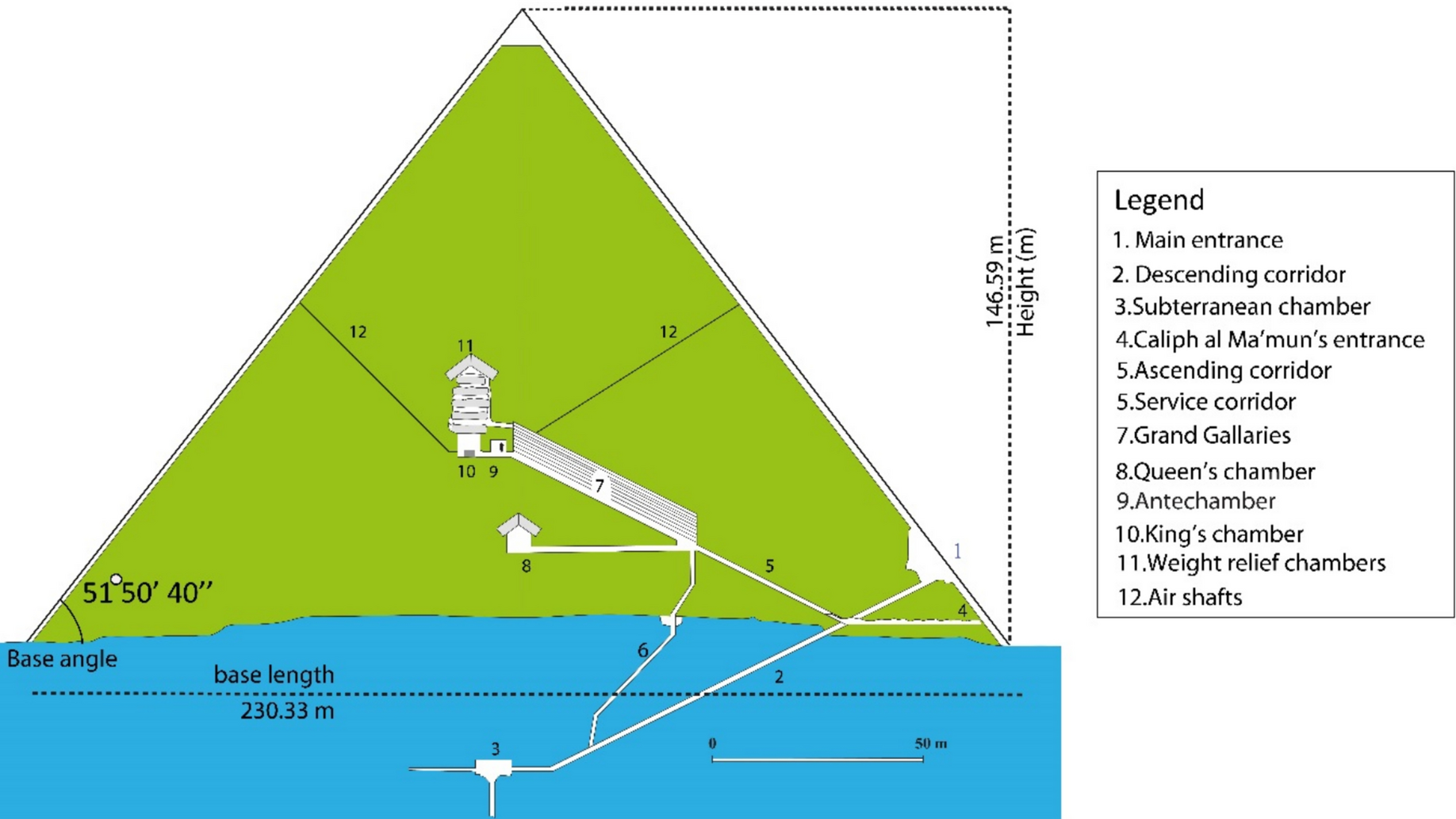
The hard limestone bedrock on which the pyramid is constructed was also found to have a low seismic vulnerability value, providing yet more security. When investigating how the structure amplifies vibrations from this bedrock, the authors found that amplification increases with height, reaching a maximum within the King’s Chamber, some 48.68 meters (160 feet) above the ground.
However, the amplification then decreases in the Relieving Chambers, which are located above the King’s Chamber. The researchers therefore believe that these cavities help to add extra stability to the pyramid, enhancing its earthquake resistance.
“What our results suggest is that certain characteristics of the Khufu Pyramid likely reduce seismic risk and help improve its structural stability,” says Salama. “Among these factors are the pyramid’s massive geometry, symmetrical form, careful mass distribution, competent limestone foundation, and the frequency separation between the structure and the surrounding soil, which may reduce resonance amplification during earthquakes.”
Whether or not all of this was intentional on the part of the pyramid’s builders, however, is currently unclear. “Personally, I believe the resilience is more likely the result of highly refined construction practices developed through centuries of experimentation, observation, and continuous improvement rather than deliberate seismic engineering in the modern sense,” says Salama.
“So while I would hesitate to claim that they intentionally designed the pyramid specifically for earthquake resistance, I do think they developed architectural and geotechnical solutions that naturally produced structures with exceptional long-term resilience.”
The study is published in the journal Scientific Reports.