Health and Medicine
 PUBLISHED





There's a lot of advice out there about reducing your cancer risk. Avoid smoking, limit your alcohol consumption, prioritize eating whole foods, and get regular exercise – these are all mainstays of the cancer prevention toolkit.
We also hear a lot about how to avoid catching and spreading infectious diseases, ranging from staying up to date with your vaccines to wearing a face mask to self-isolating when you’re sick.
We tend to see the concepts of cancer and infections diseases as separate things, but there’s a lot more crossover than you might expect. That's because some cancers are actually far more likely if you are infected with certain kinds of virus or bacteria.
As a new study from an international team of cancer researchers puts it: “Infectious agents are an important preventable cause of cancer globally.”
Analyzing data from the Global Cancer Observatory's Cancer Today (GLOBOCAN) database, the authors estimate 2.3 million new cancer cases in 2024 were associated with infection. That equates to 12 percent of all cancer cases diagnosed that year, or about 1 in 8 cases.
Digging deeper, they calculated that just five pathogens could account for almost all of those cases.
Gut bacterium causes most cancer of any pathogen
Helicobacter pylori bacteria live harmlessly in the guts of many people – almost half the people on the planet will likely become infected with them at some stage in their life.
Infection often has no symptoms, but sometimes it causes damage to the stomach lining that can result in peptic ulcers. While it's rare for these to progress to cancer, the sheer number of people with an H. pylori infection means these bacteria end up accounting for a lot of cases.
The new study estimates that 760,000 of the new cancer cases in 2024 were linked to H. pylori. There’s no vaccine for it yet – though scientists are working on one – so prevention is a little tricky, but a test can tell you who is infected and a course of antibiotics is usually enough to prevent things getting more serious.
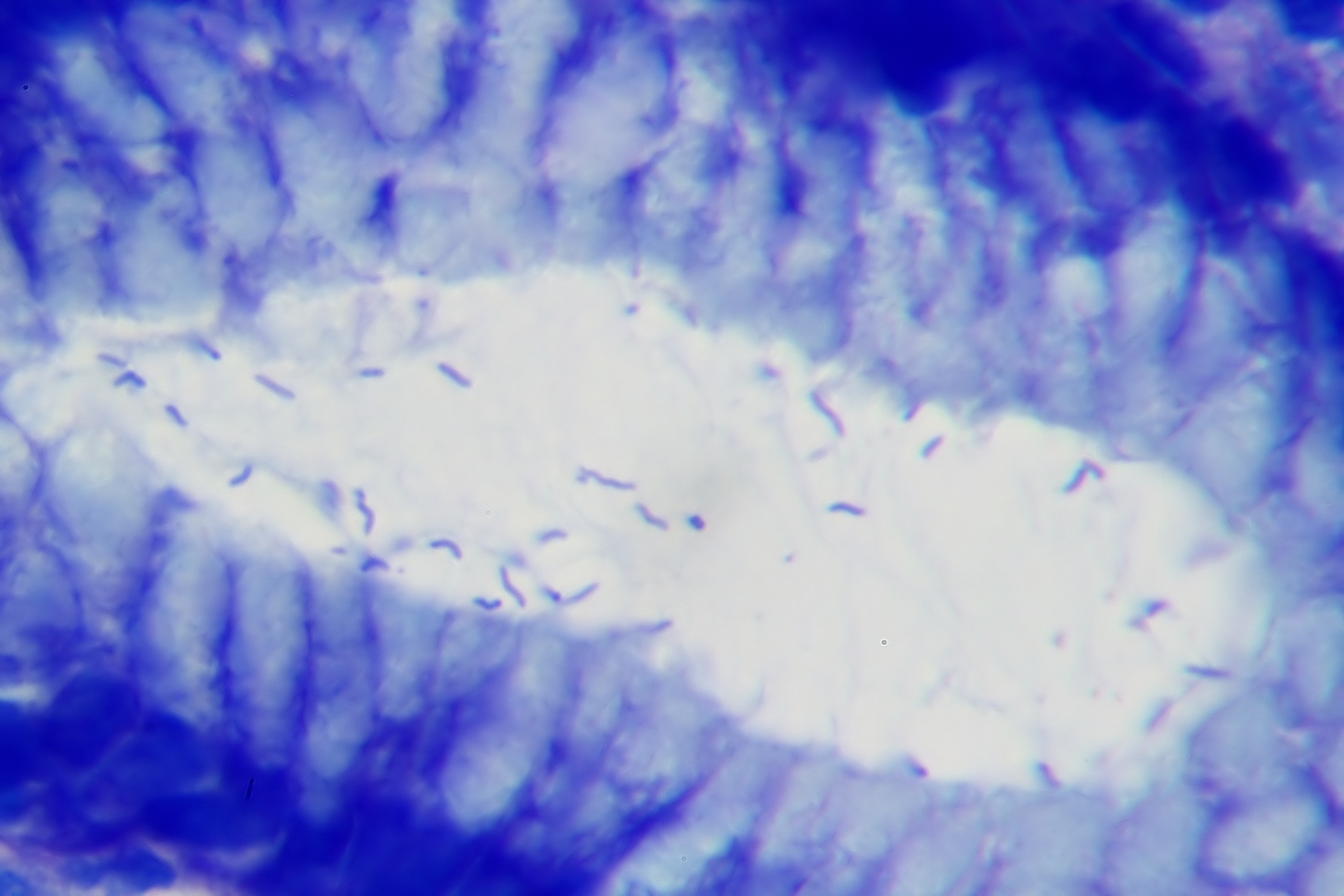
The discovery that H. pylori causes ulcers is one of the great "strange tales" of science, involving self-experimentation on the part of future Nobel laureate Dr Barry Marshall.
In 1984, frustrated by the skeptics who questioned his hypothesis, Marshall famously drank a culture of the bacteria, giving himself a nasty case of gastritis in the process but also confirming that H. pylori could and did cause inflammation. A course of antibiotics thankfully saw him right, and he and collaborator J. Robin Warren were awarded the Nobel Prize in Physiology or Medicine in 2005 for their discovery.
Despite successes, HPV still makes the list
If there’s one cancer-causing virus you've heard of, it’s probably human papillomavirus (HPV). Most often associated with cervical cancer, various HPV strains also cause head and neck cancers, and cancers of the vagina, vulva, penis, and anus.
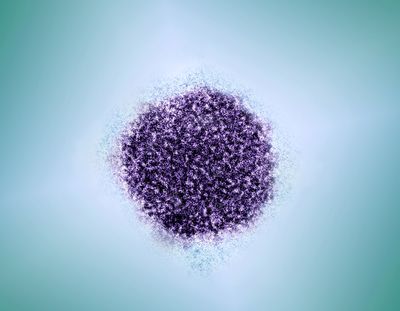
The study estimated that a further 750,000 of the 2024 cancer cases were HPV-linked. Most of these were cervical carcinomas, and 100 percent of the cervical cancers included in the analysis were caused by HPV, demonstrating the strength of the link between the two.
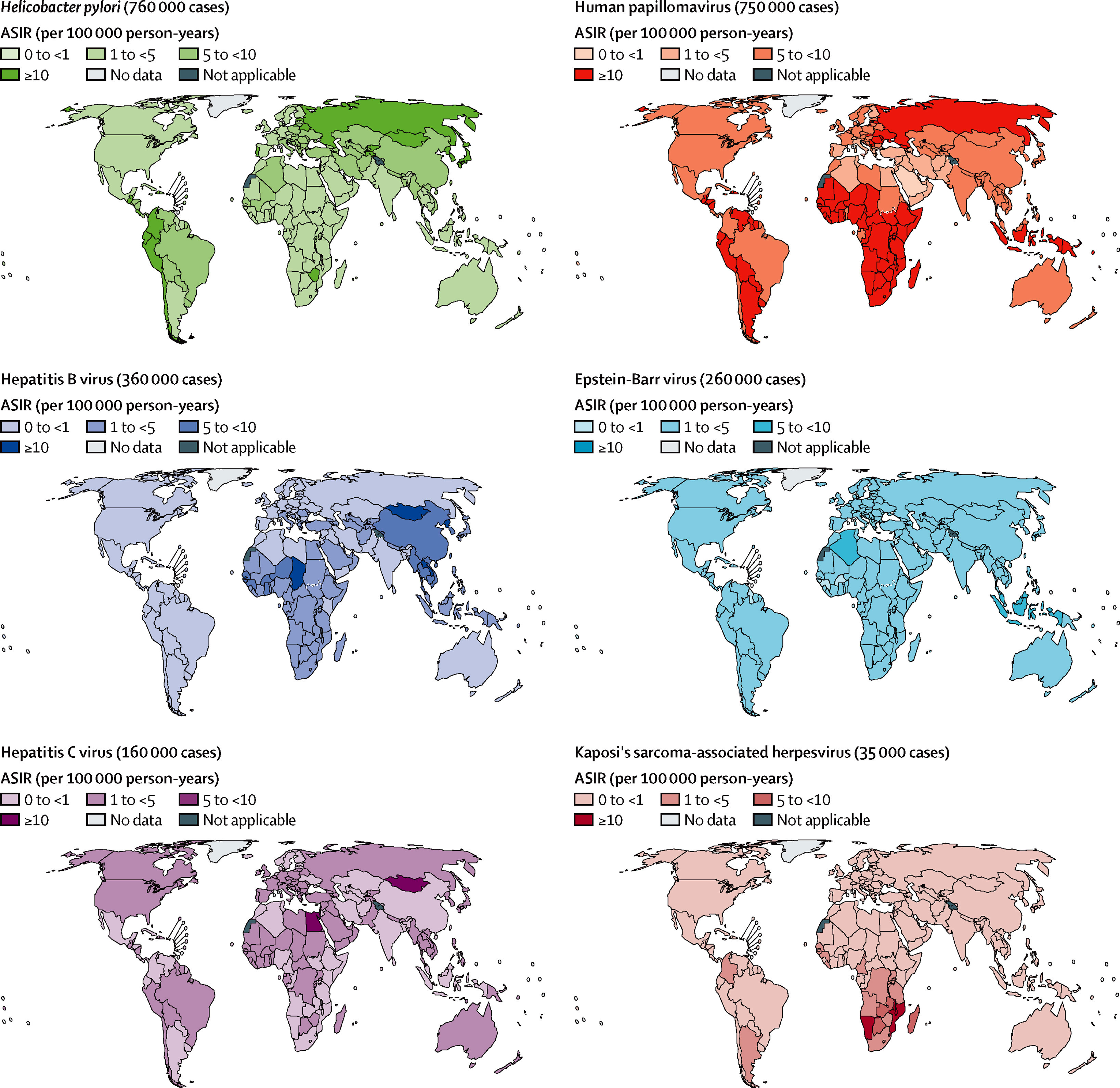
In some parts of the world, the introduction of HPV vaccines has made a massive difference, with HPV-associated cancer diagnoses and deaths in some groups dropping to all-time lows. But the vaccine isn't easily accessible to everyone. Sub-Saharan Africa had the highest proportion of infection-related cancers in the analysis, driven primarily by HPV.
Now, the authors argue, it’s time to scale-up efforts to reach more people with this highly effective vaccine. It’s a call that’s been echoed by others, including the authors of a 2026 review that found HPV vaccination is an important preventative tool against head and neck cancers.
HPV is a sexually transmitted infection, so, in addition to vaccination, people can limit their exposure by practicing safe sex using condoms and dental dams. Many countries also run cervical screening services to monitor people for HPV infection and catch other early warning signs of cervical cancer.
Hepatitis B and a vaccine under fire
Next on the authors hit list is hepatitis B, accounting for 360,000 cancer cases. This virus is the leading cause of liver cancer worldwide. Like HPV, however, there’s an effective vaccine that can prevent infection.
For the past 30 years, hepatitis B vaccination has been recommended for newborns on the US vaccine schedule. But recently, under the Trump administration and Robert F. Kennedy, Jr.’s tenure as Health and Human Services Secretary, the guidance was changed.
In cases where the mother of a newborn tests negative for the virus, the new recommendation is that the question of when to vaccinate the baby should be left up to “individual-based decision-making.” This is despite the fact that hepatitis B infection in very young children is known to be vastly more likely to lead to a chronic infection and increased risk of cancer.
The decision, according to findings from several recent papers, could cost the US up to $370 million and lead to preventable deaths.
The authors of the new study list broader access to hepatitis B vaccines as one of their recommendations to counteract some of the burden of infection-associated cancers – in other words, the exact opposite of what the US government is doing.
An enigma that infects over 90 percent of us
The fourth infectious agent highlighted in the data is Epstein-Barr virus (EBV). This is another incredibly common virus but its connection to disease is less straightforward and presents in a number of different ways.
In 2025, for example, Professors Alberto Ascherio and Stephen Hauser were awarded the Breakthrough Prize in Life Sciences for their work untangling the link between EBV and multiple sclerosis. It’s also known that EBV can trigger the autoimmune disease lupus, which one of the authors of a study that uncovered the mechanism described as “the single most impactful finding to emerge from my lab in my entire career.”
In the new study, cancer of the upper throat was the most frequent type associated with EBV, but there were several others, including four different forms of lymphoma, a type of blood cancer. Most of the cases were recorded in Southeast Asia, followed by North Africa, East Asia, and West Asia.
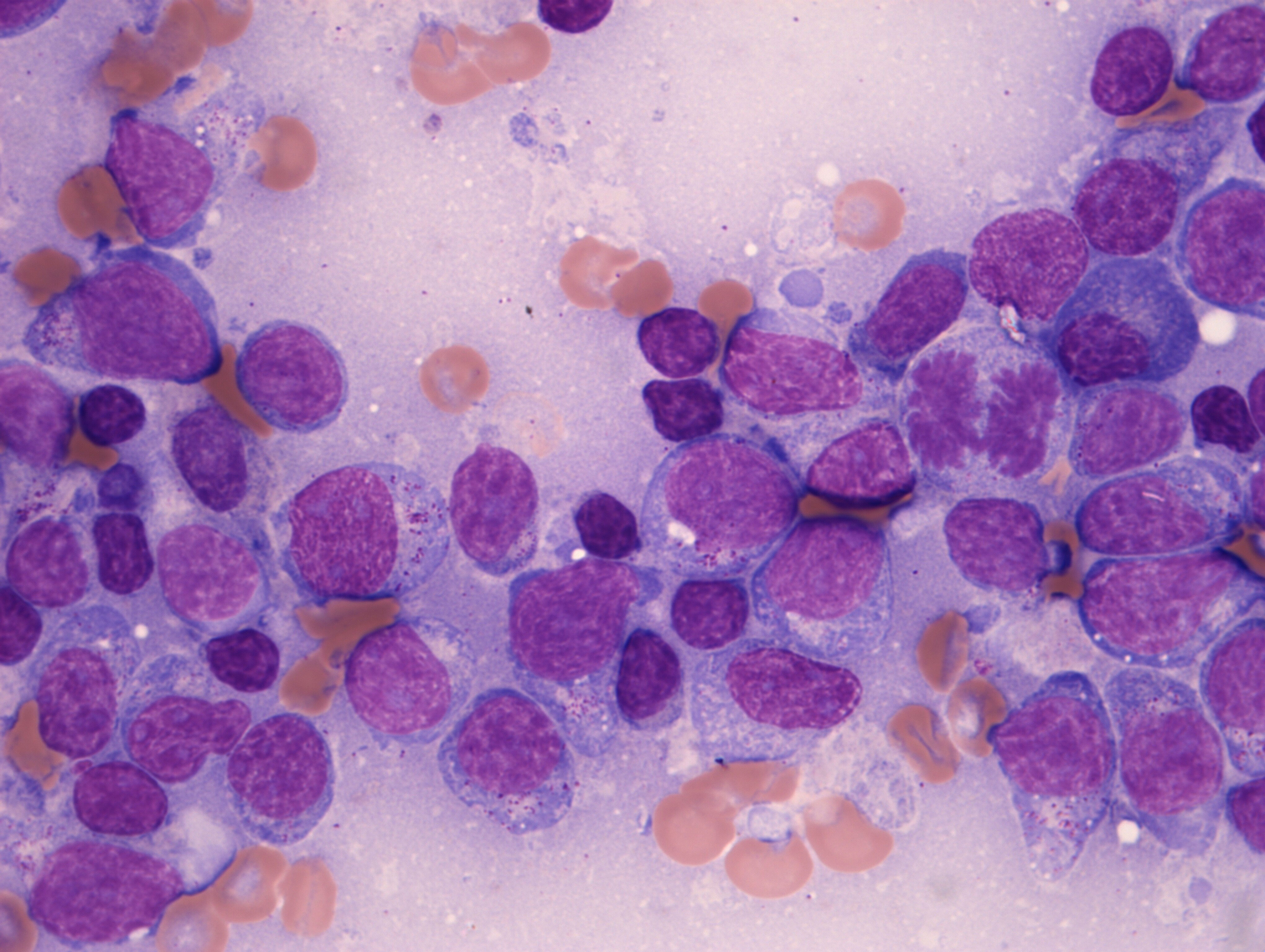
Almost every human on Earth is infected with EBV, so the authors highlight the importance of understanding why it causes cancer in some people and not others – they suggest genetic, environmental, and dietary factors may all play a role.
“As there are currently no efficient strategies to control infection, EBV should be considered an important target for investment in primary and secondary prevention,” they write.
Another virus with no vaccine
Finally, hepatitis C virus was linked to 160,000 cancer cases. Like hepatitis B, it’s an important cause of liver cancer. According to the data, the bulk of infection-associated cancers in North Africa were caused by hepatitis C.
Unlike hepatitis B, there is no vaccine for hepatitis C. Prevention, the authors suggest, must therefore focus on stopping people becoming infected in the first place through measures like safe injection practices, as well as screening and treating people who are infected before the illness becomes chronic.
Antiviral treatment is available but needs to be kept going for up to 12 weeks, which poses a challenge in regions where consistent access to healthcare isn’t always guaranteed.
An honorable mention also goes to HIV, as the authors state that their study is likely the first of its kind to include this virus.
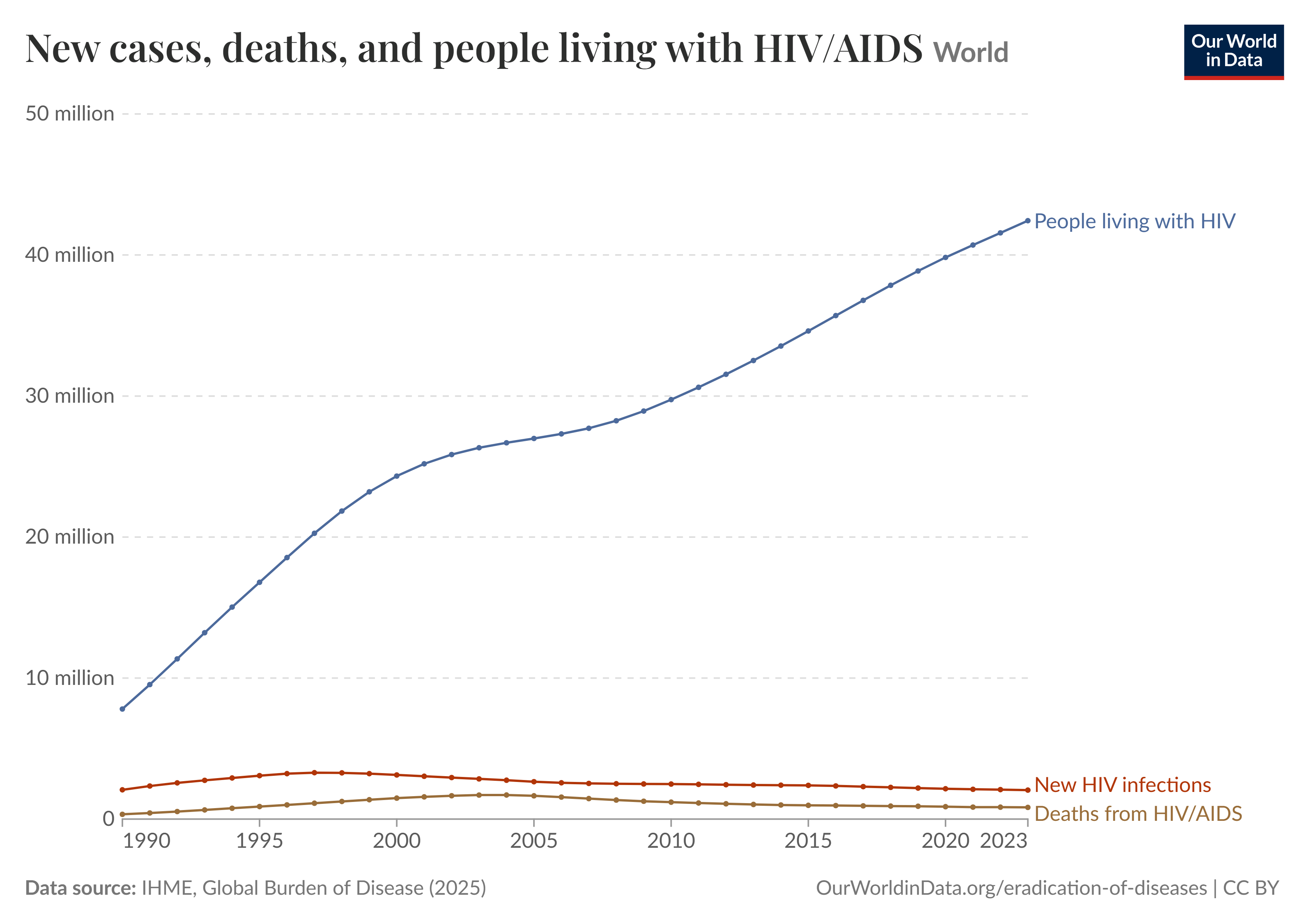
HIV control doesn't only prevent cancers directly caused by the virus, such as Kaposi’s sarcoma – it also helps reduce the burden of other infection-associated cancers, as people with untreated HIV are more vulnerable to other infections.
“Yet, HIV prevention and control is at risk due to disinvestment of foreign aid funding over the past few years,” the authors point out, highlighting the continued need for equitable access to HIV drugs, PrEP, testing, and other preventative measures.
Many of the prevention strategies for HIV and all the other pathogens on this list are “cost-effective” according to the authors. However, they claim these strategies are “often underused due to societal, financial, and political barriers, often in the settings that need them the most.”
Their message, therefore, is that the world can and should do more to ensure that the “1 in 8” figure starts to decrease.
The study is published in The Lancet Oncology.


 1
1