


 Nature
 PUBLISHED



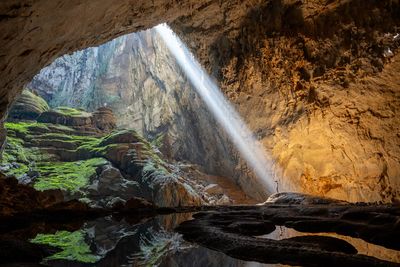


Sơn Đoòng Cave lay completely undisturbed, hidden deep within the Vietnamese jungle, for millions of years. That was until just a few years ago, when the combined efforts of a local explorer and a team of British cavers revealed it to be the largest known cave in the world by volume.
In the 1990s, an intrepid wanderer named Hồ Khanh first discovered the cave’s entrance while searching the surrounding rainforest for agarwood, a resinous heartwood that has become a valuable commodity thanks to its use in medicine, incense, and perfumes.
His work required him to navigate the disorienting and often dangerous forest. Over time, he became highly skilled at identifying cave systems as they provided him with much-needed shelter and water.
In early December 1990, Khanh was out on an expedition but was forced to take cover due to a heavy storm. By chance, this led him to the entrance of what would become known as Hang Sơn Đoòng. However, he didn’t dare to venture further into its depths, as he was dissuaded by giant fog plumes and cold air flowing out of the cave mouth like a dragon’s breath.
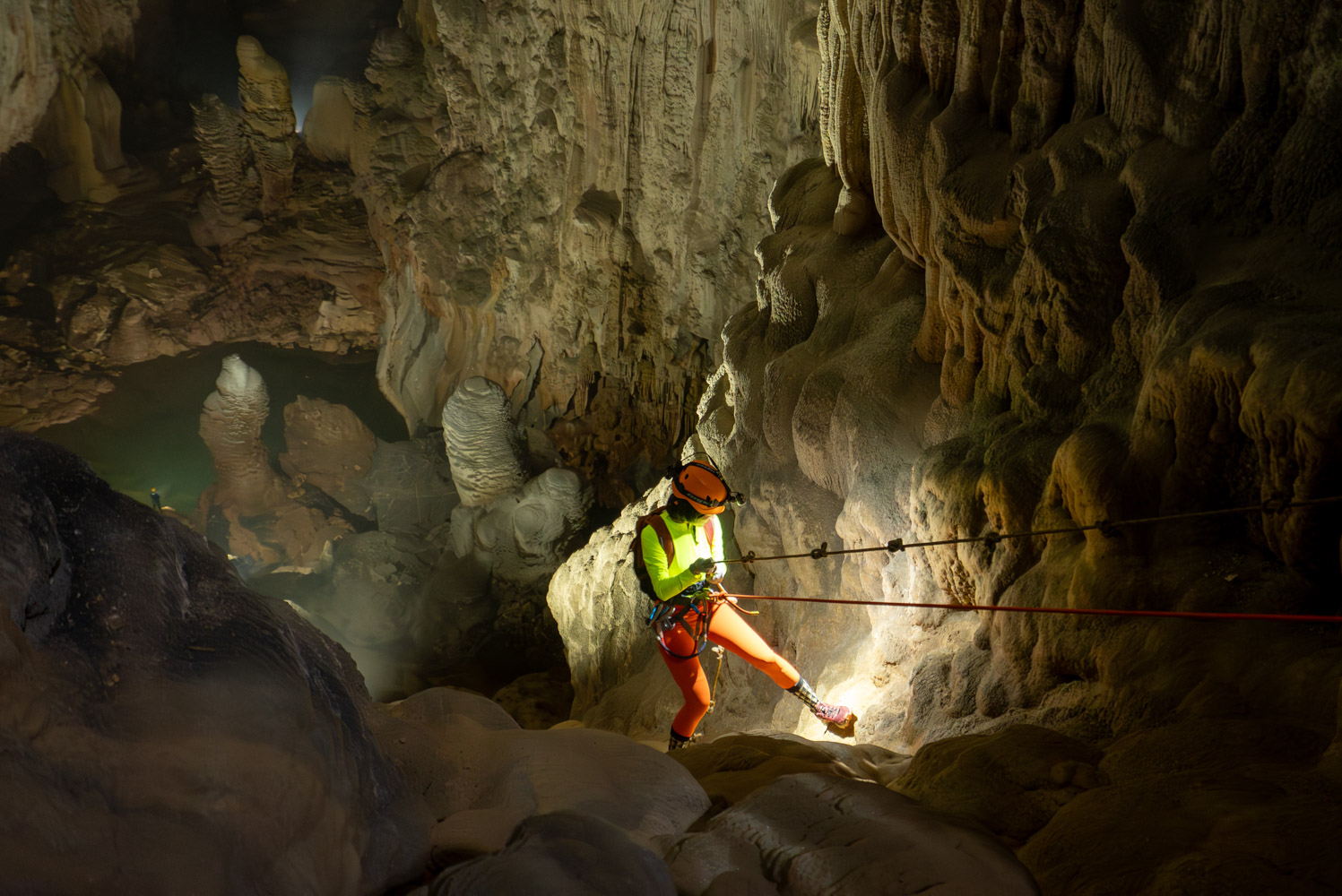
Years passed, but Khanh never forgot the sight. It wasn’t until 17 years later that he came into contact with Howard Limbert of the British-Vietnam Caving Expedition Team, who asked him to guide them through the area. They made an attempt to enter the giant cave in 2007, but they were unable to relocate its entrance.
And understandably so. The jungle surrounding Sơn Đoòng is unforgiving terrain. Deep within Vietnam's Quảng Bình province, the forest is a dense tangle of thick vegetation, rugged rock ridges, and unpredictable weather. Snakes, sudden floods, and sheer cliff faces make it treacherous even for experienced guides. Even GPS and modern navigational equipment will only get you so far — the most reliable tool is years of knowledge and experience built up through careful, instinctive exploration.
Undeterred, Khanh returned to the jungle of Phong Nha-Ke Bang National Park alone in 2008 and searched until he found the entrance once more, carefully marking its location before heading home to await the expedition team's return. In 2009, the expedition group, with the help of Khanh and the Hanoi University of Science, eventually returned to the cave and began to document its inside.
They quickly realized it was truly gigantic, just as Khanh had suspected. In fact, it is roughly five times larger than the previous holder of the “world’s largest cave” title, Malaysia’s Deer Cave.
Sơn Đoòng measures up to 38.4 million cubic meters (1.35 trillion cubic feet) in volume. It also features passages stretching nearly 9 kilometers (5.5 miles), with sections up to 198 meters (650 feet) wide – large enough to fly a Boeing 747 through without clipping its wings.
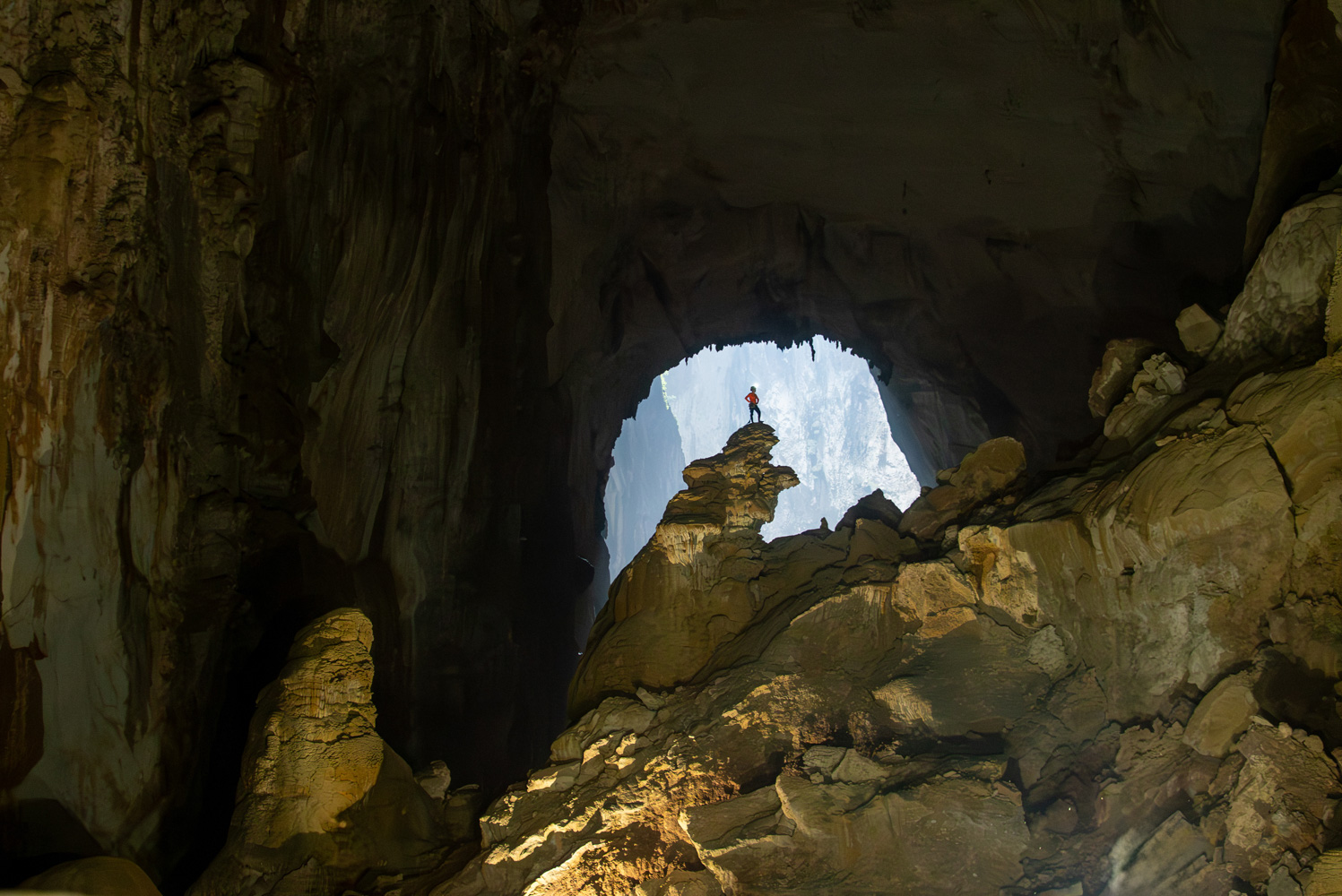
While much sits in darkness, parts of this inner world are illuminated by two massive sinkholes that have opened in the cave's ceiling, flooding it with natural light.
All of this is the work of two to five million years of water erosion. A fast-flowing river of slightly acidic water passes through the soluble limestone, eventually hollowing out vast chambers and carving corridors over hundreds of thousands of years. These geological processes also create some remarkable formations, including what is believed to be the world's tallest stalagmite, a 70-meter (229-foot) column known as "Hope and Vision”.
There is a chance Sơn Đoòng won’t hold its title forever – it might not even be the largest cave in this corner of Southeast Asia. It is estimated that just one-third of Phong Nha-Kẻ Bàng National Park has been explored, meaning a great deal is still waiting to be discovered in the region, not to mention elsewhere.
The cave was recently covered in an episode of CBS's 60 minutes.


 1
1