Nature
 PUBLISHED




The humble bee needs our help. But aside from cutting down on the amount of pesticide you spray on your own patch, or planting more nectar-rich flowers in your backyard, what else can you do to help slow the industrious insect's decline?
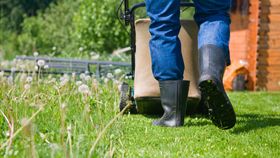
Put your feet up, it would seem. A new study has found that mowing your lawn less frequently helps to encourage more bees into the garden, increasing not just the overall number of the insects, but also the diversity of species too. By letting the grass grow longer, it helps to encourage the growth of wildflowers providing the bees with more food.
The study, carried out by ecologists at the US Department of Agriculture, looked at the impact that mowing the lawn has on the bees that visit in suburban yards. They got residents of Springfield, Massachusetts, to mow their grass either every week, every two, or every three weeks, and then recorded the number and diversity of bees, as well as the flowers that grew.
It turned out that being a little lax on the mowing, and letting the lawn go a bit shabby, was ideal for the pollinating insects. In the gardens that only cut the grass every three weeks, the researchers found 2.5 times more lawn flowers such as dandelion and clover, which resulted in a greater diversity of bee species. Interestingly though, it was the lawns mowed every two weeks that saw the greatest overall number of the insects.
“We found that backyards can be a surprisingly beneficial habitat for bees,” said Susannah Lerman, lead author of the study, published in Biological Conservation. “Mowing less frequently can improve pollinator habitat and can be a practical, economical, and timesaving alternative to lawn replacement or even planting pollinator gardens.”
With the dramatic decline seen in recent years not just in honeybees, but all species of the pollinating insect – there are over 4,000 native species in the United States alone – is of serious concern. While the number of honeybee colonies in the US did increase slightly, this is just a small part of overall bee numbers, not to mention that the small rise was due to farmers artificially bumping the numbers precisely because of the massive losses seen in previous years.
If this is a way for people to help the poor beleaguered insects weather the current threats of pesticides, habitat destruction, and disease, and in a way that means people have to actually do less not more, then we should all be encouraging people to cut down on their mowing just a little bit.