Humans
 PUBLISHED


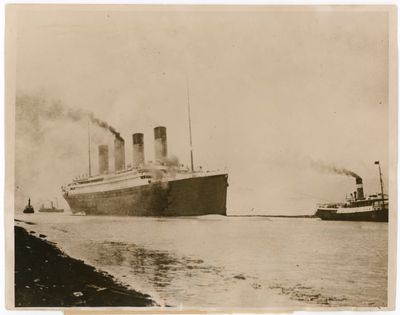


Around 2,223 passengers and crew boarded the Titanic on its maiden voyage in April 1912, but only 706 survived when the ship sank in one of the worst peacetime maritime disasters in history. That means approximately 1,517 people perished in the infamous incident.
The Titanic has been the focus of countless reports, studies, documentaries, books, and films, but consistent statistics on the number of passengers and deaths remain surprisingly elusive. The figures cited above are drawn from the US Senate inquiry into the sinking of the Titanic, which was presented in May 1912 just weeks after the disaster.
The British inquiry, however, reported different numbers. According to their findings, there were 2,201 people on board, with approximately 1,500 passengers and crew lost and around 710 survivors.
While the exact figures vary slightly between reports, they fall within the same general range. Both inquiries also shed light on the same demographic patterns that influenced the likelihood of survival.
All of the Titanic’s survivors owed their lives to the lifeboats launched after the ship began to sink. Upon departing from the doomed vessel, around 700 passengers were picked up and rescued by RMS Carpathia, the lone ship to respond to Titanic's distress signals.

However, there were not nearly enough lifeboats to accommodate everyone on board. The ship’s chief designer, Alexander Carlisle, had originally proposed installing 48 lifeboats, but that number was reduced for aesthetic reasons. Apparently, it made the decks look too cluttered. In the end, the Titanic was equipped with just 20 lifeboats, enough to accommodate just 1,178 people, a fraction of the total number of people on board.
It's a grim reality that your chances of survival were closely tied to the price of your ticket and the “class” you could afford. It's also well documented that the captain gave a clear “women and children first” order, which significantly increased their likelihood of making it out alive.
Per the British statistics, over 97 percent of women in first class survived, while all children in first class survived. However, some accounts suggest that one first-class child – a 2-year-old Canadian girl named Lorraine Allison – did perish, though aspects of her identity and circumstances remain somewhat unclear. In contrast, the survival rate for first-class men was as low as 32 percent.
The worst-affected demographic was second-class men, with only 8 percent surviving. Meanwhile, 86 percent of second-class women survived. Third-class men faced slightly better odds than their second-class counterparts, with a survival rate of 16 percent. Among third-class women, just 46 percent survived.
One of the most haunting questions surrounding the Titanic is why, despite the loss of at least 700 lives at the site, no human remains have ever been found at the wreck itself. Several factors contribute to this, but the most significant is the extreme location at which the ship now rests.


 5
5