Health and Medicine
 PUBLISHED
 2
2




A simple blood test could help sniff out signs of Alzheimer's disease years before any clear symptoms appear, according to a new study in the Journal of Experimental Medicine.
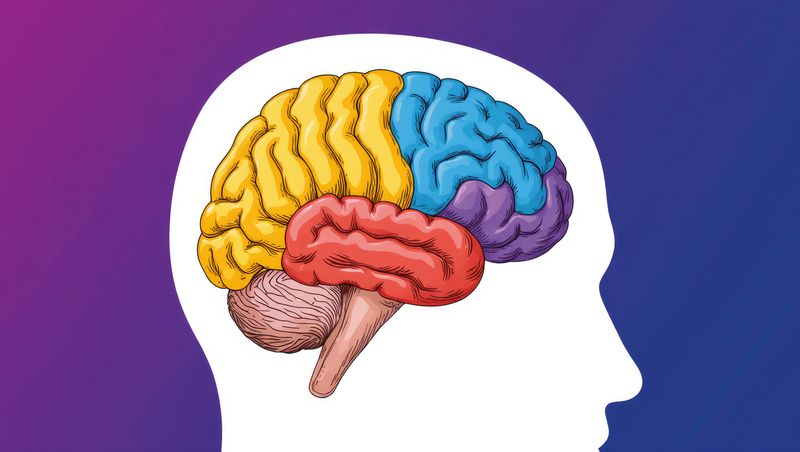
Alzheimer's disease is caused by the abnormal buildup of proteins – amyloid-β and tau – in the brain. This can eventually lead to a form of dementia characterized by progressive loss of cognition involving memory, difficulty with problem-solving, confusion, and disorientation. However, it’s known that changes in the brain involving these proteins can start to occur decades before clear symptoms emerge.
Diagnosing Alzheimer’s based on these proteins has proved problematic as scientists were previously unsure whether they could be found in the blood. Now, it's apparent that minuscule traces of these proteins can be found in the blood and this can be used to diagnose people at an early stage.
The new blood test can detect tiny concentrations of p-tau-217, a modified fragment of tau protein, with a high degree of accuracy. The test was able to measure the amount of p-tau-217 and other tau fragments within just 4 milliliters of blood. Remarkably, the test was able to pick up on levels of p-tau-217 that were lower than a trillionth of a gram.
"To our knowledge, this is the lowest concentration ever measured by mass spectrometry for a protein marker in human blood plasma," lead author Nicolas Barthélemy, from the Department of Neurology at Washington University School of Medicine, said in a statement.
Scientists have long sought the much-hyped Alzheimer’s blood test. This is because the neurodegenerative disease is difficult to identify in the earliest stages and appears to quickly creep up on patients with an array of debilitating symptoms. While this new blood test is undoubtedly welcome news, other experts have warned that it will still be some time before hospitals will have widely available Alzheimer’s blood tests. For now, it's only possible to carry out the test in a lab. As ever, there also needs to be further research to affirm the study’s findings.
“Although this research looks extremely promising, further validation in people from more routine clinical settings are still needed, and a lot of work will be needed to achieve standardization of the test across laboratories – so it could still be at least five years before we see an accurate blood biomarker test for dementia it in the clinic,” commented Professor Clive Ballard, professor of age-related disease at the UK’s University of Exeter Medical School, who was not involved in the study.
"While this test will help find people in early stages of Alzheimer’s disease to participate in research studies, at the moment there are not effective treatments to give people that will stop disease progression, so more fundamental research is needed in order to develop life-changing treatments,” added Professor Tara Spires-Jones, from the UK Dementia Research Institute at The University of Edinburgh.
Edited 31/07/2020: This article previously said "millimeters of blood" instead of "milliliters of blood." This error has since been corrected.