Nature
 PUBLISHED


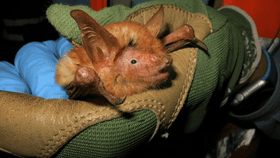


It’s a big old world out there, and while humans have made impressive progress across its surface, there are animals out there still unknown to science. That knowledge fuels a common dream among some scientists, each wanting to make their mark by introducing a new species to the world. This dream was granted to a team of scientists working with Bat Conservation International, who in a new paper published in the journal American Museum Novitates names a brand new bat, and it’s a (fuzzy) peach.
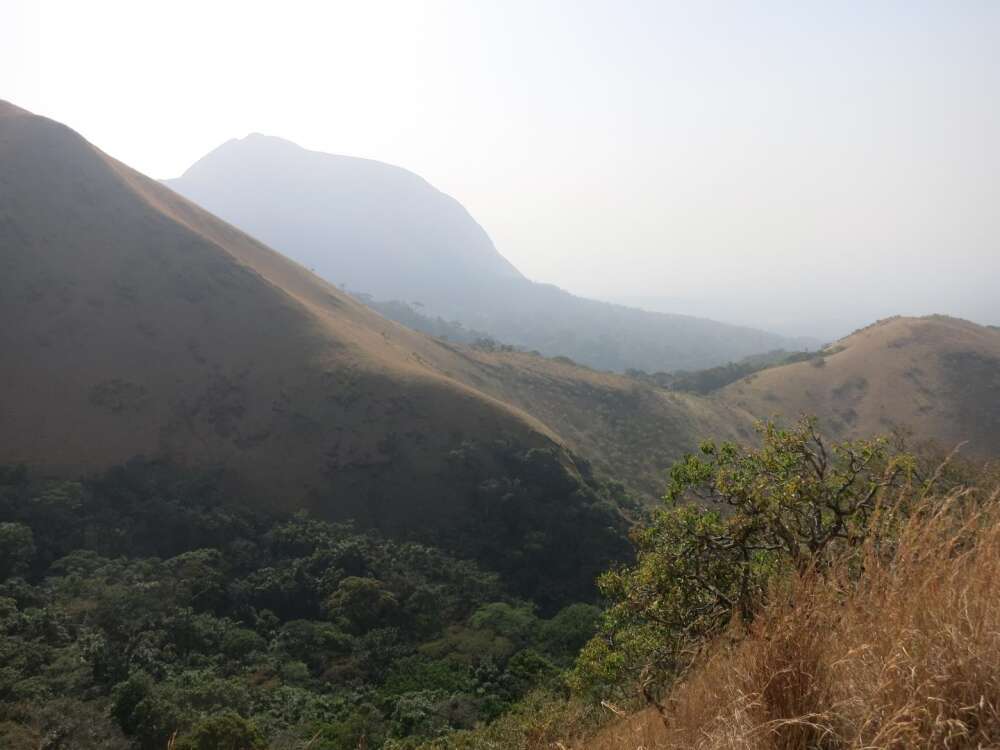
In 2018, a team of scientists from Bat Conservation International and the University of Maroua in Cameroon began surveying the Nimba Mountains in Guinea, West Africa, looking for bats natural caves. The study also surveyed mining tunnels that had been built in the 70s and 80s, and represent hot property for roosting bats.
The research aimed to paint a clearer picture of which habitats are being used by which bat species, and how their roosting behaviors change throughout the year. The critically endangered Lamotte's roundleaf bat, Hipposideros lamottei, is one occupier of the mountainous real estate. These bats have only been found in the Nimba Mountains, so getting a better idea of their annual activity could inform better conservation approaches for this unstable population.
While on the hunt (academically speaking) for H. lamottei, the team found an animal that was unlike any bat they had ever seen. Sensing they may have stumbled across something new, they phoned Nancy Simmons, American Museum of Natural History Curator and Bat Conservation International Board member, to see what she made of it.
"As soon as I looked at it, I agreed that it was something new," said Simmons in a statement. "Then began the long path of documentation and gathering all the data needed to show that it's indeed unlike any other known species."
Analyses of the bat’s vocalizations, genetic material, and morphology returned the result they’d all been hoping for: it was indeed a species not yet recorded in science. The team has named the ginger floof Myotis nimbaensis, which translates to "from Nimba", in recognition of the mountainous region where it was found.
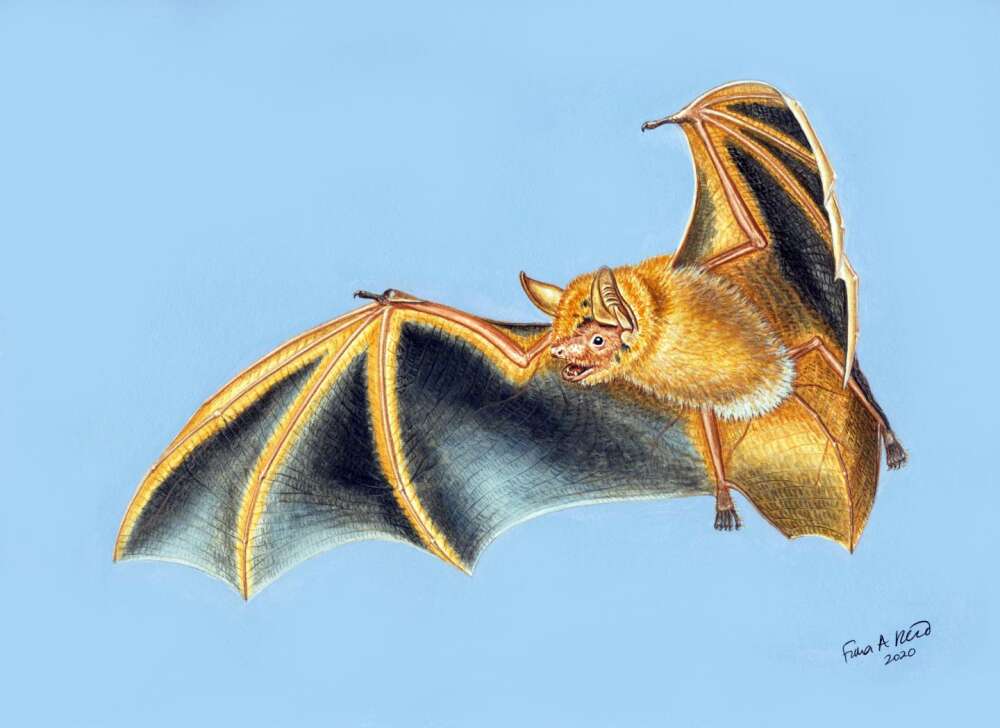
"In an age of extinction, a discovery like this offers a glimmer of hope," said Winifred Frick, chief scientist at Bat Conservation International and an associate research professor at the University of California, Santa Cruz, in a statement. "It's a spectacular animal. It has this bright-orange fur, and because it was so distinct, that led us to realize it was not described before. Discovering a new mammal is rare. It has been a dream of mine since I was a child."