


 Health and Medicine
 PUBLISHED


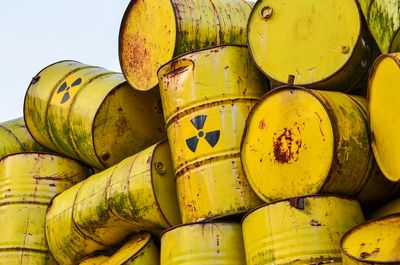


A trial has begun in the US for a drug that should prevent the harmful effects of radiation on the body in the event of a nuclear attack or incident. Prevention and treatment for radiation poisoning are currently extremely limited, so a drug that can effectively remove radioactive contamination from the body would be a landmark moment in defending against a currently unstoppable poison.
HOPO 14-1 is an investigative drug that is hoped can protect and treat victims of nuclear fallout, by binding (or chelating) contaminated heavy metals and removing them from the body. It is thought to be effective against Uranium and other materials used in nuclear weapons, such as dirty bombs or ballistic missiles.
It may also help treat lead poisoning, according to existing data on the drug type.
The first human clinical trial will see around 42 participants test a range of doses to assess the drug’s safety, the findings of which will be reported in 2024. HOPO 14-1 is not currently FDA-approved and is not available for emergency use either.
There is already a compound on the market that binds radioactive heavy metals, but HOPO Therapeutics states that these DTPA molecules deplete the body of essential ions too (such as zinc and magnesium), while their drug does not.
The remaining treatments for radiation are extremely rudimentary, with iodine tablets and Prussian blue being some of the only options. Iodine is relatively effective at removing radioactive iodine from the body and Prussian blue can handle caesium and thallium, but much of the fallout can still wreak havoc on the body. In many cases, radiation poisoning comes down to hoping that the dose was low enough to survive.



 2
2