Health and Medicine
 PUBLISHED


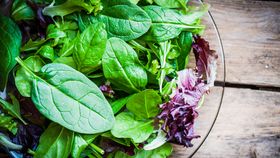


You probably associate food poisoning with late-night takeaways or badly prepared barbecues. However, that’s not always the case, as a handful of unlucky people in the UK are currently learning.
Public Health England (PHE) has issued a warning as two people have died and 151 have fallen ill after recently eating salad contaminated with E. coli O157. The exact origin of the contamination is still under investigation, but several of the affected individuals ate mixed salads that contained rocket leaves. Using whole genome sequencing, researchers from PHE have said the bacteria is likely to be an imported strain, probably from the Mediterranean area.
Symptoms of this rather nasty “bug” usually occur one to 14 days after consumption and can include diarrhea with severe abdominal pain. So far, at least 62 people have required hospital care following this infection.
Many parts of the UK have been affected since the end of June, ranging from Scotland to the south coast of England, although PHE have said most cases have been found in southwest England.
To avoid getting ill from this outbreak, Dr Isabel Oliver, director of PHE’s field epidemiology service, said in a statement: “We continue to stress the importance of good hand and food hygiene practices at all times. We urge people to remove any loose soil before storing vegetables and thoroughly wash all vegetables (including salads) that will be eaten raw unless they have been pre-prepared and are specifically labelled ‘ready to eat’. These measures may reduce the risk of infection from any E.coli contaminated vegetables, fruit and salad but will not eliminate any risk of infection completely.”
She added: “As an additional precautionary measure, we have advised a small number of wholesalers to cease adding some imported rocket leaves to their mixed salad products pending further investigations.”