Nature
 PUBLISHED
 1
1


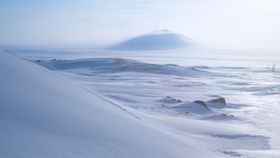

The Northern Hemisphere has a new coldest temperature record, and it is seriously freezing. The all-time low of -69°C (-92.2°F) was recorded in Greenland and has been verified by the World Meteorological Organization (WMO).
The record was actually set nearly 30 years ago, but “climate detectives” from WMO’s Archive of Weather and Climate Extremes – where you can find the world’s record-breaking temperatures, rainfall, driest periods, hailstone size, you name it – only recently unearthed the historic record.
The rather numbing -69°C (-92.2°F) was recorded at an automated weather station in a remote part of central Greenland named Klinck on December 22, 1991, beating the previous record by 2°C. The weather station is located at an elevation of 3,105 meters (10,100 feet), close to the highest point of the Greenland Ice Sheet.
The world’s lowest ever temperature recorded is -89.2°C (-128.6°F) at the high-altitude Vostok weather station in Antarctica on July 21, 1983. The previous Northern Hemisphere record was set in Russia in February 1892 and January 1933 by weather stations at Verkhoyanksk and Oymyakon, respectively, recording -67.8°C (-90°F).
Incredibly, the station at Verkhoyanksk hit the headlines earlier this summer when it recorded a sizzling temperature of 38°C (100.4°F) on June 20. WMO is currently verifying if that is a new record for north of the Arctic Circle – a brand new category for the Climate Extremes archive – which is looking likely.
The Klinck weather station was a temporary station used by researchers studying the Greenland Ice Sheet for two years in the early '90s. It was returned to the lab in 1994, where its data was received and then it was sent on to be used by researchers in Antarctica. The WMO's climate sleuths tracked down the original research team to help verify the temperature, which they now have done after reviewing the equipment, the station, and the weather patterns in the area in December 1991.
“This investigation highlights the ability of today’s climate scientists to not only identify modern climate records but to play 'climate detective' and uncover important past climate records – thereby creating a high-quality long-term record of climate for climate-sensitive regions of the world,” said Professor Randall Cerveny, rapporteur of Climate and Weather Extremes for WMO.
Whether another cold temperature will knock this new one off the top spot is also likely to come down to trawling through the archives, as the Arctic has been experiencing such consistently warmer temperatures over the last few decades that scientists have declared it's been pushed into an entirely new state of climate.