Nature
 PUBLISHED
 2
2



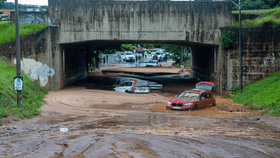


The South African province of KwaZulu-Natal has declared a state of emergency following devastating floods that have claimed the lives of more than 300 people. The tragic disaster has already been called one of the worst weather storms in the history of South Africa.
Locals have blamed poor infrastructures and low-lying poorly-built buildings, with officials stressing that the magnitude of the storm was unprecedented.
Scientists have just released an analysis of storms in the region, focusing on neighboring Mozambique, as well as Madagascar and Malawi. The research, published by World Weather Attribution, highlights how the unfolding climate crisis is making these storms more intense and destructive.
Their findings are closely related to another recently published study that showed hurricanes in the Atlantic are also becoming stronger and increasing in rainfall, due to demonstrably human-made climate change. The increase in storm intensity puts those already at risk in some countries at even more risk. Inequalities and vulnerabilities are heightened by extreme weather crises as often those most likely to experience them are less likely to have the funds, influence, or infrastructure to be able to deal with them.
"This study confirms what Red Cross and Red Crescent volunteers have been saying for a long time, that the rains have changed. They are more intense and there is less time for people to recover before the next disaster hits," Roop Singh, from the Red Cross Red Crescent Climate Centre and a co-author of the South Africa study, said in a statement.
"We need to invest in the infrastructure, systems, and people who are most vulnerable so that they can withstand stronger storms and compounding risks."