


 Nature
 PUBLISHED



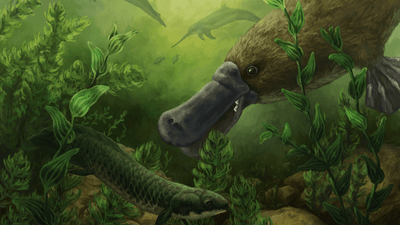


Take a trip with me 25 million years into the past. We’re going for a swim in one of central Australia’s slow-flowing rivers and lo! What’s this? It’s a whopper of a platypus, and it’s got teeth.
Look into the mouth of a modern-day platypus and you won’t find any gnashers. Not unless you’ve nabbed yourself a hatchling (put it down, you brute) that has vestigial teeth it will soon lose. As adults they use small horny pads to chew their food, but it wasn’t always like that.
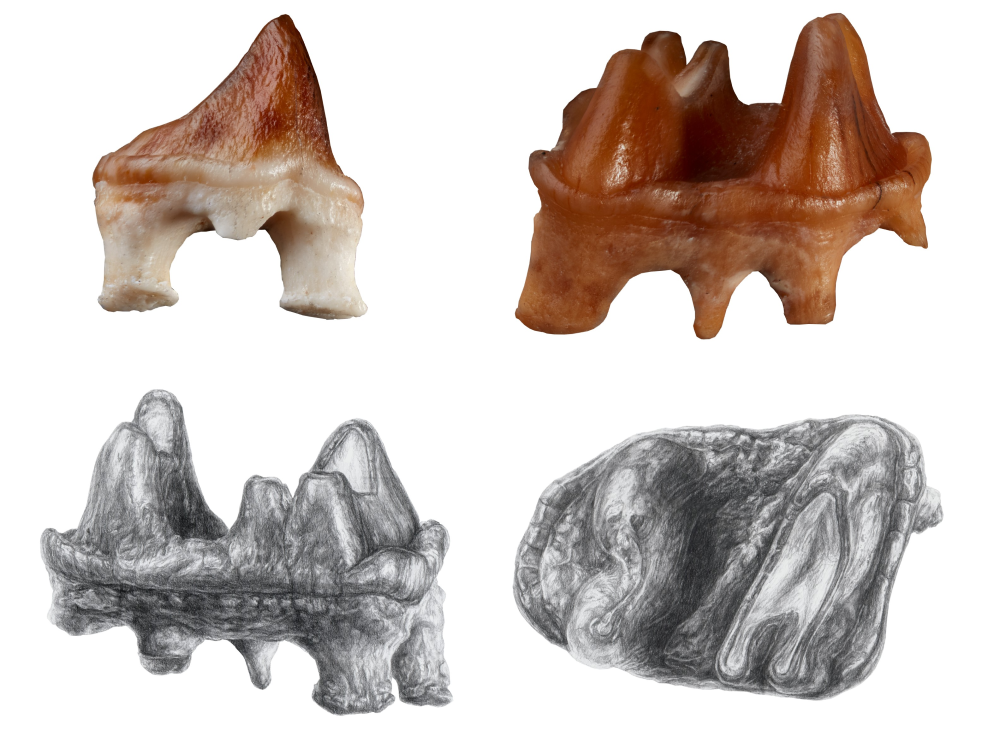
Just ask the oldest platypus known to science: Obdurodon insignis. A recent paper describes well-preserved fossils of this species that show it had well-formed teeth when it lived in the Late Oligocene around 25 million years ago. A rare snapshot in time scientists were incredibly lucky to find.
“Platypuses are extremely rare in the fossil record and are often restricted to teeth, so it’s exciting to find new material and learn more about these unique mammals,” said study author Aaron Camens in a statement. “The new material includes the first premolar, an important tooth in front of the molars.”
Finding the fossils involved over two decades of expeditions to an outback desert location east of the mountains of Flinders Ranges. Here, a team from Flinders University were able to observe what the eroding rocks revealed of Australia’s “lost world”.
It sounds like a lot of effort for a grand total of three fossils of a toothed platypus, but littered between those finds were thousands of terrestrial vertebrates and millions of fish bones. The diversity of fossils reflects the rich ecosystem that once thrived here, made of tree-dwellers like koalas and possums, and terrestrial critters like sheep-sized marsupials, skinks, and frogs.
In the water were numerous fish and even a few mammals. The Flinders team found the teeth and bones of a small ancient dolphin that roamed the waters, one we now know was swimming alongside an unusual platypus not unlike those alive today (even if it was twice as big).
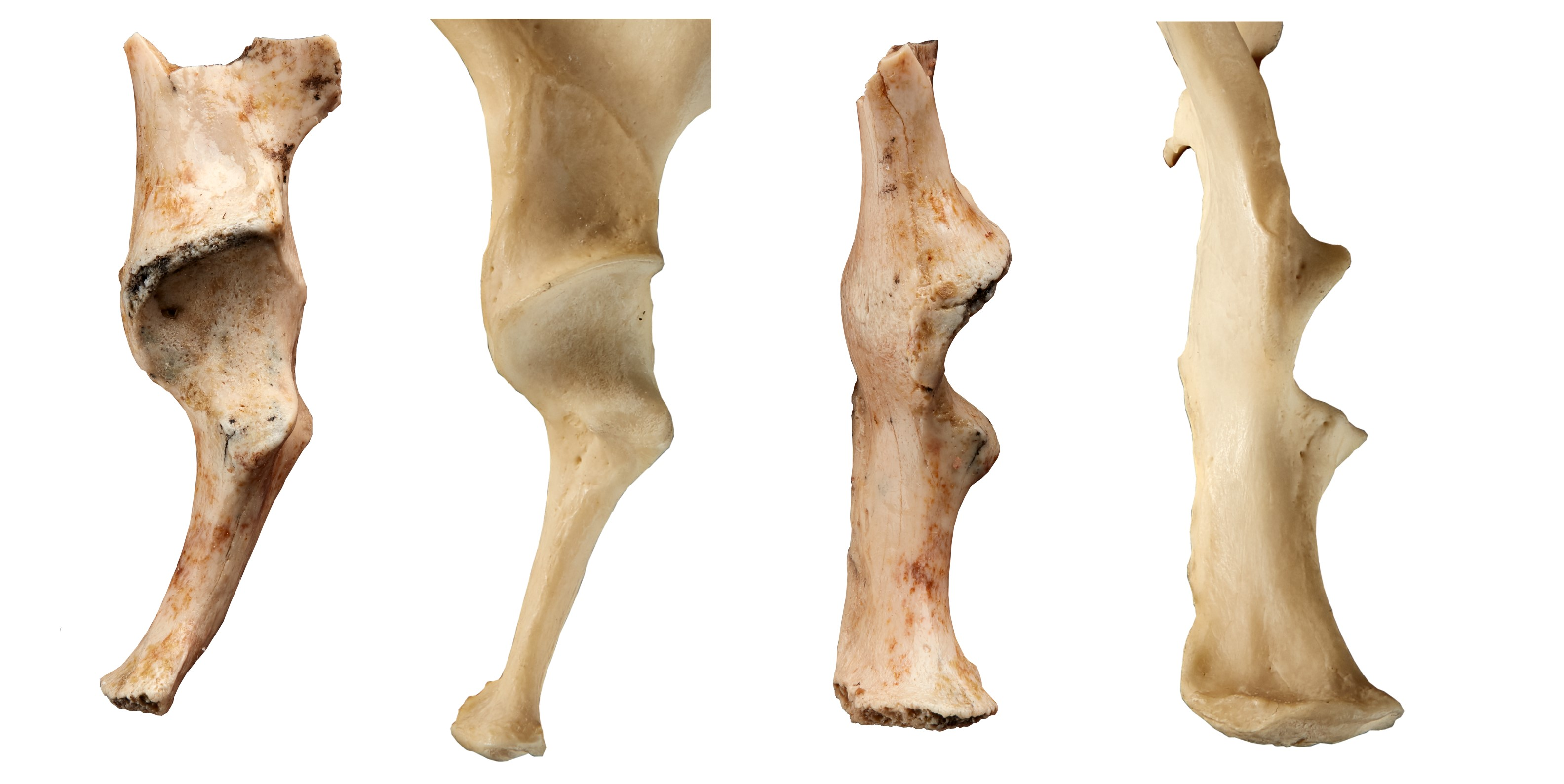
“The other rare find was the discovery of a partial scapulocoracoid, or bone that supports the arm or front limb,” added Trevor Worthy, also at Flinders University. “This reveals a very similar forelimb structure to the modern platypus, indicating it could swim just as well as its modern descendant.”
“These fossils show that 25 million years ago Obdurodon insignis was very similar to the modern platypus. It differed mainly by being slightly larger and having teeth.”
The study is published in the journal Australian Zoologist.



 1
1