Health and Medicine
 PUBLISHED
 1
1





Dissociation has made it into the meme hall of fame, appearing in innumerable posts about situations in which we might feel overwhelmed to the point of mentally escaping somewhere else. It’s a clinical term, however, and one that a range of experts say is misrepresented and misunderstood, with potentially harmful consequences.
“Dissociation is as common as other serious mental health difficulties, yet remains one of the most misunderstood and under-recognised experiences in mental health care,” explain Helena Crockford, Melanie Goodwin, and Paul Langthorne, the editors of a new guide for clinicians that explores dissociation with contributions from over 100 experts.
“Dissociation is currently best understood as an adaptive defence to overwhelming trauma. It represents an automatic, reflexive evolutionary response to threat, serving to protect the person by reducing their awareness of intolerable (traumatic) experience.”
Dissociation as a form of protection
Dissociation can be beneficial to an extent as a kind of survival mechanism. It helps people navigate traumatic situations by enabling them to mentally step away from the overwhelming event and process their emotions later. Some anesthetics bring about a dissociative state, for example.
This is why some people can be unusually calm following a stressful incident like a car crash. Dissociating allows them to react and respond without emotionally attaching to the situation. It doesn’t mean they aren’t affected by what happened.
Where dissociation becomes more complicated as a survival mechanism is in the sliding scale of experiences, and how it can develop over time into an identity disorder.
“Dissociation can involve a wide array of experiences, from mild to severe, from temporary to chronic,” say the editors. “However, for people who have experienced overwhelming trauma, often early in life and without a secure attachment to create safeness, more chronic patterns of severe dissociation may develop over time that become entrenched and problematic.”
Dissociative identity disorder
Previous research has shown that dissociative identity disorder – the most severe form of dissociative experience – affects between 1.1 and 1.5 percent of the general population. It causes people to experience different “alters”, separate identities that can exhibit distinct memories, behaviors, and even speak different languages.
More common expressions of dissociation include having an out-of-body experience where you feel detached from yourself, or sensing that the world around you isn’t real. It’s easy to see, then, how what started out as a form of protection can develop into a life-altering condition.
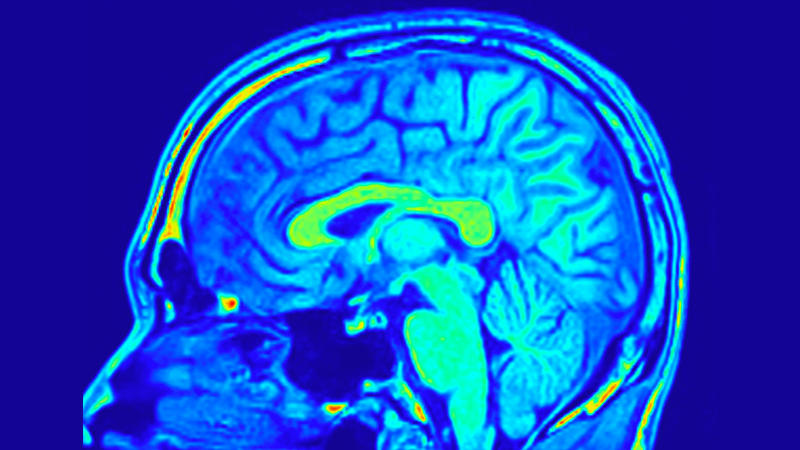
A key misunderstanding the book aims to address is that dissociation is “made up” or put on by the person experiencing it. This is refuted by evidence that it can have psychological and physiological origins, such as neuroimaging studies that have shown how people with dissociative disorders exhibit distinct brain activity patterns.
From its portrayal in Hollywood, to misrepresentation online, there’s a lot of confusion about dissociation and how it differs from everyday experiences like daydreaming or getting overwhelmed. By sharing the experiences of experts and people living with dissociative disorders, the editors hope this new publication will challenge people and clinicians to rethink their understanding of dissociation.
“Efforts to improve the ability of services to realise, recognise, and respond to trauma-related dissociation will help to benefit not just people who experience trauma-related dissociation but also their families, social networks, and society,” they said.
Working with Dissociation in Clinical Practice is published by Taylor & Francis.