Nature
 PUBLISHED


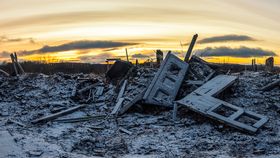


In the unfortunate (and, hopefully, still unlikely) event of a full-scale nuclear war, the devastating blasts would only be half the problem. After the mushroom clouds drift away, it’s believed that the smoke, carbon, and dust that is dispersed from the explosions would rise into the stratosphere. This could blacken the skies, reduce Earth’s surface temperature and thin the ozone layer, in what is known as a “nuclear winter.”
They are about as fun as they sound. In 2006, the American Geophysical Union released a study that found even a small-scale, regional nuclear war could trigger a nuclear winter and “devastate” the global climate for at least a decade, wreaking havoc on our seas, air, and soil.
This new video from Life Noggin explains what exactly would happen to civilization and asks if humanity could make it through such an event.
Although the US and the USSR detonated thousands of nuclear bombs during the Cold War, we now have an estimated 15,000 nukes stored up across the world, under the control of numerous nations. Let's keep those fingers crossed (and off that red button).