Technology
 PUBLISHED
 2
2





The giant steel dome that encloses the ruins of the Chernobyl nuclear plant in Ukraine has suffered “significant structural damage” after a drone strike in February and is no longer fit for purpose, according to an update from the UN’s nuclear watchdog.
The International Atomic Energy Agency (IAEA) recently deployed extra staff to evaluate the condition of the so-called New Safe Confinement (NSC), the protective structure that was built over reactor 4 at the Chernobyl Nuclear Power Plant.
Completed in 2016, the shelter was designed to seal off the site of the 1986 Chernobyl meltdown and contain the remaining radioactive material, which is quietly flickering away like the smoldering “embers in a barbecue pit.”
In the early hours of February 14, 2025, the structure was struck by a drone, sparking a fire. Fortunately, no radioactive material was released into the surrounding environment, but the IAEA said the strike did lead to “significant structural damage,” which means the shelter has “lost its primary safety function.”
“Limited temporary repairs have been carried out on the roof, but timely and comprehensive restoration remains essential to prevent further degradation and ensure long-term nuclear safety,” Rafael Mariano Grossi, Director General of the IAEA, said in a statement.
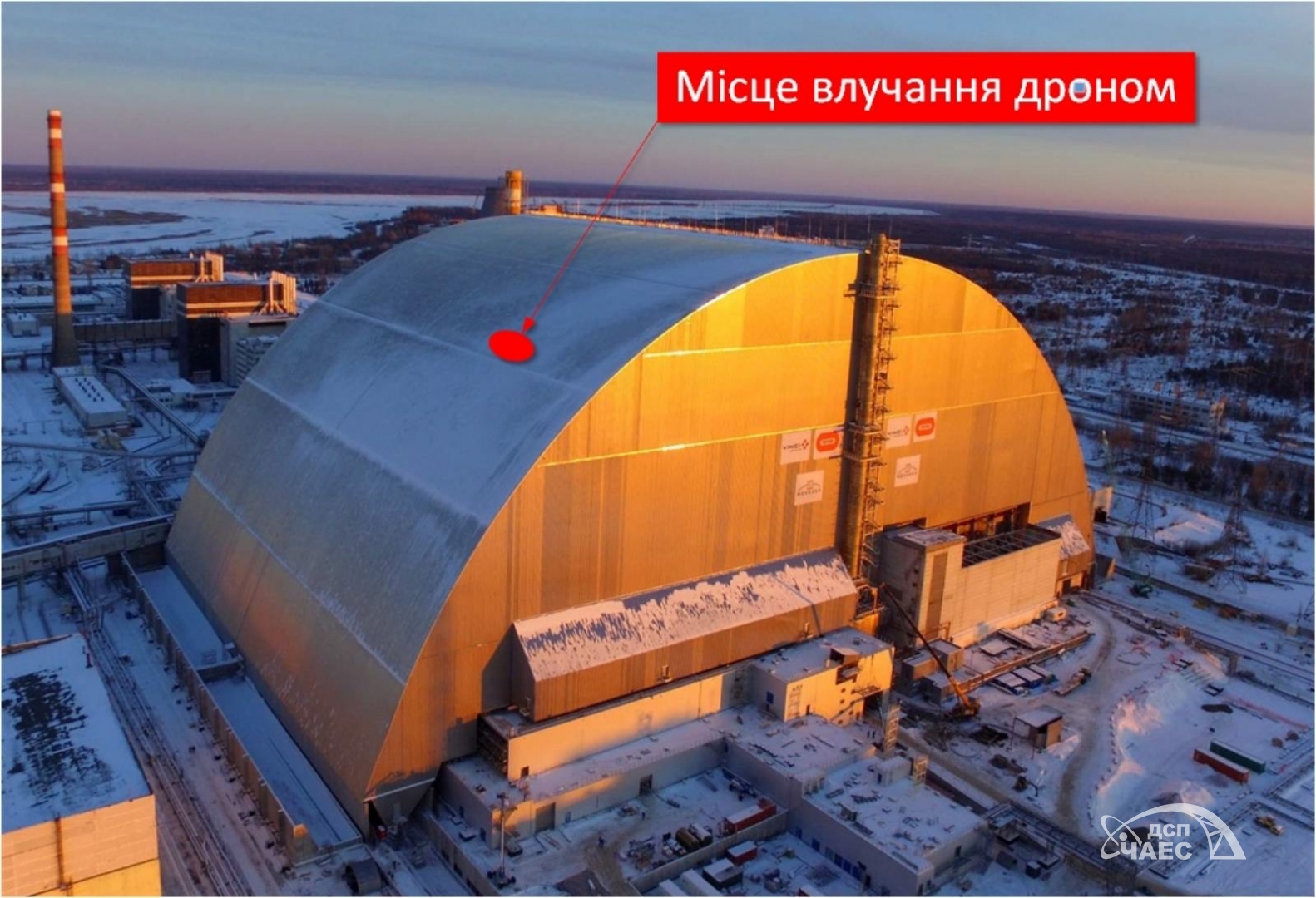
“The IAEA – which has a team permanently at the site – will continue to do everything it can to support efforts to fully restore nuclear safety and security at the Chornobyl site,” Grossi added.
The incident was part of the ongoing Russo-Ukrainian war, which started in 2014 and ramped up in February 2022 when Russia launched a full-scale invasion of Ukraine. Ukrainian authorities blamed Russia for the February 2025 drone attack, while Moscow has denied any responsibility. The IAEA has not directly attributed the incident to either side of the conflict.
As part of the war, the Russian military has been keen to disrupt the electrical grid of Ukraine. This has been concerning to the IAEA, which monitors nuclear safety worldwide, as the country's energy infrastructure includes three operating nuclear power plants: Khmelnytskyy, Rivne, and South Ukraine.
There is also the Zaporizhzhya Nuclear Power Plant, which was seized by Russian forces in 2022 and continues to be surrounded by gunfire.
“At the Zaporizhzhya Nuclear Power Plant (ZNPP), IAEA staff present at the plant has reported hearing military activity daily, often very close to the plant. On some days, the team reported hearing explosions and gunfire roughly 20 times – sometimes much more,” the IAEA said in a statement on November 27, 2025.