Technology
 PUBLISHED
 1
1


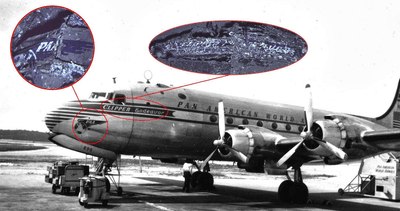


For a metal tube gliding through the sky at 12,200 meters (40,000 feet) with dozens of humans strapped inside, commercial air travel is incredibly safe. And part of that surprisingly solid track record can be credited to a plane that was recently discovered at the bottom of the Atlantic.
The search for Pan Am Flight 526A
Seabed-scouring researchers have located the wreckage of Pan Am Flight 526A more than 74 years after it crashed off Puerto Rico's coast in a shocking incident that sparked major reforms in commercial aviation.
The metallic skeleton was discovered using high-resolution sonar on June 2, 2026, around 600 meters (2,000 feet) under the Atlantic Ocean off the back of a years-long investigation led by Air/Sea Heritage Foundation (ASHF) in partnership with Discovery Channel and Deep Sea Vision, an eco minerals company.
The search began in 2019, when historian Russ Matthews, president and co-founder of the Air/Sea Heritage Foundation, first started digging into the case. Matthews had previously appeared on Discovery Channel's Expedition Unknown for an episode covering the search, which aired in October 2024.
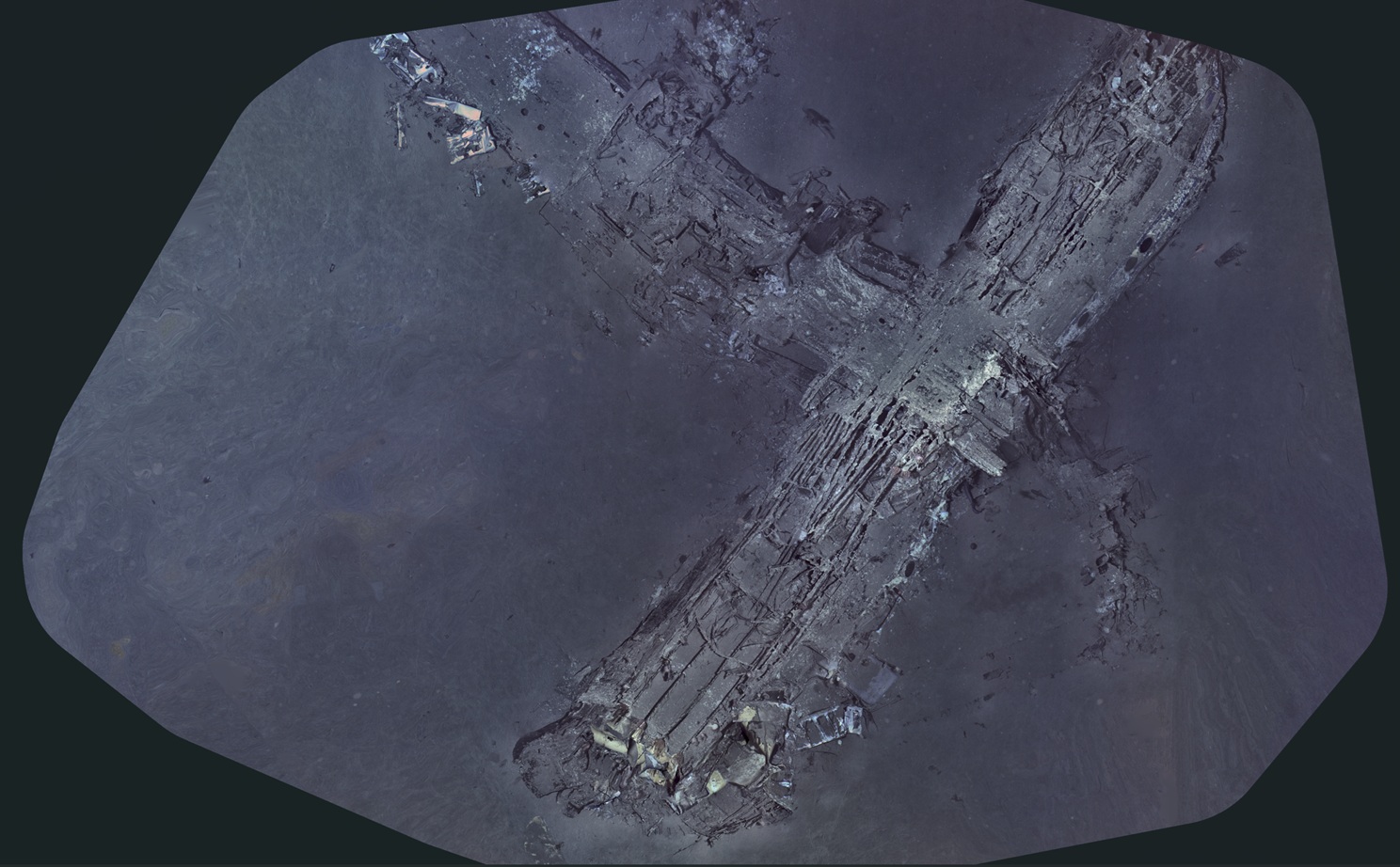
A breakthrough came several weeks ago when the research vessel Fugro Brasilis, passing through the area en route from Trinidad to the Gulf of Mexico, agreed to stop off the coast of San Juan to help out. The ship was keen to make a pitstop because they had an extremely helpful companion onboard: one of the world's most advanced autonomous underwater vehicles.
Armed with multiple sensors, the sub scanned a huge portion of the target seabed, generating the data that led to a follow-up expedition and, ultimately, the extensive subsea search that found the wreck.
The final moments of Pan Am Flight 526A
The plane’s ill-fated flight took off just after midday on April 11, 1952, from San Juan’s Aeropuerto de Isla Grande, bound for New York’s Idlewild Airport (now called John F. Kennedy International Airport).
It was a Douglas DC-4, a four-propeller aircraft roughly the size of a modern Boeing 737, named Clipper Endeavor, carrying five crew members and 64 passengers.
Shortly after takeoff, the plane suffered multiple engine failures and lost the ability to stay airborne, forcing the pilot into a violent emergency water landing.
Remarkably, everyone aboard survived the impact itself. However, with no coordinated evacuation procedure in place, panic and confusion spread as rough seas began pulling the aircraft under the waves.
The US Coast Guard and Air Force reached the scene quickly, but only 12 passengers and all five crew members could be rescued from the water in time.
A total of 52 people lost their lives. Investigators later suggested that many of the victims had died after refusing to leave the sinking cabin, too frightened by the rough seas to move toward the life rafts.
Why is Pan Am Flight 526A so important?
The crash sparked some serious conversations about air travel safety. Above all, the Civil Aeronautics Board, a forerunner of today’s FAA, implemented sweeping reforms that included preflight safety briefings and emergency procedure demonstrations that are now mandatory on all public flights.
In other words, the "your emergency exits are located here, here, and here" talk you hear before every takeoff exists, at least in part, because of this incident.
“Every time you step onboard an airplane today, you are safer because of what happened to Clipper Endeavor and her passengers three quarters of a century ago,” Josh Gates, an explorer with Discovery Channel’s Expedition Unknown, said in a statement.
“This aircraft vanished beneath the waves, and the legacy of those aboard was at risk of being lost with it. When the images came back from the AUV, we all gasped. Seeing the bright aluminum fuselage shining back at us from the ocean floor was a hugely emotional moment,” Gates added.
The group is now working with the government of Puerto Rico to ensure better protections for the wreck site, and they're pushing for a physical memorial to honor the people who lost their lives.
“I hope this historic discovery brings some peace to the families of those aboard and serves to remind the flying public today of the debt of remembrance we owe to this fateful flight,” said Gates.
The full story behind the wreck’s discovery will be featured in an episode of Discovery Channel’s Expedition Unknown later this year.