Nature
 PUBLISHED
 5
5


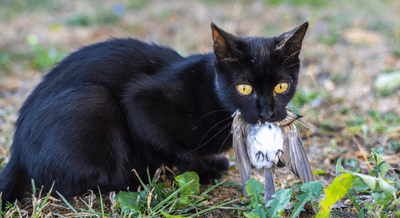


Cats have a reputation for being fussy eaters, but scientific research suggests quite the opposite. Far from being picky and particular, domestic and feral cats are among the most versatile and indiscriminate predators on Earth.
A 2023 study by researchers at Auburn University revealed that free-ranging cats consume at least 2,084 different animal species. This staggering figure makes their diet one of the most varied and diverse of any predator on the planet.
The smorgasbord of species includes around 9 percent of known birds, 6 percent of known mammals, and 4 percent of known reptiles, not to mention a fair few insects and amphibians.
“Our study sheds light on the predatory habits of one of the world’s most successful and widely distributed invasive predators. To our knowledge, this study is the most comprehensive global synthesis of cat diet to date, and possibly the largest for any species worldwide,” the study authors write.
“Our findings demonstrate that cats are indiscriminate predators and eat essentially any type of animal that they can capture at some life stage or can scavenge,” they add.
To reach these findings, an international team of scientists scanned through over 500 previous studies that detailed the diets of cats and compiled the data together.
Some of the largest animals they found evidence of cats eating included emu, green sea turtle, and domestic cow (which presumably they scavenged, we hope). In a similarly impressive feat, scientists have previously observed a single cat devouring an entire kangaroo body.
This is interesting information for cat-lovers, but it’s not great news for the conservation of other species. The study estimated that up to 347 (16.65 percent) of the species preyed upon by cats are of conservation concern, and the percentage of threatened prey species is significantly higher in island ecosystems.
In New Zealand, for example, research in the 1970s found that feral house cats were implicated in the extinction of at least six endemic bird species and over 70 localized subspecies.
“The high representation of species of conservation concern in cat diets (16.65 percent) is worrying given that cats have already been linked to 26 percent of bird, mammal, and reptile extinctions globally, and are recognized as major threats to many extant threatened species,” the study authors continued.
Along with the variety of their diet, the sheer number of animal deaths is also striking. Another study in 2022 estimated that pet cats kill between 160 to 270 million animals each year in the UK alone. Down under, cats are responsible for the deaths of up to 650 million reptiles in Australia annually.
It’s no surprise that some regions have taken action against cats to protect their native wildlife. In 2021, an eastern suburb of Melbourne in Australia introduced a "24-hour cat curfew" that ordered pet owners to keep their cats inside at all times
So, next time Mittens is curled up on your lap, purring away, don’t forget that you’re in the presence of a cold-hearted killer – and a considerable threat to conservation.
An earlier version of this article was published in December 2023.