Health and Medicine
 PUBLISHED
 1
1


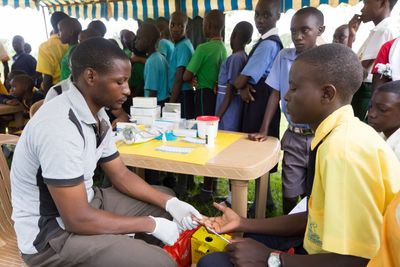


A malaria vaccine has been developed by the University of Oxford and it may soon be coming to areas that need it most, following promising clinical trial results that surpass the WHO-required 75 percent efficacy. The scientists say they have already secured a deal that will allow them to manufacture 100 million doses of the vaccine each year, according to the BBC, and believe that it is now possible for the world to “end child deaths from malaria in our lifetimes”.
The Phase 2b trial followed up on a previous trial carried out in 2021 in west African children, which demonstrated the vaccine had 77 percent efficacy over 12 months. The latest trial, published in The Lancet Infectious Diseases, delivered a booster dose one year later to 409 participants and reported an 80 percent efficacy in the higher dose group and a 70 percent efficacy in the lower dose group.
R21/Matrix-M, the catchy name for the vaccine against Plasmodium falciparum created by the University of Oxford, is an anti-sporozoite antibody vaccine that targets the first stage of the malaria pathogen as it enters the human body.
It is part of a pilot program delivering the vaccine to people in Africa, and hopes to dramatically change the landscape of the disease, which saw 627,000 people die in 2020. Africa accounted for 96 percent of these deaths, and despite widespread efforts in personal protection, mosquito control, and anti-malarial drugs, areas with less access to healthcare continue to suffer.
The vaccine will now move to Phase 3 trials and the scientists hope the results of the 4,800-strong trial, which should be published by the end of the year, can carry through into widespread deployment next year.
“We are delighted to find that a standard four dose immunisation regime can now, for the first time, reach the high efficacy level over two years that has been an aspirational target for malaria vaccines for so many years,” said Professor Adrian Hill, the University of Oxford’s Director of the Jenner Institute and co-author of the paper, in a statement.