Health and Medicine
 PUBLISHED


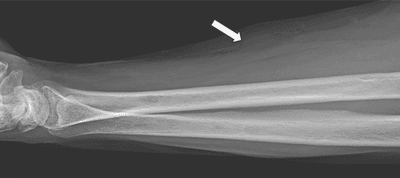


A woman with a rapidly growing cancerous tumor has gone into remission after undergoing a biopsy while receiving no other treatment. The bizarre result has baffled doctors, leading them to believe that the biopsy may have triggered an immune response that attacked the cancer.
The 59-year-old woman had originally noticed a lump in her right forearm that was growing quickly and causing her some pain. Two weeks later, she saw a doctor who recorded its size as being around 2 centimeters (0.7 inches) wide. It was firm, palpable, and semi-mobile. Subsequent magnetic resonance imaging (MRI) scans reaved that it was a sarcoma – a type of cancer that develops in the connective tissues of the body.
Dr Rohit Sharma at Marshfield Clinic Health System in Wisconsin and colleagues decided to biopsy the lump. This involved inserting a fine needle into the mass and extracting a small core of tissue for analysis. They confirmed that the tumor was a myxofibrosarcoma, an aggressive soft tissue sarcoma that is most common among older people between 60 and 80.
This cancer was likely to spread and could be deadly. As such, the doctors arranged for the woman to return two weeks later to have it removed. However, something strange had happened in the intervening period: the tumor vanished.
“She said that after the biopsy, it had started to go down within three [to] four days,” Dr Sharma told New Scientist.
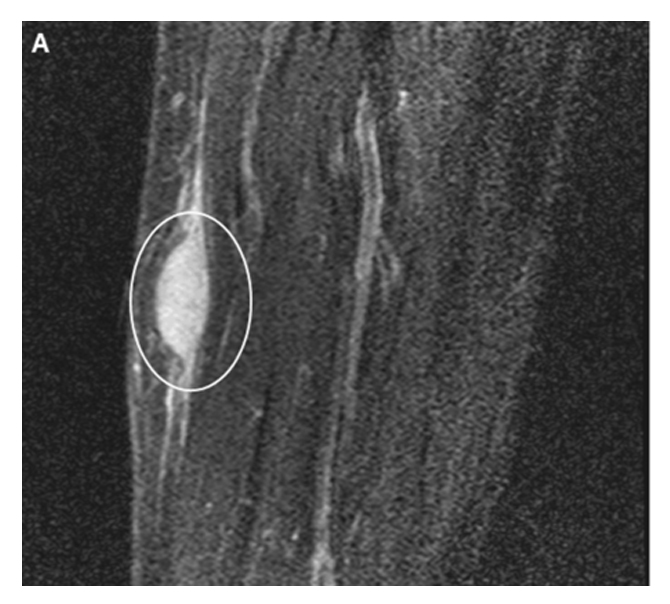
Despite this disappearance, the doctors decided to surgically excise the surrounding tissues just in case. This is a common medical procedure used to remove abnormal or diseased tissues and involves cutting out any lesions along with a margin of healthy tissue to make sure everything has been removed. Further analysis confirmed that the cancer had indeed disappeared, leaving no detectable viable cancer cells behind.
Sharma and colleagues believe this example of spontaneous regression was the result of an immune reaction being produced by the biopsy itself. Although it is extremely rare, it is not completely unheard of. An examination of the medical literature identified 32 published studies that describe the same number of unique cases of spontaneous regression in sarcoma, with diagnostic biopsy being the leading identified trigger (25 percent) in these cases.
It is believed that the biopsies may kill some cancer cells, releasing inflammatory signals that alert natural killer cells, rapid-response lymphocytes in our immune system that detect and destroy virally infected cells and early-stage cancers. These cells quickly find the tumor and kill it off within hours or days of detection. This could then release more proteins from the tumor that act as another alert for the immune system, allowing T cells – a type of white blood cell – to recognize and destroy cancer cells more effectively.
This type of remission is not common, so it is likely that genetic or environmental factors influence the response in those rare few who do experience it. This is a subject for further research, but understanding how it occurs could help improve our general approach to cancer therapies.
“We report a case of complete pathological regression following biopsy, adding to a growing body of evidence that mechanical perturbation can trigger effective anti-tumor immunity,” the team conclude in their paper.
“However, given the aggressive nature of sarcomas and the potential for residual microscopic disease, the observation of [spontaneous regression] should not deter clinicians from pursuing definitive surgical resection to ensure oncologic safety.”
The study is published in Cureus Journal of Medical Science.


 1
1