Health and Medicine
 PUBLISHED
 1
1


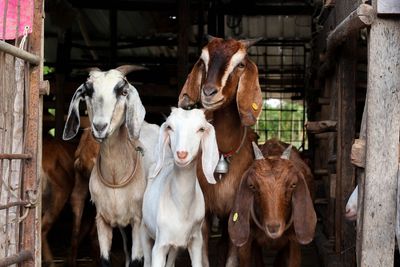


At least 19 people have tested positive for Q fever this year in Rostov Oblast, a Russian region that borders Ukraine, according to state-affiliated media RIA Novosti. While the farm-animal-born infection can often be harmless to humans, it can cause serious problems for a significant portion of people.
“This year, 19 laboratory-confirmed cases of coxiellosis [Q fever] have been registered in the Salsky and Remontnensky districts of the Rostov region… The last time this disease was recorded in the region was in 2001-2002,” Svetlana Nenadskaya, head of the epidemiological surveillance department of the regional Rospotrebnadzor, told RIA Novosti.
Q fever is a bacterial infection caught from infected farm animals such as sheep, cattle, and goats. It's often picked up by humans by contact with infected animal blood, poop, urine, and fur. As such, it's most often seen in people who work with animals, like farmers and vets. People with weakened immune systems are also at a heightened risk.
People can fall sick with Q fever by consuming unpasteurized milk and other dairy products. It’s also a bacteria that are considered a potential agent for a bioterrorism attack.
The infection is caused by the bacteria Coxiella burnetii. Many people with the infection will not show any signs of illness, but some will resent with flu-like symptoms a couple of weeks after exposure. It’s estimated that about half of the people with Q fever will experience flu-like symptoms, and 40 percent of them will require hospital care.
Some infected people die, while others will suffer complications such as infection of heart valves (called endocarditis) or long-term chronic fatigue syndrome disorders.
Q fever is a problem for agriculture workers all around the world, but Australia is the only country where a Q fever vaccine is available to those working in the livestock industry. In the US, 178 acute Q fever cases were reported in 2019, as well as 34 chronic Q fever cases, according to the CDC.