Nature
 PUBLISHED
 1
1



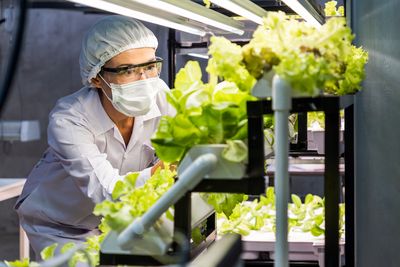


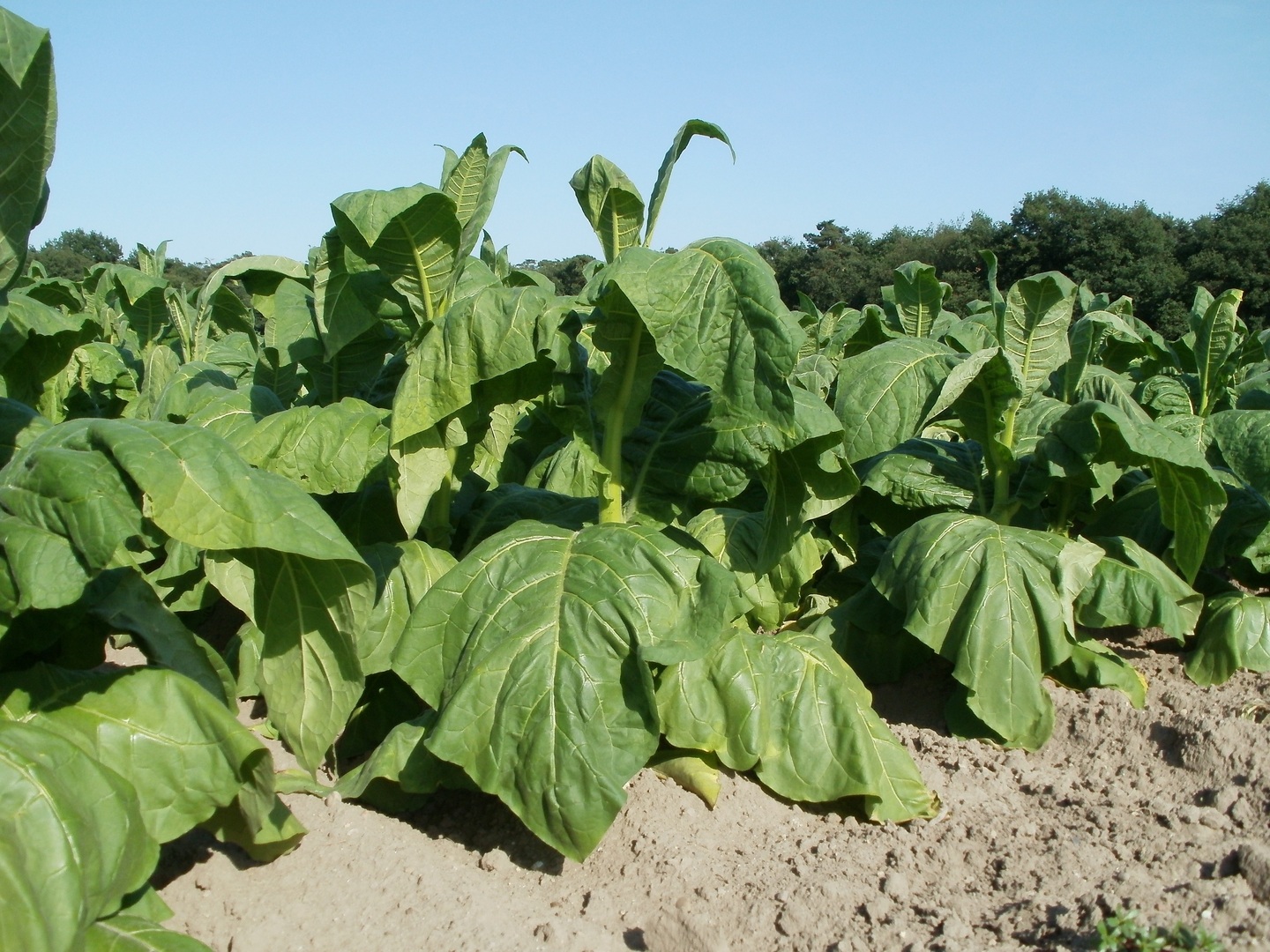
The gene that produces myoglobin, an important component of animal muscles, has been engineered into plant cells. The first success was in tobacco plants, but, presumably realizing high-protein cigarrettes are a niche market, the team responsible quickly moved on to lettuce.
Meat production, particularly from beef, is one of the most environmentally damaging industries on Earth, accounting for around half of all emissions from the agricultural industry (which itself has comparable emissions to burning fossil fuels for transport and electricity).
Despite this, the taste, protein content, and cultural staying power of meat appear to have kept vegetarian numbers low. An IPSOS survey of people in 28 countries in 2018 found only 8 percent identified as vegan or vegetarian.
Dr Alexia Groff at Imperial College London and her colleagues decided that one way to tackle this issue was by transplanting some of the protein and flavor associated with meat into plants. The team started off with tobacco, not with an intent to get more people smoking, but because the tobacco plant has been a mainstay of genetic modification for decades.
Groff cloned myoglobin genes derived from pigs and shot copies of it into chloroplasts, the parts of plant cells responsible for photosynthesis, using a “gene gun.” Enough chloroplasts integrated the gene into their limited DNA to produce substantial quantities of the protein.
Having demonstrated their proof of concept, Groff's team switched to lettuce. When the myoglobin-expressing plants were grown and harvested, their leaves were 0.08 percent myoglobin by dry weight or about one-tenth to one-fourteenth of the proportion in a steak.
That may not sound too impressive, but meat production is very inefficient compared with vegetable crops, since herbivores consume far more than their body weight in vegetable matter.
Consequently, the authors write: “Plant-derived myoglobin could achieve protein yields per hectare that rival – or even potentially exceed – those of animal agriculture, while also benefiting from substantially lower water use and greenhouse gas emissions.”
The team also tried to carry myoglobin genes into tobacco and lettuce’s nuclear genome using viruses, but the results were less encouraging. An effort to insert cow myoglobin genes into green algae also produced lower yields.
"Due to their bacterial ancestry and their high number of copies per cell, chloroplasts are generally much better at making large amounts of protein than the cell nucleus,” Groff said in a statement.
"Here we show that plants can be engineered to produce the animal protein myoglobin (Mb) in their chloroplasts, the energy factories for photosynthesis. This could provide a more sustainable way to produce an important ingredient for plant-based meat products.”
While there is far more to muscle than myoglobin, this protein is rich in iron and contributes to the flavors and even the color people love in meat. For that reason, Groff suggests it could be purified and added to other foods, where it might offer health benefits and reduce cravings.
"Since it is identical to animal myoglobin, it could then be added as an ingredient to plant-based meat products,” said Groff.
Whether the hoped-for improvements in “color, flavor and nutritional value” will offset concerns about overprocessing in plant-based products remains to be seen, and it's clear that a product like this faces a myriad of other technical and consumer obstacles.
For example, the tobacco-leaf myoglobin showed much lower binding to the iron-carrying molecule heme than myoglobin from genetically modified bacteria, although the authors couldn't work out why.
The greatest obstacle the work may face before hitting the shelves is that many people have beef with the whole idea of genetic engineering of food. That said, this method addresses one aspect of those concerns because the chloroplast insertion means the gene is unlikely to escape into wild crops via crossbreeding.
The study is open access in Frontiers in Plant Science.