Health and Medicine
 PUBLISHED


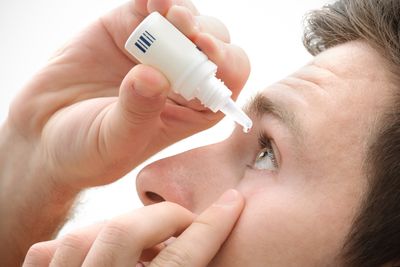


The Centers for Disease Control and Prevention (CDC) has issued an alert advising to stop using EzriCare Artificial Tears eye drops after the product was linked with an outbreak of drug-resistant Pseudomonas aeruginosa bacteria. As of January 31, 55 people are known to have been infected across 12 US states. Some have suffered permanent vision loss, and it’s been reported that one person has sadly died.
P. aeruginosa is a Gram-negative bacterium that naturally occurs in soil and freshwater. It’s considered an opportunistic pathogen: it rarely causes disease in otherwise healthy individuals but can pose a threat to patients with weakened immune systems, such as those with cystic fibrosis. Due to its aptitude for forming biofilms on solid surfaces, P. aeruginosa is particularly infamous for causing difficult-to-treat urinary tract infections in catheterized hospital patients.
The strain of P. aeruginosa that has been linked with the eye drops is rare, with a combination of genetic mutations not previously seen before in the US. The bug is known to be resistant to multiple classes of antibiotics, meaning there are few options left when it comes to trying to treat an infection.
According to the CDC, most of the patients had used eye drops in the period leading up to their infection. EzriCare Artificial Tears was the only brand of eye drops that could be linked to clusters of cases across four different healthcare facilities, which account for 35 of the 55 reported infections.
Lab tests revealed the presence of the drug-resistant bacteria in bottles of the drops from multiple lots, but it’s currently unclear whether this contamination occurred during manufacturing or after the product had been opened and used.
The 12 states with reported cases so far are California, Colorado, Connecticut, Florida, New Jersey, New Mexico, New York, Nevada, Texas, Utah, Washington, and Wisconsin. Patients have presented with symptoms ranging from inflammation of the cornea (keratitis) and fluids inside the eye (endophthalmitis), to respiratory infections, and, in the case of one patient, a fatal bloodstream infection.
Whilst the CDC has not yet gone so far as to issue a recall of the product, the manufacturer, Global Pharma Healthcare PVT Limited, issued a statement of voluntary recall on February 1. The CDC advises people to stop using the eye drops and to consult with their healthcare provider for advice on alternative products.
If you have been using EzriCare Artificial Tears and you develop symptoms of an eye infection – such as pain/discomfort, redness, discharge, or blurred vision – it's recommended that you seek medical advice immediately.