Nature
 PUBLISHED


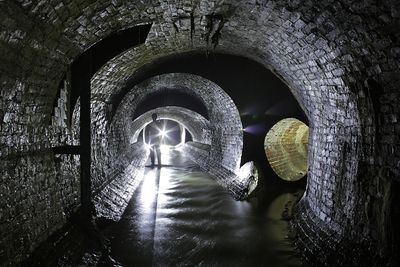


London has a whole other life beneath the surface. Warrens of stations and Tube lines burrow under the streets, weaving between sewers, electricity tunnels, and Roman ruins. But it isn’t just human-made structures that dwell down here. Below the pubs and pavements, there’s an ancient river system that still flows to this day.
The British capital is home to around 21 subterranean rivers, buried beneath roads and buildings during the city’s smoky expansion in the 18th and 19th centuries. Most of these lost waterways feed into the mighty River Thames or the lesser-known River Lea in East London.
Despite the best efforts of Victorian engineers and urban planners, the streams still trickle beneath the pavements, occasionally resurfacing in parks or along quiet backstreets. Others have long since been absorbed into the capital’s vast sewer system.
The largest of the underground rivers is the Fleet. It rises in Hampstead and Highgate in the north and once flowed openly down to Blackfriars Bridge, where it met the Thames.
When the region was home to the Roman settlement of Londinium, the River Fleet was wide and deep enough for small ships to sail upstream and transport goods. The Romans built a bridge across it at a site that would later become Fleet Street, the road that centuries later became synonymous with Britain’s newspaper industry and tabloid hacks.
As the city expanded in the Middle Ages, the River Fleet became an open-air sewer, riddled with industrial waste, human excrement, and animal remains from nearby slaughterhouses. Repeated attempts to clean it up fell flat. After the Great Fire of London in 1666, city planners seized the opportunity to redesign parts of the capital, converting the lower stretch of the river into a canal.
"The area became unpleasant, and the land became cheap," Paul Talling, author of London’s Lost Rivers, told the BBC in 2015.
"The vision was to have canals with arch bridges like Venice," said Talling. "But in reality, the sewage meant it just got clogged up."
Indeed, it continued to kick up a stink. By 1733, authorities made the pragmatic decision to cover the foul-smelling waterway altogether. Over time, the Fleet disappeared beneath brick vaults and paving stones, eventually becoming part of London’s subterranean sewer network.
During the city’s quieter moments, you can still hear its waters flowing. Outside of the Prince Albert pub on Rothbury Street in Camden, there’s a drain cover where the River Fleet can be seen and heard as it runs under Inner London.
There’s also the River Tyburn, which flows down from the Hampstead hills, under Buckingham Palace and Westminster, into the River Thames near Pimlico. Unlike the Fleet, this river had a reputation for being relatively clean. So clean, in fact, it was used for drinking water and salmon fishing.
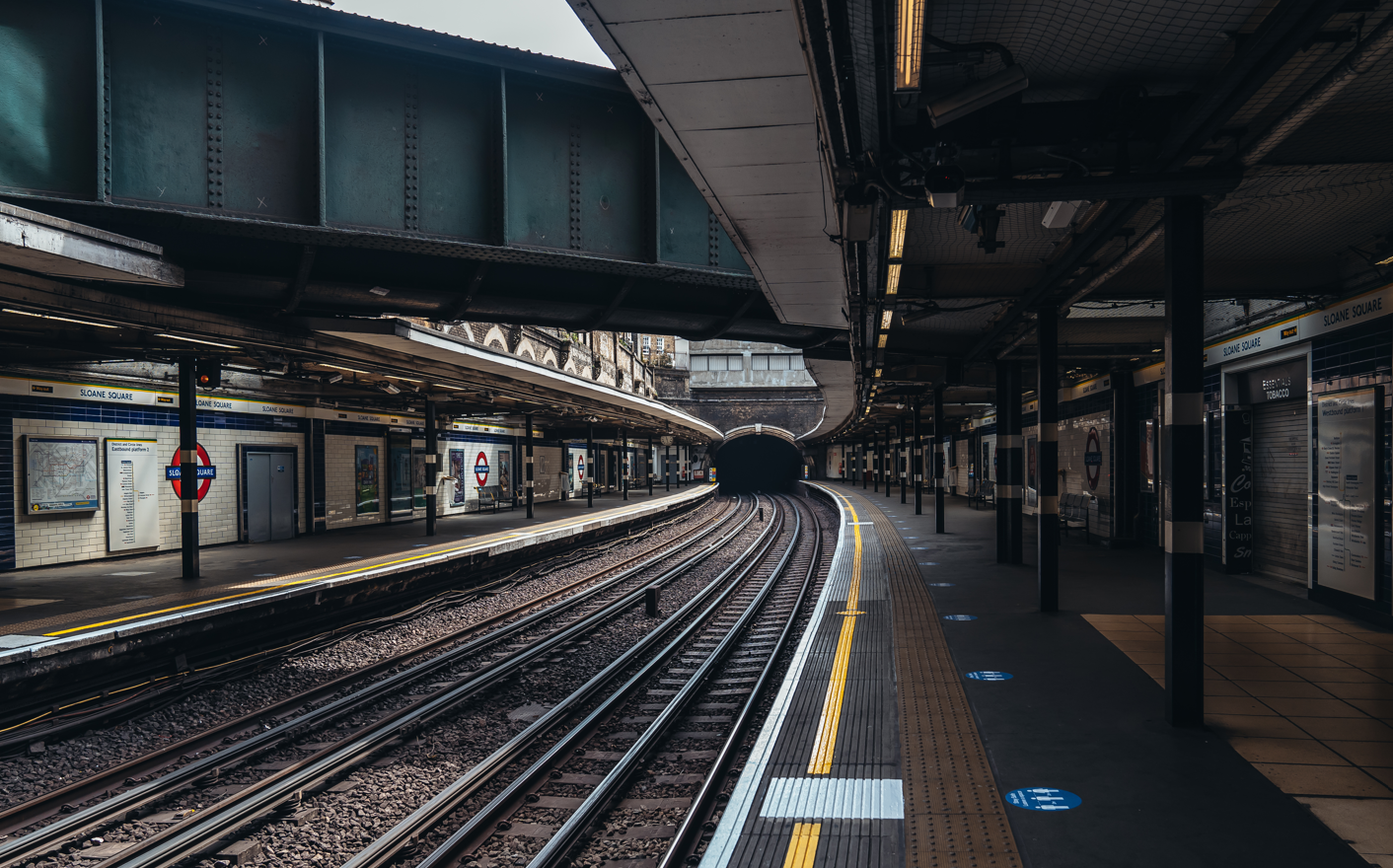
Another interesting one is the River Westbourne. If you stand on the platform at Sloane Square Tube station, look up, and you’ll see a green tunnel going overhead. This contains the River Westbourne. It’s been there since the 1860s, when the station was built, and it even survived air raid damage during World War Two.
In 2012, then-Mayor Boris Johnson unveiled a plan to uncover some of the long-lost waterways in a bid to boost Londoners’ quality of life. The project never came to be. There was later talk of using the rivers as a source of fossil fuel-free heat. This didn’t come to fruition either.
For now, the subterranean lives remain a charming but lesser-known part of London’s history.