


 Humans
 PUBLISHED


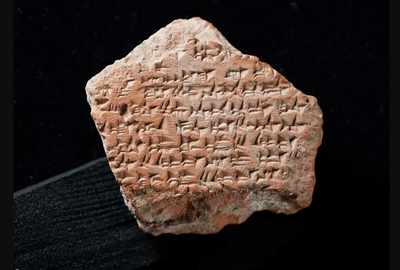


A chunk of the world’s oldest peace treaty has been unearthed at the ancient Hittite capital of Hattusha in modern-day Türkiye.
The discovery was announced by Türkiye’s Minister of Culture and Tourism, Mehmet Nuri Ersoy, on September 21, the International Day of Peace, adding that the spectacular artifact holds a “strong message from thousands of years ago to today.”
Who fought who?
Known as the Kadesh Peace Treaty, the agreement was reached around 1259 BCE by Ramesses II of the Egyptian Empire and Ḫattušili III of the Hittite Empire who had brawled over control of the eastern Mediterranean for more than 200 years.
Deciphering the text and putting together the story has taken decades, but it’s evident the treaty pledges for peace, lasting friendship, non-aggression, territorial integrity, extradition, and fair treatment of refugees.
Two originals of the Egyptian treaty were engraved on the walls of two temples in Thebes, and translated in the early 19th century by Jean-François Champollion, the French scholar known for deciphering Egyptian hieroglyphics.
Parts of Hittite version were found later in 1906 among the ruins of their capital city of Hattusha, now in central Türkiye. The treaty was written in cuneiform, the earliest known writing system, on a series of clay fragments that had broken into bits over the centuries.
An old relic, a new discovery
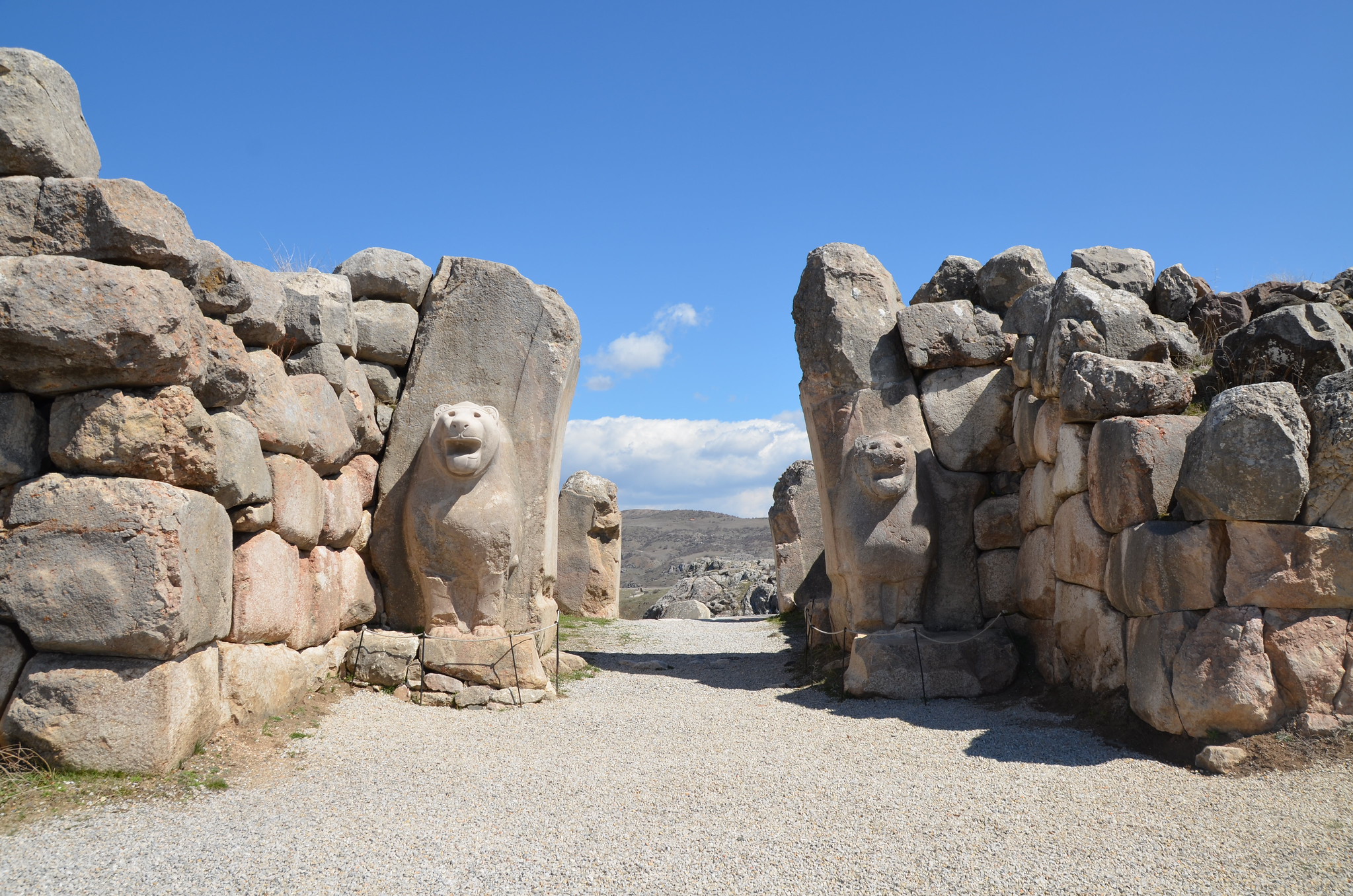
Now, archaeologists have found yet another piece of the tablet during excavations at Büyükkale, the great citadel and royal palace that once stood at the center of Hattusa.
The chunk of clay reportedly describes Articles 12 to 20 of the treaty, relevant passages that explain the treatment of people who fled their country during the conflict and sought refuge in the other.
The "strong message" to today
This, Ersoy says, holds a timely message for the tumultuous era of the 2020s.
“We have found traces of peace dating back thousands of years in the soil of Anatolia,” Ersoy said in a social media post.
“The new piece contains lines from its provisions regulating the treatment of people taking refuge from one country to another. Testimonies about not destroying people's homes carry a strong message from thousands of years ago to today,” he added.
The Culture Minister’s statement reflects Türkiye’s growing ambitions to become an international peace broker. In the past few years, the country has played a pivotal role in negotiations between Russia and Ukraine, Israel and Palestine, and the Syrian Civil War by positioning itself as a “third voice” at the crossroads of Europe and Asia.
Over 3,000 years have passed since the Kadesh Peace Treaty and much has changed, but humans are still ultimately grappling with the same problems, often fighting over the same old things.


 7
7