Nature
 PUBLISHED
 7
7


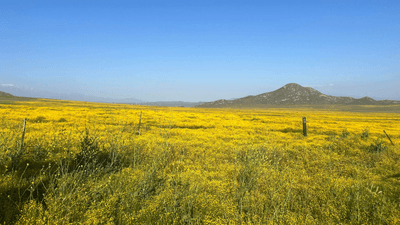


The Apocalypse Bingo card for 2023 has so far featured a lot of monstrous blobs. First, the stinking sargassum blob came for Florida and now an invasive (and whiffy) weed is engulfing the Sonoran Desert in Arizona. The odorous carpet is made up of the aptly named “stinknet”, and it’s bad news for humans, plants, and wildlife.
The invasive weed in question is Oncosiphon pilulifer, which comes in a deceiving shade of happy-days-yellow despite spelling doom for native ecosystems. It originally hails from South Africa and nobody’s quite sure how it traveled over to the US, but it’s becoming increasingly apparent that it’s very at home here.
“Maricopa County is heavily infested now,” Michael Chamberland told High Country News. The botanist is from the University of Arizona and has being studying stinknet in an effort to get ahead of the spread. “Stinknet’s coming up through cracks in the sidewalk and now working its way down the I-10 corridor.”
Its capacity to spread is helped along by its seeding method that sends thousands into the air to drift, land, and often choke out neighboring plants. The vast swathes then become a fire hazard as they dry out, connecting fragmented patches of native greenery to create one large wildfire hazard that can devastate wildlife, the environment, and put human lives at risk.
Stinknet is also problematic for people as it can trigger allergies and cause rashes if you touch it without gloves. Should it set on fire, the smoke it produces is especially irritating to breathe in.
And on top of all of that, it stinks.
“The unusual common name for this invasive plant, stinknet, means 'stink only' in Afrikaans because of the plant’s strong odor from its volatile oil; because it is useless for stock feed, it only stinks,” wrote Philip Hedrick and Christopher McDonald in their paper Stinknet, A New Invasive, Non-native Plant in the Southwestern United States.
“Another name for the plant in Afrikaans is stinkkruid, which means 'stinkweed,' referring to the strong, unpleasant odor, especially when crushed, or 'stink herb' because in the past the plant was used medicinally.”
According to Hedrick and McDonald, the plant is also sometimes known as globe chamomile, but they think this name isn’t suitable because “it makes this noxious weed appear to be related to a desirable herb.”
So, don’t be fooled by its buttercup-yellow exterior. This stanky old stinknet carpet is on the move, and it is not our friend.