Humans
 PUBLISHED
 1
1


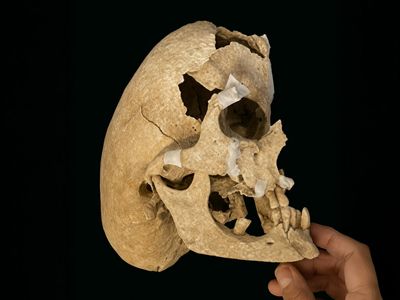


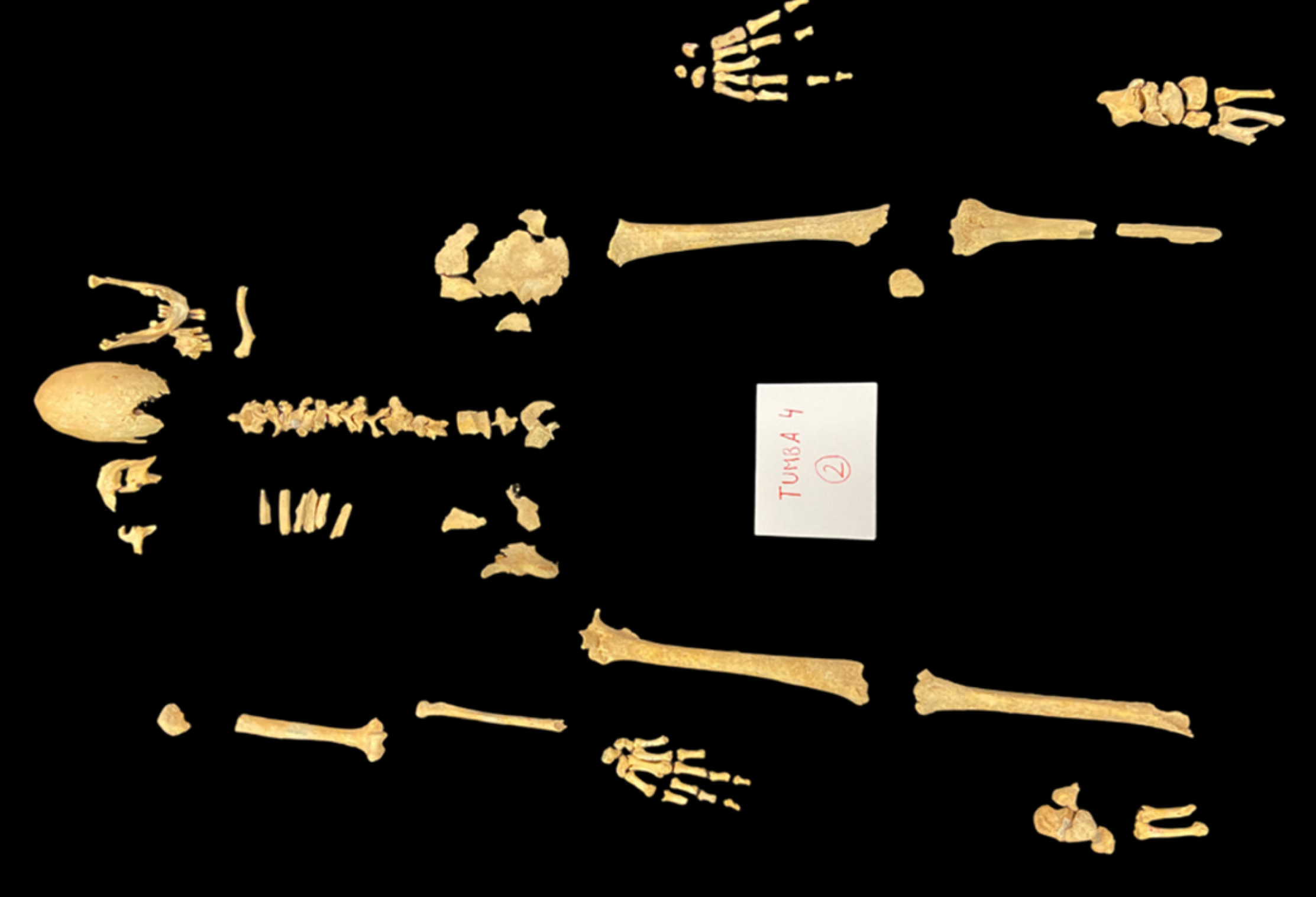
Archaeologists in Spain have discovered unusual skeletal remains belonging to a knight from the Order of Calatrava – one of the first military religious orders in Spain. While most of the skeleton is unremarkable, the individual’s skull was extraordinarily narrow and elongated. The team has concluded this is an example of someone with Crouzon syndrome, a unique find in archaeology.
“It is the first time we have found a case like this,” Carme Rissech, a researcher in the Department of Basic Medical Sciences at the Universitat Rovira i Virgili, Spain, explained in a statement. “[W]e have identified the remains of infants with this condition but we have never seen it in adults, and even less so in knights; it is something unique and exceptional.”
A characteristic symptom of Crouzon syndrome is craniosynostosis, a rare condition where an infant’s skull doesn't grow properly and develops into an unusual shape. Today, this condition can be treated with surgery, but that would have been unthinkable during the medieval period.
The skull, which is 23 centimeters (9 inches) long by 12 centimeters (4.7 inches) wide, belonged to a man who, according to Rissech, probably died at around the age of 50. She and her colleagues determined this based on a morphological study of his remains, which can be used to not only estimate a person’s age at the time of their death, but also their lifestyle and even profession.
In this instance, she concluded that this individual died between the 12th and 15th centuries and was “most likely” a member of the Order of Calatrava – a medieval military-religious order founded in Castile, Spain, during the 12th century. Like the more famous Knights Templar, the Order of Calatrava was tasked with waging a perpetual war against Muslims in Spain.
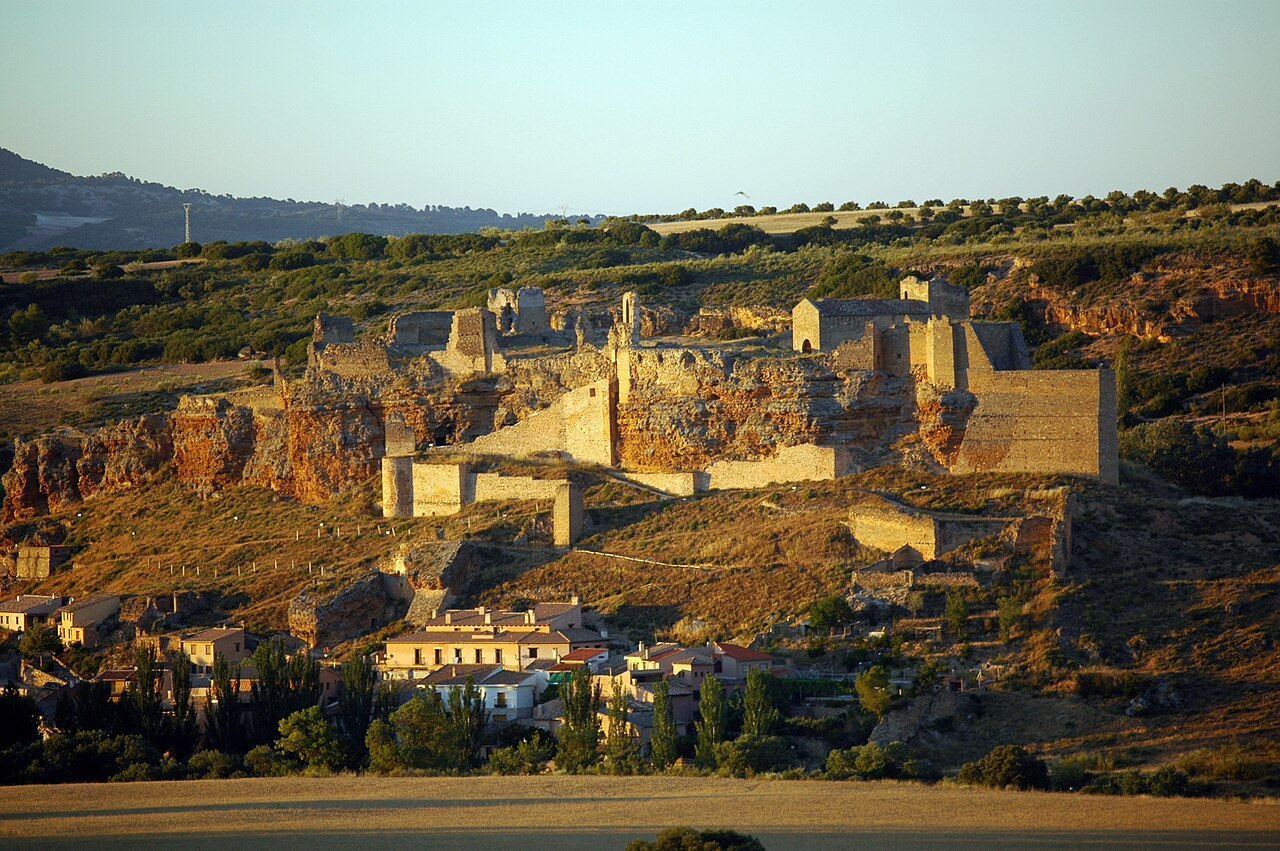
In 1174, Alfonso VIII of Castile ceded the castle of Zorita de los Canes in Guadalajara to the order so it could protect the border. It was within the remains of this castle that archaeologists discovered the knight with Crouzon syndrome.
But how does Rissech know he was a knight?
“The insertion marks of the deltoid and biceps muscles on the right arm are identical to those found on the bones of other knights”, she explained.
This is also consistent with other signs that suggest he rode horses regularly. For instance, there was increased roughness of the linea aspera, which is located on the front of the femur, as well as sharper edges on the acetabulum – the deep, cup-shaped socket where the femur meets the pelvis.
But the most significant indicators of this man’s knightly status are the lesions on his skeleton. There is a penetrating wound to the temple at the point where the sphenoid, frontal, temporal and parietal bones meet, as well as another penetrating wound at the nape of his neck. The man also has a large contusion on the left tibia that shows concentric fractures.
"These are very common injuries in the remains of medieval warriors killed in battle, and they are different from those found in individuals who died during sieges," said Rissech. "The former may be found in various parts of the body, whereas the latter usually only affect the skull."
"In the case of this individual, the injuries occurred when the bone was fresh and they show no signs of healing, which leads us to believe that they most likely caused his death.”
In order to diagnose what exactly caused the man’s craniosynostosis, Rissech and colleagues carried out a differential diagnosis – a process whereby a list of possible conditions are systematically eliminated by further tests, questioning or exams until only one that is compatible with the evidence.
In this instance, they were able to rule out syndromes that cause developmental differences in other parts of the skeleton or lead to shortened life expectancy, which brought them to one answer: Crouzon syndrome.
“In most cases, Crouzon syndrome does not involve serious cognitive impairments and does not affect life expectancy,” Rissech explained.
As part of the Order of Calatrava, this knight would have been a functional member of the community, helping to contribute to their daily life. However, he may have needed help with certain tasks, such as eating. This, the team believe, is evidenced by his significantly damaged jaw area, which probably prevented him from moving it much. There is also the amount of dental plaque that built up, which may be related to the lack of teeth present on the right side of his mouth.
But despite all these signs of hardship, the man was apparently able to ride a horse and wield a sword, and, when it came time to join battle, it looks like he did so beside his brothers.
The paper is published in Heritage.