Humans
 PUBLISHED
 1
1


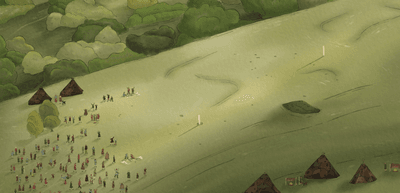


In a major new discovery, archaeologists have uncovered a 5,000-year-old "prototype" of Stonehenge that was aligned to the solar solstices and hosted mass festivities dedicated to the glorious sun.
The new site was discovered during construction work in Bulford, Wiltshire, just 5 kilometers (3.1 miles) from Stonehenge on Salisbury Plain.
The star find is two deep pits around 120 meters (393 feet) apart that are now slap bang in the middle of a housing estate. One of them sits in a small field visible on Google Earth, while the other is now "probably under somebody's front room," Phil Harding, an archaeologist at Wessex Archaeology who led the excavations, told reporters at a press conference.
Originally, however, the deep and narrow pits would have held two 4-meter (13-foot) wooden posts positioned to form a line pointing directly at the rising Sun during the summer solstice and the setting Sun during the winter solstice.
It was essentially a simplified version of what Stonehenge does, but radiocarbon dating suggests the new site was in use around 2950 BCE. While the multi-stage construction of Stonehenge had just begun at this time, the solar alignment of stones wasn't a feature at the site until 500 years after this date.
That being so, the archaeologists believe the site in Bulford served as an early "prototype" of Stonehenge.
“This discovery is probably one of the greatest finds of my career and what makes it so important is just how early it is,” Harding said in a statement sent to IFLScience.
“Up till now, our knowledge of this ancient feat of astronomy was based on Stonehenge and other monuments of a similar period, but what we’ve discovered at Bulford is 500 years earlier than the famous stones we know so well. It makes me incredibly proud to be an archaeologist,” he continued.
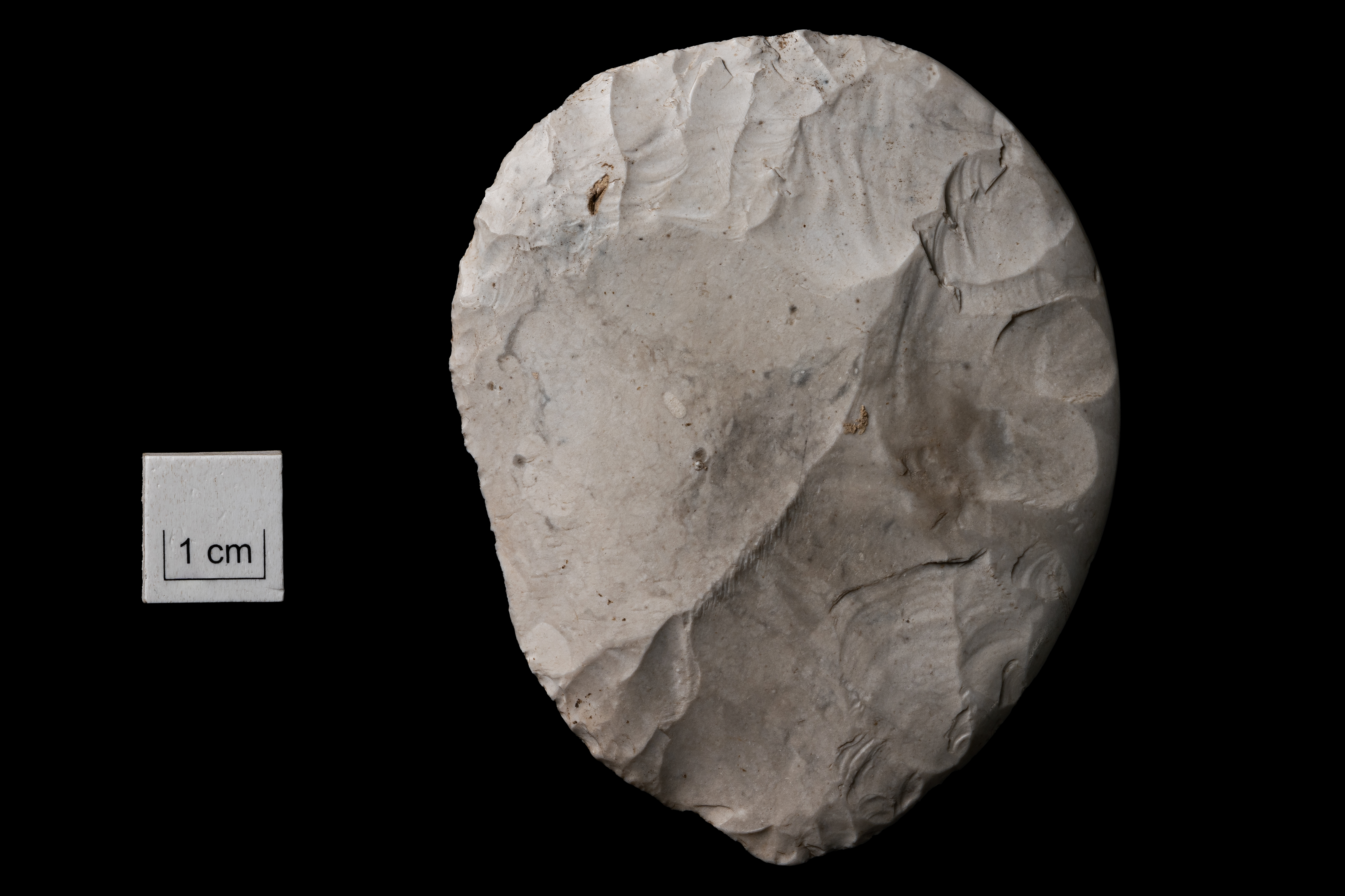
Along with the two main pits, the team excavated 48 smaller pits containing artifacts including pottery shards, animal bone, worked flints, charcoal, and other traces of human activity. One pit, believed to have been a "viewing station," even contained a disk-shaped knife the team interprets as a symbolic reference to the sun.
Altogether, the finds suggest the site was a gathering place for festivities and Sun worship attended by dozens, perhaps hundreds, of people at a time.
“When we talk about the solstice, we’re talking about religion. About how prehistoric peoples understood the cosmos, the world, and their place in it,” said Dr Matt Leivers, Senior Research Manager at Wessex Archaeology.
“What we see at Bulford, and later at Stonehenge, is a way of celebrating and marking the passage of time, but it’s also about making sure the world keeps working as it should. It’s likely their way of saying to their deities, please keep us in mind, keep us warm and safe. It’s a religious event. That’s why it’s so important.”
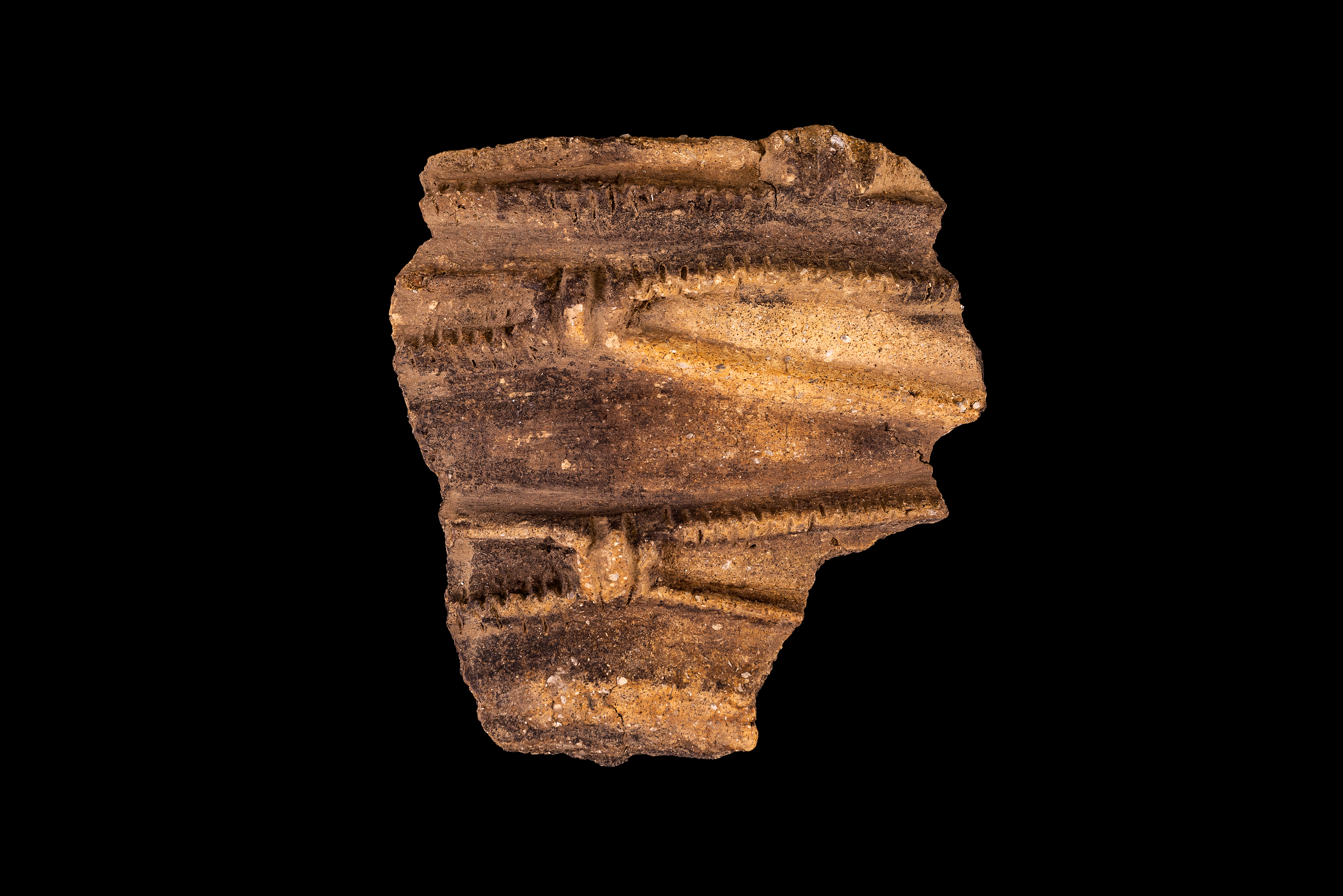
Perhaps most mind-blowing of all, some of the pottery found at Bulford is practically indistinguishable from pieces being made at the same time in Orkney, a jagged archipelago off the north coast of Scotland, at the opposite end of the British Isles.
This isn't the only thread linking Stonehenge to far-flung Scotland. Stonehenge's 6-tonne Altar Stone has been traced not to Wales, as long assumed, but to the Orcadian Basin in northeast Scotland
The connection raises a tantalizing question about what linked these people from two distant lands many millennia ago.