


 Nature
 PUBLISHED




Genetic bottlenecks – when a population gets really small and ends up with low genetic diversity – are one of the most insidious threats facing endangered species. Reduced diversity persists even as populations grow back up to size, leaving them vulnerable to reproductive failure, the spread of disease, and climate change. Rebuilding sustainable populations means rebuilding genetic diversity, but if it’s already been lost, where can we find it?
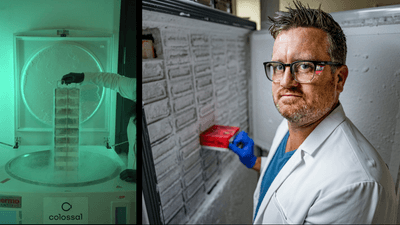
That’s the challenge the US Fish and Wildlife Service and de-extinction company Colossal Biosciences are setting out to tackle. Their goal? To preserve the genetic material of 2,300 threatened and endangered species protected under the Endangered Species Act (ESA) before it's too late. The collaboration forms part of Colossal’s BioVault network and – once completed – would mark one of the most comprehensive cryopreserved biodiversity repositories ever established.
Right now, we have the opportunity to capture genetic diversity from populations that still have it, before the bottlenecks deepen, before the options narrow.
Matt James
“Just as the Svalbard Global Seed Vault was created to preserve the genetic diversity of our food supply, this partnership aims to preserve the genetic diversity of life itself," said Ben Lamm, CEO and co-founder of Colossal Biosciences, in a release emailed to IFLScience. "Every species is a library of evolutionary innovation millions of years in the making. Once lost, that knowledge disappears forever.”
Colossal’s Chief Animal Officer Matt James describes the move as “potentially transformative” in shaping our capacity to restore endangered species' populations. While we don’t yet have all the tech and tools needed to reverse genetic bottlenecks, building this kind of library buys the scientists of today (and the future) time to figure it out.
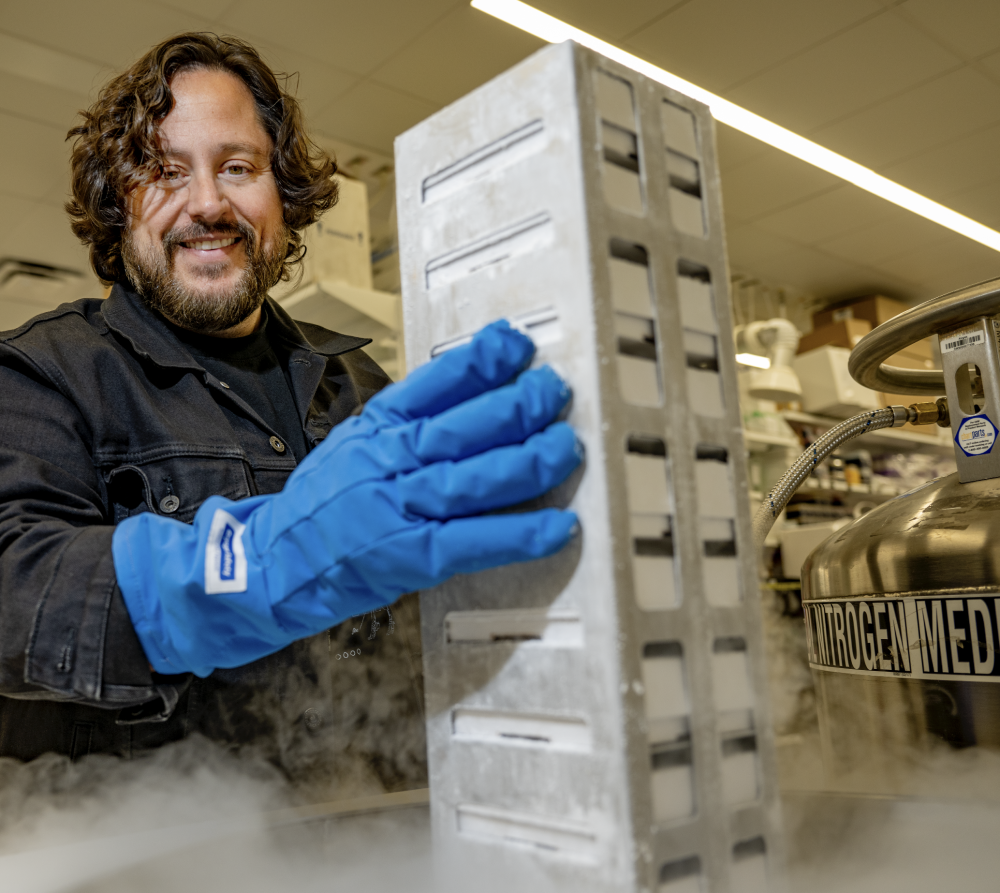
“What the Colossal BioVault changes is the timeline,” James told IFLScience. “Right now, we have the opportunity to capture genetic diversity from populations that still have it, before the bottlenecks deepen, before the options narrow.”
“That material becomes the raw resource future scientists and wildlife managers can use to actively reverse the damage. Introducing preserved genetic material back into a struggling population can restore diversity, improve reproductive fitness, and give a species the adaptive range it needs to respond to new threats.”
We're banking material now so that when the tools catch up, the biology is there to work with.
Matt James
Once gathered, the genomic data from each specimen biobanked in Colossal’s BioVault network will be entered into open-access public repositories, reference genomes, population-level sequence data, and bioinformatic tools freely available to researchers and wildlife managers around the world. The information could be used to supercharge traditional conservation efforts.
"As biodiversity faces increasing pressures worldwide, we must continue to evaluate and apply the best available science to conserve America's natural heritage," said US Fish and Wildlife Service Director Brian Nesvik in a release. "This collaboration will help advance our understanding of how biobanking and genomics can complement existing conservation tools and contribute to the recovery and long-term resilience of imperiled species."
Future geneticists will have options that simply wouldn't exist if we waited.
Matt James
Biobanked samples can reveal which individuals and populations would be most beneficial to connect to avoid inbreeding, which can further degrade a population’s genetic fitness. It can also highlight areas and species within which genetic bottlenecks are reaching crisis points where it may be time to intervene more directly.
We might still be working on what those interventions look like, but in the meantime, biobanking is a tried and tested method for building a precious library documenting some of the rarest life on Earth.
“The science to fully utilize everything we're preserving today is still developing, and that's actually part of the point,” said James. “We're banking material now so that when the tools catch up, the biology is there to work with. Future geneticists will have options that simply wouldn't exist if we waited. Every sample we preserve today is a decision we're making on behalf of scientists and species decades from now.”

 1
1