Nature
 PUBLISHED




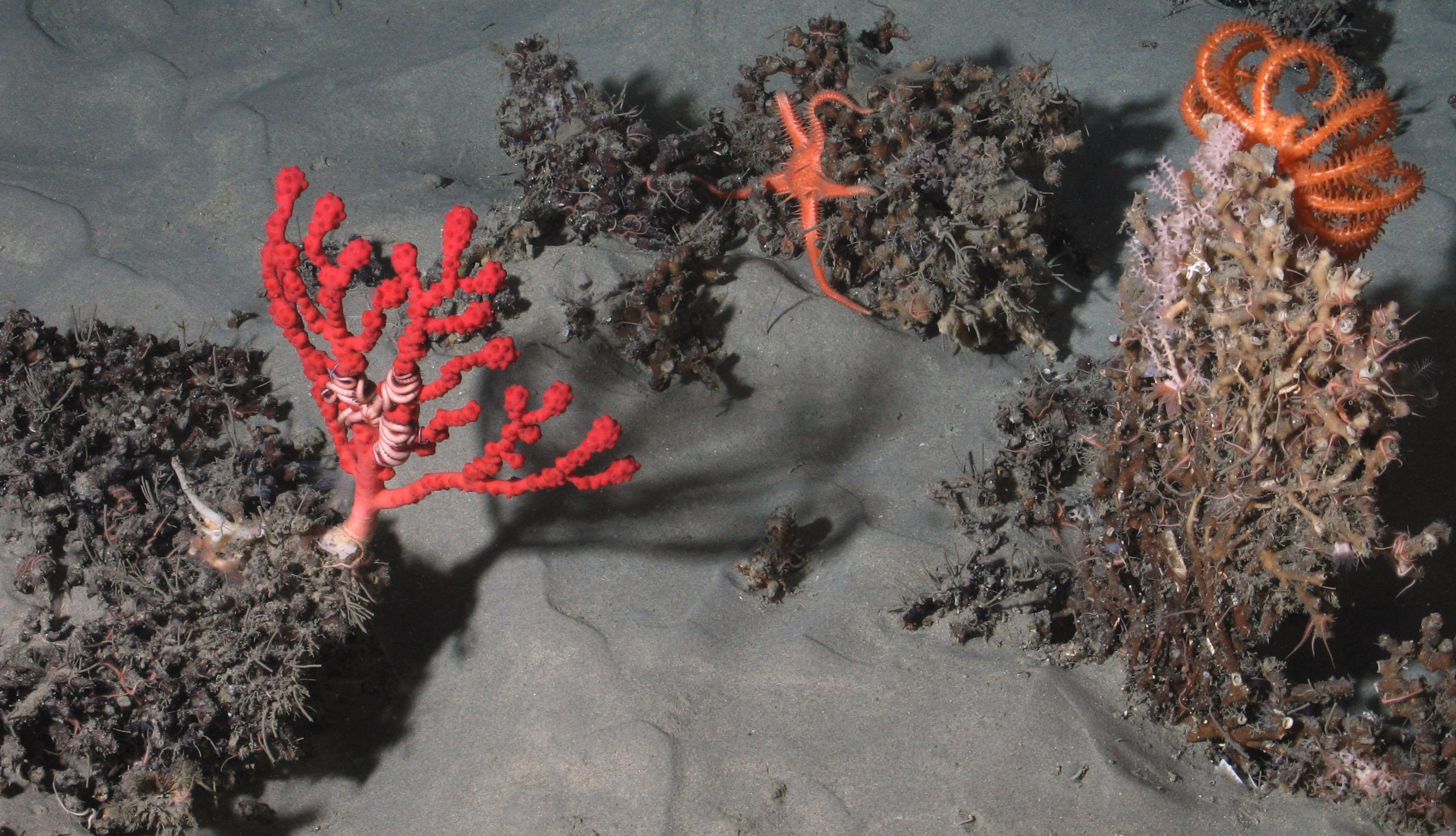
After scouring the depths of the Atlantic Ocean for years, scientists have discovered at least 12 new deep-sea species that were previously unknown to science. Their discoveries highlight how much of our planet’s oceans are still uncharted territories, yet are not immune to climate change and environmental pressures.
The new finds come from the ATLAS project, an international effort to better understand the deep-water ecosystems of the North Atlantic Ocean. Through 45 research expeditions involving 80 scientists and student volunteers over the past four years, the researchers have now revealed a handful of their discoveries, including new species and fresh insights into this otherworldly ecosystem.
Among the 12 new species, there are a host of sea mosses, mollusks, and deep-sea corals. New imagery also reveals a rich array of unusual sea life, including fish and crustaceans, that wouldn’t look out of place in a sci-fi movie.
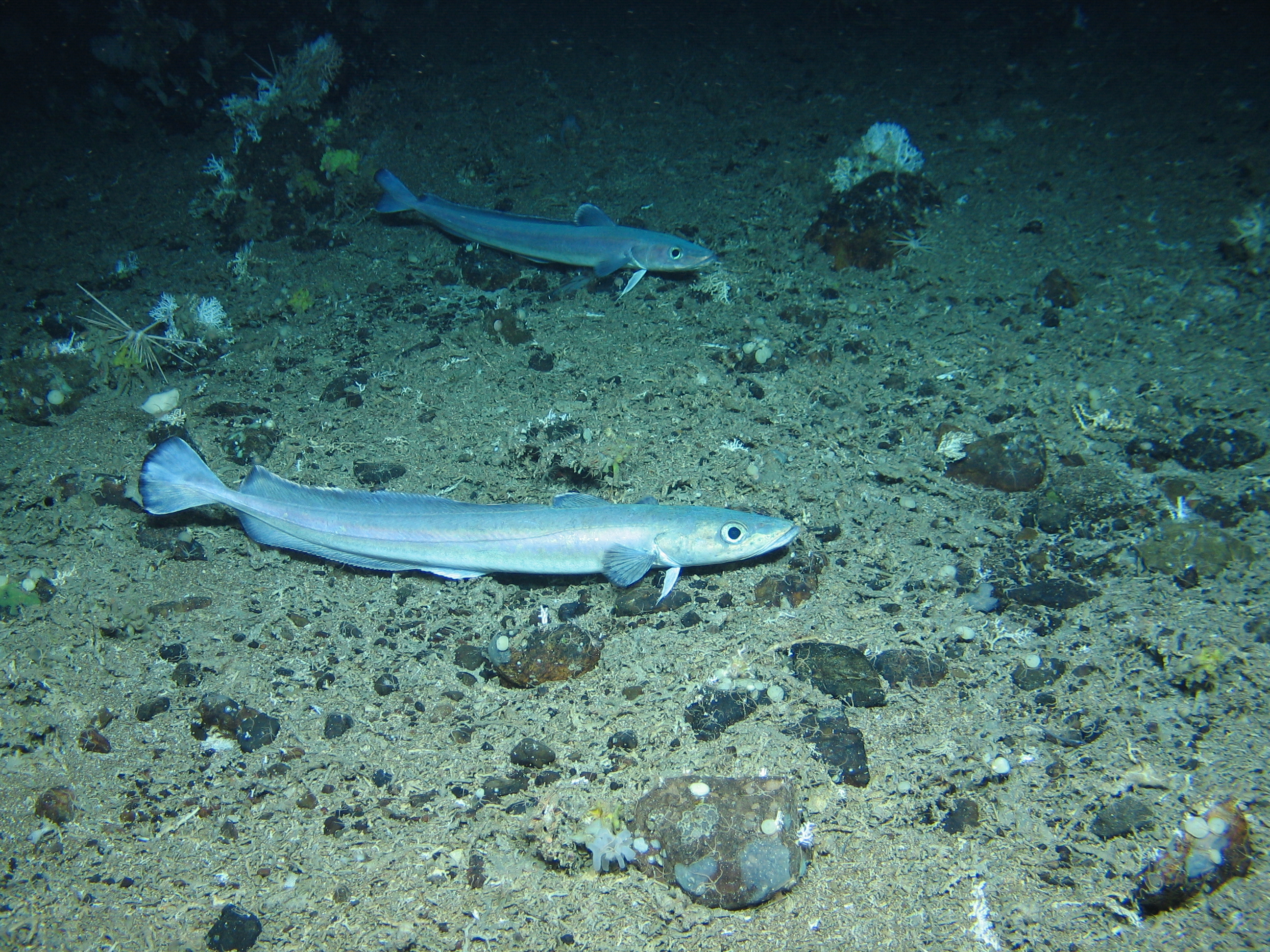
It was once hoped that the deep-sea ecosystems would be protected, to some extent, from much of the effects of climate change. However, recent research is showing that even the deep oceans are not immune to warming sea temperatures. While surface water is warming at a significantly faster rate, the ocean deep is starting to feel the burn, and the creatures that dwell there are likely to soon experience some dramatic changes.
“Everyone knows how important it is to look after tropical rainforests and other precious habitats on land, but few realise there are just as many, if not more, special places in the ocean,” Professor J Murray Roberts, co-ordinator of the ATLAS project from the University of Edinburgh’s School of GeoSciences, said in a statement.
“In ATLAS we've studied most vulnerable ecosystems in the deep Atlantic and we now understand how important, interconnected, and fragile they really are.”
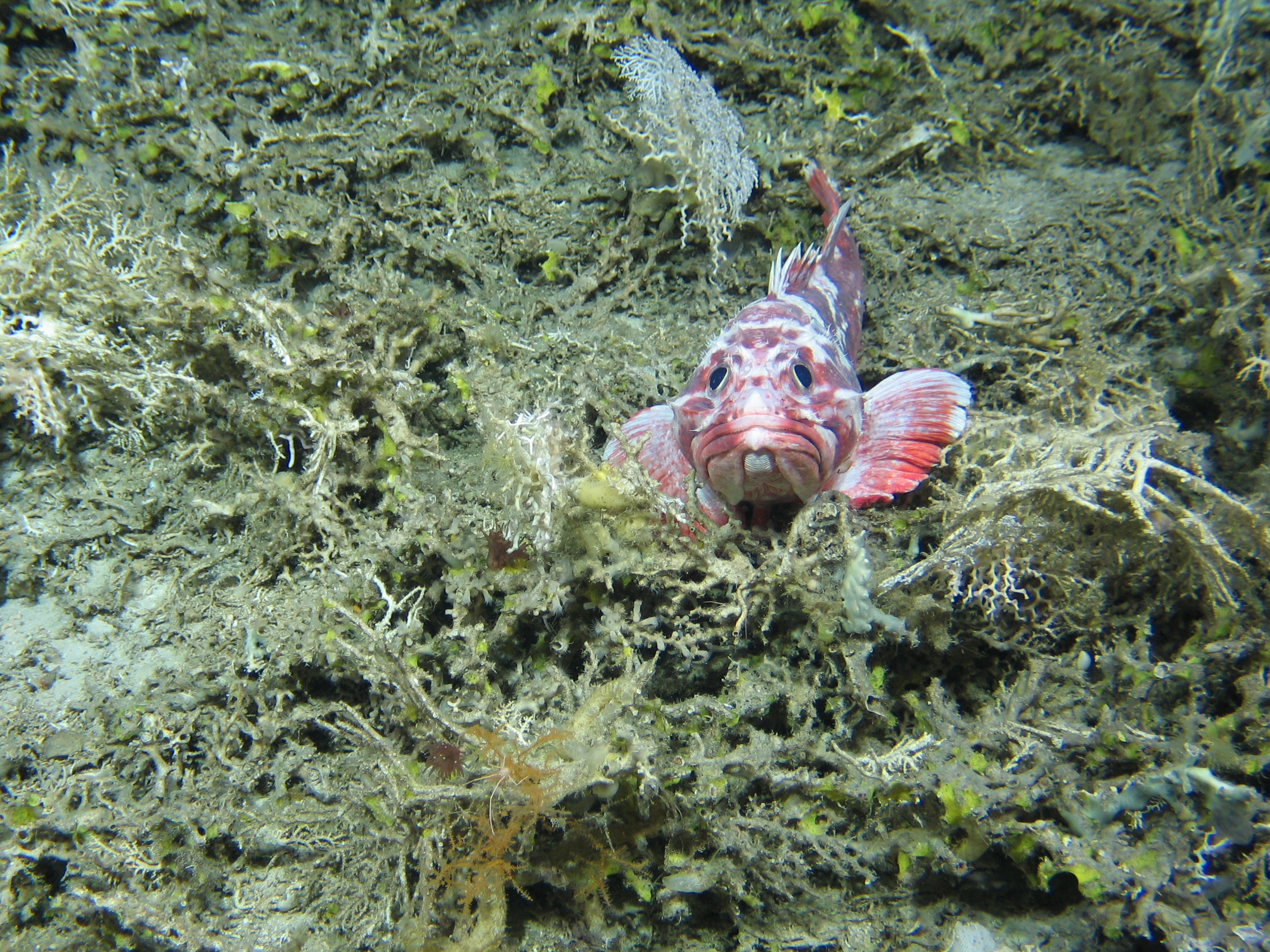
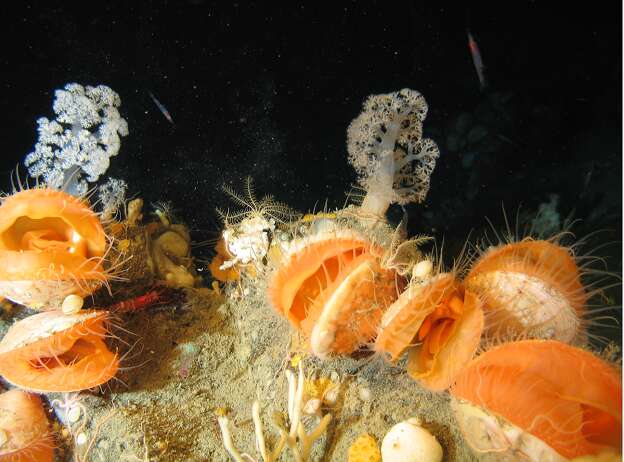
Climate change isn’t the only force threatening the deep oceans. Human activity, such as deep-sea mining and fossil fuel extraction, is also becoming an increasing strain on these ecosystems. The effects of these disturbances to the seabed can often linger for decades and have a knock-on effect throughout the wider ecosystem.
One recent study of the deep sea in the Pacific Ocean, some 4,000 meters (2.5 miles) below sea level in the Peru Basin, found that deep-sea mining activity can have a profound effect on the bacterial life that helps to support much of all life on the seabed. By their workings, it takes at least 50 years for the microbes to fully resume their normal function after a disturbance from mining.
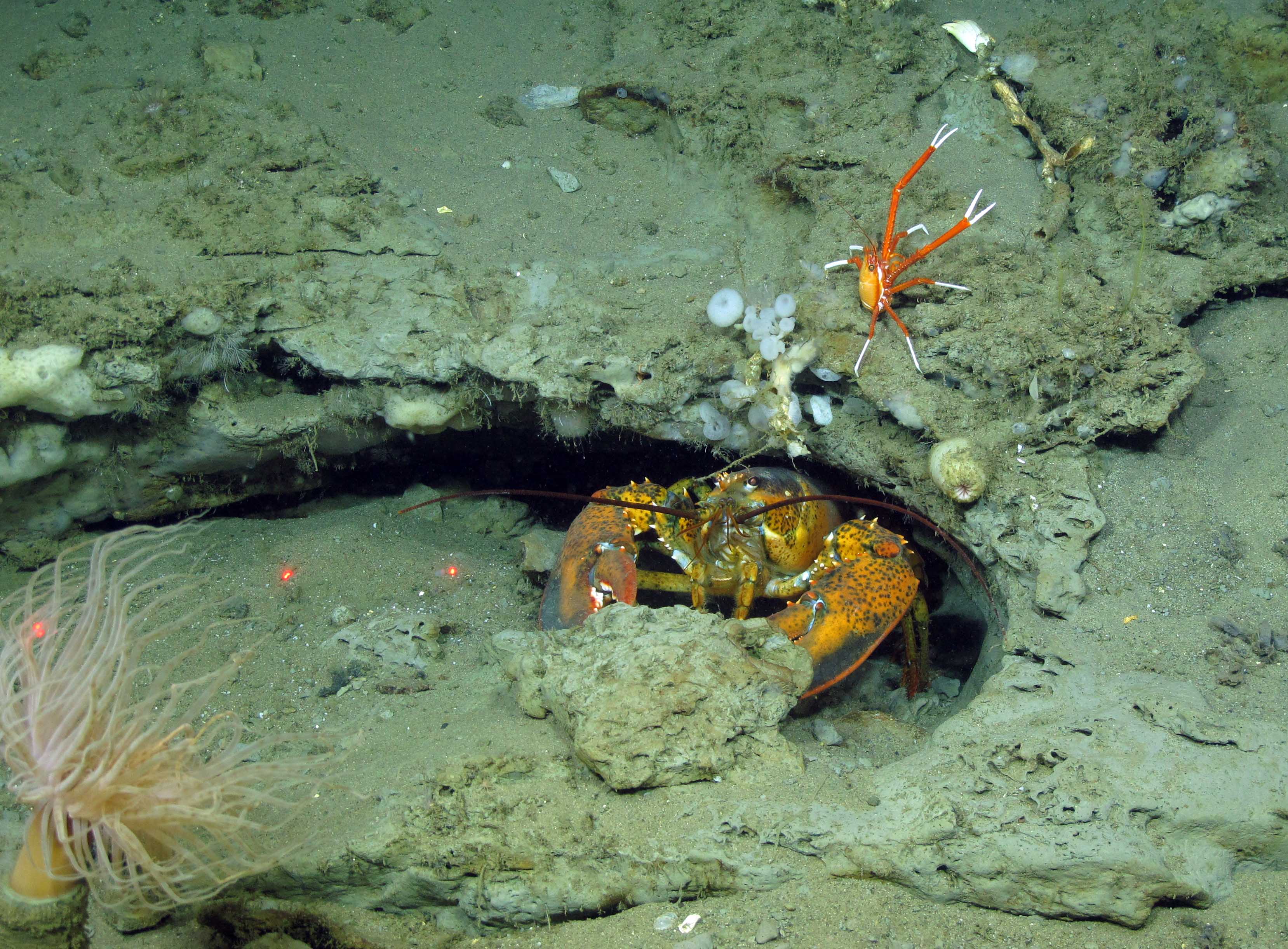
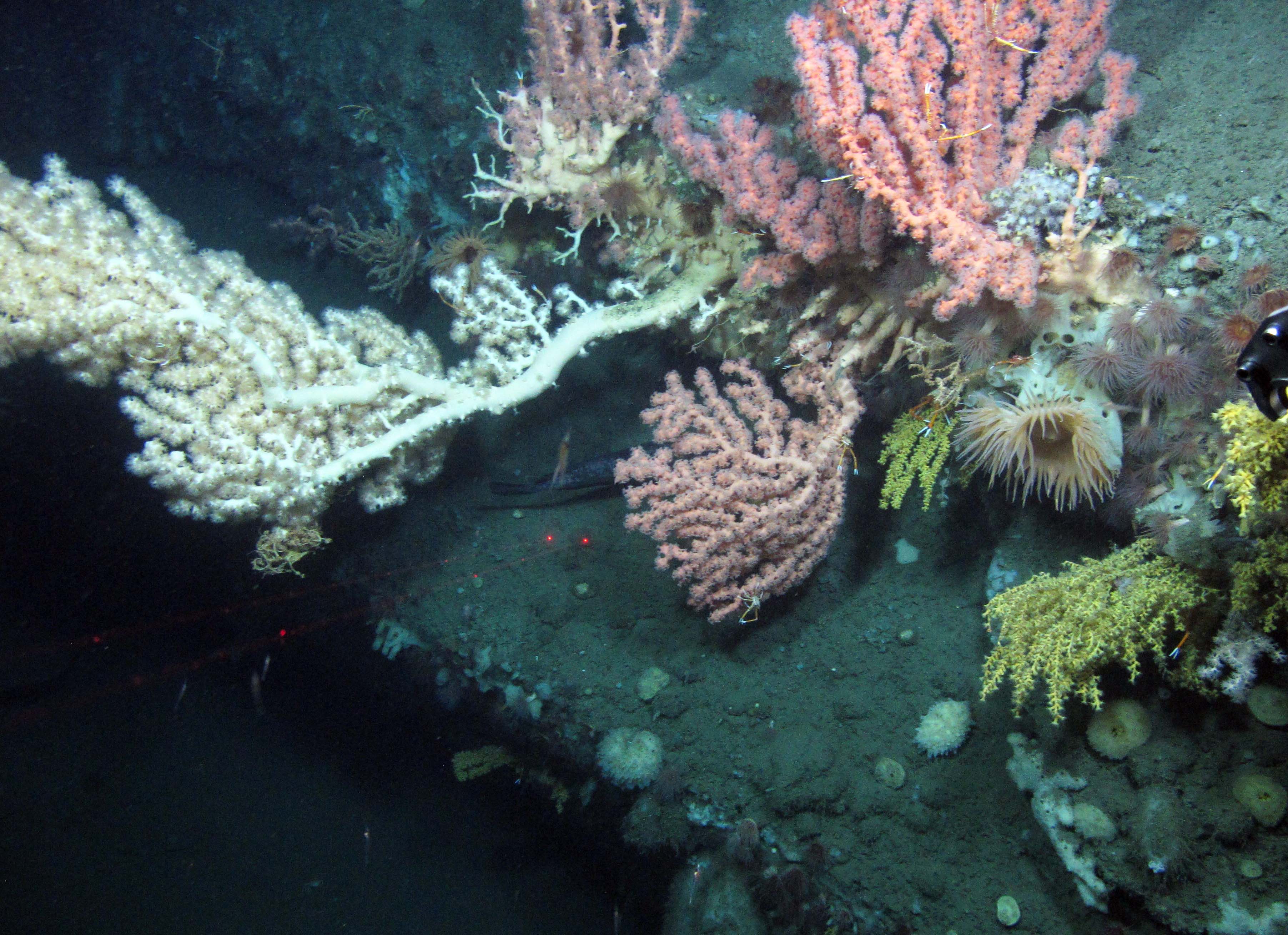
Through this new work by ATLAS, the researchers hope to guide new policy and protections that could help save these little-understood environments before it’s too late.
“The challenge for the next decade will be taking this new scientific and social understanding and using it to create better plans and policies for truly sustainable human activities in the ocean,” said Professor Roberts.