Humans
 PUBLISHED


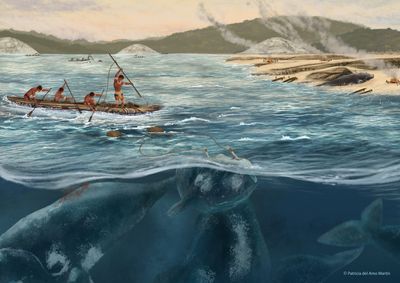


Humans have been hunting whales for much longer than previously realized. Surprisingly, this complex cultural practice did not emerge in the upper portions of the Northern Hemisphere, where there’s a long and ongoing tradition of whaling in icy Arctic waters, but in the warmer, tropical waters off the coast of Brazil.
Researchers at the Autonomous University of Barcelona in Spain have put together a multi-dimensional argument that Indigenous people were heavily invested in whale hunting at least 5,000 years ago, pushing back the known history of whaling by more than a millennium.
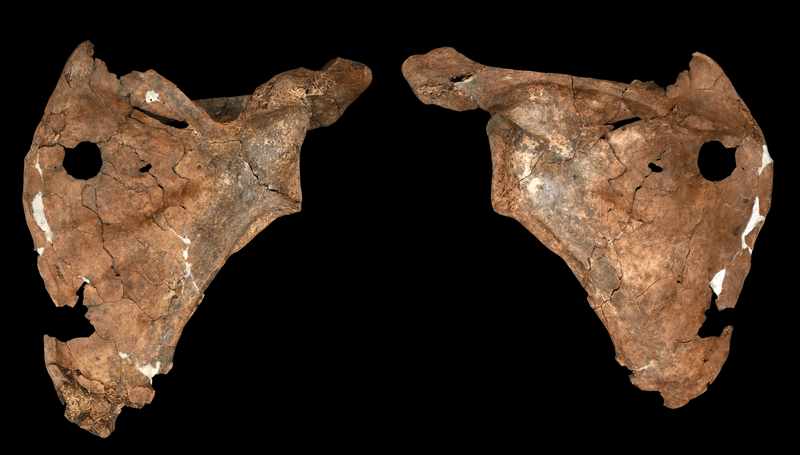
Their work focuses on the region of Babitonga Bay in southern Brazil, where the remains of bones and artifacts show that Sambaqui people were hunting whales and dolphins in coastal waters. Across several sites, the team identified over 100 skeletal remains of cetaceans, including southern right whales, humpback whales, blue whales, sei whales, sperm whales, and dolphins.
Many of these bones had cut marks on them, indicating they were hacked up and butchered by humans. Others were found buried in graves alongside the bodies of the deceased, which could imply they held a strong value in the culture.
Archeologists have previously hinted that prehistoric whaling was a trend in South America, but they lacked the smoking gun. The new paper explains: “The absence of specialised harpoon technology, as well as the lack of hunting marks, has led to a general perception that whales were not intensively exploited, but rather used opportunistically when stranded.”
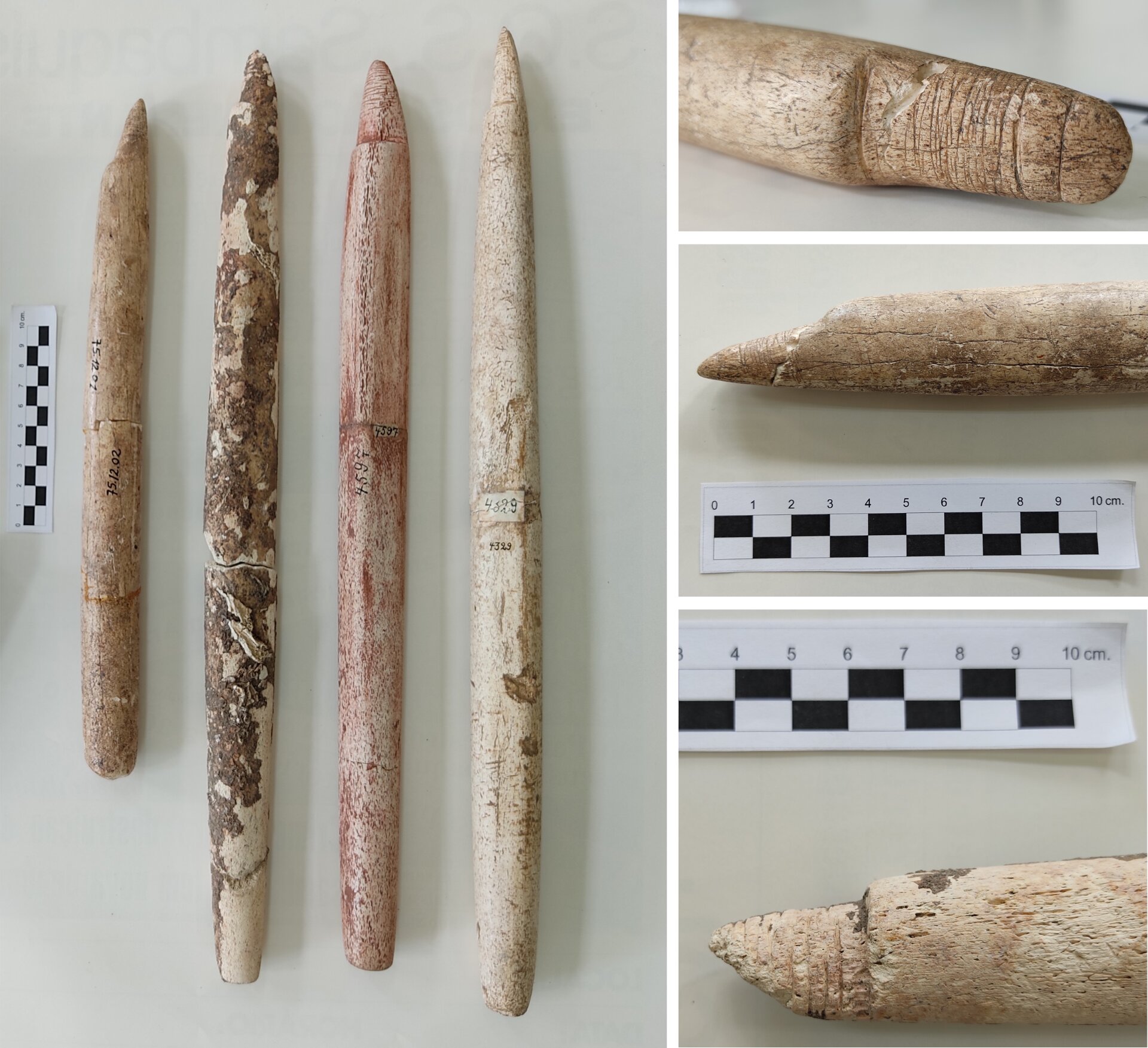
Now, however, the researchers have identified a significant amount of whale-bone harpoons found along the coast of southern Brazil, one as old as 5,000 years.
“The data reveals that these communities had the knowledge, tools, and specialized strategies to hunt large whales thousands of years earlier than we had previously assumed,” Krista McGrath, lead author of the study from the Autonomous University of Barcelona, said in a statement.
“This research opens a new perspective on the social organization of the Sambaqui peoples. It represents a paradigm shift – we can now view these groups not only as shellfish collectors and fishers, but also as whalers,” explained André Colonese, senior author of the study.
Beyond rewriting human history, the whale bones tell an ecological story as well. The abundance of humpback whale remains suggests that their historical range once extended much farther south than their modern breeding grounds off the Brazilian coast.
“The recent increase in sightings in Southern Brazil may therefore reflect a historical recolonization process, with implications for conservation. Reconstructing whale distributions before the impact of industrial whaling is essential to understanding their recovery dynamics,” commented Marta Cremer, co-author of the paper.
This echoes conclusions from research in 2024 that suggested whales may live for many years longer than we know but until the full impacts of the industrial whaling industry are no longer felt, we may have to wait a long time to know.
The new study is published in the journal Nature Communications.