Health and Medicine
 PUBLISHED
 2
2




We all know that third-cup-of-coffee feeling on a Monday morning. Just when you're right in the groove of work and – oh, brb.
As any avid coffee drinker knows, the world’s most popular beverage has a tendency to make us poop. But why remains somewhat of a mystery. According to a new study presented at Digestive Disease Week, it has less to do with caffeine content and more about the effects of coffee itself. Coffee’s ability to help us with a bowel movement may come from its relationship with gut microbiota and its ability to influence smooth muscle contractility, two things that help us poop on the regular. At least, that’s the case in rats.
"When rats were treated with coffee for three days, the ability of the muscles in the small intestine to contract appeared to increase," said lead author Xuan-Zheng Shi, from the University of Texas Medical Branch, in a statement. "Interestingly, these effects are caffeine-independent, because caffeine-free coffee had similar effects as regular coffee."
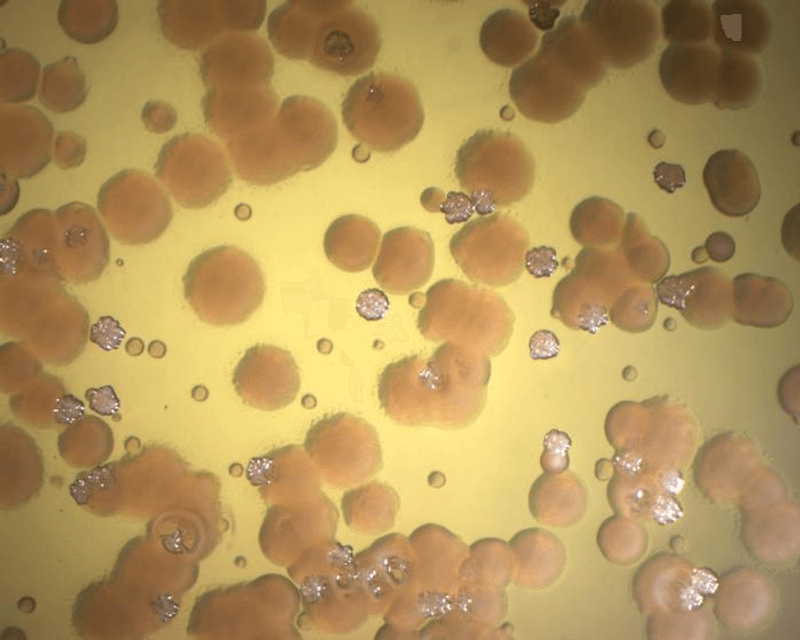
To come to their conclusion, researchers dissolved 100 percent Arabica coffee powder in hot water and exposed it to rat poop placed it in Petri dishes. When exposed to 1.5 percent coffee, they found the growth of bacteria and other microbes in the fecal matter were suppressed. That growth was even lower with a 3 percent solution. Although the overall bacteria count was lower after being fed coffee for three days, it remains unclear whether these changes were to "good" or "bad" bacteria. In a separate study, coffee ingestion was shown to help rats better contract muscles in their lower intestines and colon – two key functions for healthy poops.
Interestingly, decaffeinated coffee had a similar effect, leading researchers to believe that the caffeine level has little to do with helping us bust a move.
The researchers note that their findings may indicate coffee could be a good alternative for treating constipation following surgery, specifically ileus, a condition where the intestines stop working, particularly after abdominal surgery. A 2012 study found that patients who had recently experienced colon surgery were sooner able to return to normal bowel function if they drank coffee instead of water, and a number of other studies have pointed to its wide-range of health benefits, from improved liver function to supporting a longer life. But there are a number of negative health impacts to consider as well, including insomnia, nervousness, irritability, and even an increased risk of low birth weight in pregnant women who drink caffeine.
Of course, the study was conducted in rats and the researchers are quick to advise that further research is needed in order to determine whether the same effects are true for humans.